 19 citations
,
February 2016 in “Journal of The American Academy of Dermatology”
19 citations
,
February 2016 in “Journal of The American Academy of Dermatology” CD3+ T-cell presence is a reliable marker to tell apart alopecia areata from pattern hair loss.
 January 2023 in “Voennaâ medicina”
 Hair loss in women can improve with iron and vitamin supplements if caused by iron deficiency.
 24 citations
,
January 2012 in “Indian Journal of Dermatology, Venereology and Leprology”
24 citations
,
January 2012 in “Indian Journal of Dermatology, Venereology and Leprology” Diffuse alopecia areata involves more inflammation and higher allergy-related antibodies than patchy types.
 January 2015 in “Indian Dermatology Online Journal”
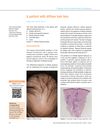
 The patient's hair loss is most likely due to diffuse alopecia areata.
Patient history is key in diagnosing hair loss types.
 29 citations
,
January 2003 in “Dermatology”
29 citations
,
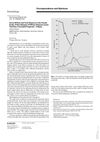
January 2003 in “Dermatology” The condition called 'acute diffuse and total alopecia of the female scalp' is actually a known condition named alopecia areata incognita.
 23 citations
,
September 2019 in “Dermatology practical & conceptual”
23 citations
,
September 2019 in “Dermatology practical & conceptual” The study concluded that AAI and DAA are forms of the same disease, with different symptoms in men and women, and that corticosteroid treatment is effective.
 8 citations
,
January 2015 in “International journal of trichology”
8 citations
,
January 2015 in “International journal of trichology” A woman's total hair loss was linked to a Borrelia infection and was reversed with appropriate treatment.
1 citations
,
May 2025 in “The Journal of Dermatology” Increased regulatory T cell activity may lead to better outcomes in acute diffuse and total alopecia.
 3 citations
,
June 2023 in “Medicines”
3 citations
,
June 2023 in “Medicines” Some antiseizure medications can cause reversible hair loss, with valproate, lamotrigine, and carbamazepine being the most common.
 29 citations
,
October 2012 in “Anais Brasileiros De Dermatologia”
29 citations
,
October 2012 in “Anais Brasileiros De Dermatologia” Diagnosing hair loss disorders needs clinical, dermoscopic, and histological differences, and checking menstrual cycle, weight changes, drug therapy, and nail changes.
 March 2017 in “The American Journal of Cosmetic Surgery”
 Transplanted hair follicles can resist hair loss from an autoimmune condition better than natural hair.
 1 citations
,
January 2010 in “Türkiye klinikleri tıp bilimleri dergisi”
1 citations
,
January 2010 in “Türkiye klinikleri tıp bilimleri dergisi” A rare case showed hair regrowth after chemotherapy for thymoma, suggesting a link between alopecia areata and thymoma.
 5 citations
,
January 2019 in “Skin appendage disorders”
5 citations
,
January 2019 in “Skin appendage disorders” The conclusion is that it's important to tell apart alopecia areata from lipedematous alopecia for proper treatment, as alopecia areata can be reversed.
Alopecia Areata has no cure, treatments are limited, and the condition often recurs, but new therapies like JAK inhibitors show promise.
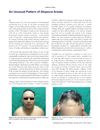 January 2014 in “International Journal of Trichology”
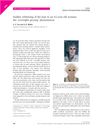
 A man had an unusual type of hair loss that didn't match known patterns and didn't improve with treatment.
 8 citations
,
May 2012 in “Clinical and Experimental Dermatology”
8 citations
,
May 2012 in “Clinical and Experimental Dermatology” An 82-year-old woman's hair turned white suddenly, likely due to a rare form of alopecia that targets pigmented hair.
 3 citations
,
January 2020 in “Annals of Dermatology”
3 citations
,
January 2020 in “Annals of Dermatology” More atypical club hairs may indicate Telogen Effluvium.
 2 citations
,
July 2017 in “Skin appendage disorders”
2 citations
,
July 2017 in “Skin appendage disorders” Alfredo Rebora suggests a simpler classification for hair loss and a new test for easier diagnosis.
 September 2021 in “CRC Press eBooks”
 Alopecia areata incognita causes sudden hair thinning, responds well to steroids, and is more common in those with genetic hair loss conditions.
 23 citations
,
August 2018 in “Anais Brasileiros De Dermatologia”
23 citations
,
August 2018 in “Anais Brasileiros De Dermatologia” Both androgenetic alopecia and alopecia areata negatively impact quality of life, with no significant difference between them.
 19 citations
,
January 2011 in “Clinics”
19 citations
,
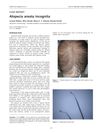
January 2011 in “Clinics” A young woman with a rare hair loss condition improved with steroid and biotin treatment.
2 citations
,
January 2022 in “Annals of Dermatology” Treatment type and patch size affect hair regrowth patterns in alopecia areata.
 April 2024 in “Clinical dermatology review (Print)”
 Most women aged 20-40 in the study lost hair diffusely and in volume over 6 weeks to 6 months, mainly due to telogen effluvium, often without a clear cause.
 May 2009 in “Endocrinologist”
 Women with thyroid disease are more likely to experience female pattern hair loss, especially if they've had thyroid disease for a long time.
Androgenetic alopecia is common in younger adults, especially with a family history.
 January 2023 in “Przegla̧d dermatologiczny”
 There are two main types of alopecia areata with different severity, and diagnosis is made through clinical examination and trichoscopy, influencing treatment choices.
 February 2017 in “International Journal of Research in Dermatology”
 A six-year-old girl unusually had a hair loss condition common in middle-aged women.
 7 citations
,
August 2013 in “Journal of the European Academy of Dermatology and Venereology”
7 citations
,
August 2013 in “Journal of the European Academy of Dermatology and Venereology” Less than a quarter of alopecia areata cases were unusual forms or had paradoxical regrowth.
 February 2026 in “Journal of the American Academy of Dermatology”
 Ophiasis mainly affects females, lasts longer, and has lower regrowth rates, with a new classification system helping predict treatment response.