 1 citations
,
May 1965 in “Medical Clinics of North America”
1 citations
,
May 1965 in “Medical Clinics of North America” Hair growth dysfunction involves various conditions with limited treatment options.
 October 2022 in “JAAD case reports”
 A man with itchy skin lesions and weight loss was diagnosed with a rare skin condition linked to a pancreatic tumor.
 6 citations
,
April 2015 in “Infection”
6 citations
,
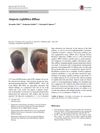
April 2015 in “Infection” Treatment with benzylpenicillin and prednisolone cured the patient's syphilis and hair loss.
 May 2023 in “Elsevier eBooks”
 The book teaches modern, non-invasive hair restoration techniques for common hair loss.
 January 2021 in “Our Dermatology Online”
 A young man's hair loss was the only sign of syphilis, which improved after treatment.
 3 citations
,
July 2013 in “Journal of Cutaneous Pathology”
3 citations
,
July 2013 in “Journal of Cutaneous Pathology” A woman's hair loss, resembling an autoimmune condition, improved after treatment, but requires ongoing checks due to potential serious associations.
 July 2023 in “Zenodo (CERN European Organization for Nuclear Research)”
 COVID-19 can cause temporary hair loss in some patients, affecting their quality of life.
March 2023 in “Medico Research Chronicles” Omega-3 fatty acids may help manage hair loss in middle-aged women.
 September 2021 in “CRC Press eBooks”
 Lupus can cause a type of hair loss that doesn't scar, due to inflammation.
 December 2016 in “Journal of evolution of medical and dental sciences”
 Skin problems are common in thyroid disorders, with dry skin in hypothyroidism and warm, soft skin in hyperthyroidism.

Some blood thinners and blood pressure medicines can cause hair loss, which usually starts 1 to 6 months after beginning the medication.
 November 2010 in “Journal of The American Academy of Dermatology”
 The issue concluded that various skin conditions have different effective treatments and factors influencing them.
 29 citations
,
January 2019 in “Journal of the European Academy of Dermatology and Venereology”
29 citations
,
January 2019 in “Journal of the European Academy of Dermatology and Venereology” Trichoscopy is useful for diagnosing and monitoring systemic lupus erythematosus, with certain hair and scalp changes indicating more active disease.
 5 citations
,
March 2004 in “Journal of The American Academy of Dermatology”
5 citations
,
March 2004 in “Journal of The American Academy of Dermatology” Patients with systemic lupus erythematosus and hair loss had non-scarring alopecia with fewer hair follicles, and direct immunofluorescence did not help identify lupus.
 March 2004 in “Journal of The American Academy of Dermatology”
 Patients with systemic lupus erythematosus and hair loss had fewer hair follicles and non-scarring alopecia; direct immunofluorescence was not helpful in diagnosing lupus in these cases.
 March 2004 in “Journal of The American Academy of Dermatology”
 Patients with SLE experienced non-scarring hair loss with fewer hair follicles, and DIF did not help identify lupus.
 13 citations
,
March 1990 in “JAMA”
13 citations
,
March 1990 in “JAMA” Topical eye β-blockers might cause hair loss, which usually gets better after stopping the medication.
 2 citations
,
January 2019 in “Case Reports in Dermatology”
2 citations
,
January 2019 in “Case Reports in Dermatology” A 66-year-old woman's thick scalp and hair loss were confirmed as lipedematous alopecia, a rare condition possibly influenced by genetics, with no effective treatment known.
April 2026 in “Canadian Medical Association Journal” Female pattern hair loss is common and increases with age.
 March 2024 in “Indian Journal of Dermatology”
 The man was diagnosed with Cronkhite-Canada syndrome, a rare disorder with GI polyps, skin issues, hair loss, and nail problems.
 January 2012 in “Iraqi postgraduate Medical Journal”
 Serum ferritin is a better indicator than hemoglobin for detecting low iron in women with chronic hair loss.
 33 citations
,
November 2006 in “Survey of Ophthalmology”
33 citations
,
November 2006 in “Survey of Ophthalmology” Madarosis is the loss of eyelashes and eyebrows due to various health issues and requires thorough examination to diagnose and treat the underlying cause.
 3 citations
,
June 2023 in “Medicines”
3 citations
,
June 2023 in “Medicines” Some antiseizure medications can cause reversible hair loss, with valproate, lamotrigine, and carbamazepine being the most common.
 3 citations
,
November 1999 in “Journal of Cutaneous Medicine and Surgery”
3 citations
,
November 1999 in “Journal of Cutaneous Medicine and Surgery” Examining scalp biopsies in different ways helps better diagnose hair loss types.

The document concludes that severe trauma can cause temporary hair loss, known as Telogen Effluvium, which usually resolves without treatment.

Eye drops with β-blockers may cause hair loss.
 30 citations
,
May 1991 in “Psychosomatics”
30 citations
,
May 1991 in “Psychosomatics” Some psychiatric medications can cause reversible hair loss.
 15 citations
,
February 2017 in “Nursing Clinics of North America”
15 citations
,
February 2017 in “Nursing Clinics of North America” Targeted cancer therapies can cause skin side effects, which should be treated early to help patients' quality of life and treatment adherence.

Hair loss can be caused by hormones, illness, autoimmune disorders, or vitamin deficiencies, and treatments vary depending on the type.
Androgenetic alopecia causes gradual hair thinning due to genetics and hormones, with treatment options including scalp prostheses.