
The document concludes that hair loss in women can be treated with topical treatments or hormone therapy depending on the cause.
 6 citations
,
October 2014 in “PubMed”
6 citations
,
October 2014 in “PubMed” Autoimmune diseases like lupus, dermatomyositis, and scleroderma can cause hair loss and other hair problems, and treatments for these diseases might also affect hair.
 19 citations
,
January 2012 in “Dermato-endocrinology”
19 citations
,
January 2012 in “Dermato-endocrinology” Moderately high prolactin levels do not cause hair loss in women.
 10 citations
,
June 2000 in “Primary Care”
10 citations
,
June 2000 in “Primary Care” The document explains different hair loss types and treatments, emphasizing diagnosis through examination and tests, and specific treatments for each condition.
 February 2026 in “Journal of the American Academy of Dermatology”
 Ophiasis mainly affects females, lasts longer, and has lower regrowth rates, with a new classification system helping predict treatment response.
 1 citations
,
April 2023 in “Biomolecules”
1 citations
,
April 2023 in “Biomolecules” Fermented papaya and mangosteen in hair care products helped prevent hair loss and improve hair thickness.
 September 2021 in “CRC Press eBooks”
 Lichen planopilaris causes permanent hair loss and scarring due to damage to hair follicles and can be mistaken for other hair loss conditions.

Early treatment is important for better hair regrowth in elderly women with hair loss.
12 citations
,
June 2016 in “Clinical and experimental dermatology” A new genetic mutation in the TRPV3 gene causes Olmsted-like syndrome in a Mongolian family.
 2 citations
,
July 1999 in “International Journal of Clinical Practice”
2 citations
,
July 1999 in “International Journal of Clinical Practice” Common baldness treatments include cosmetic methods, medication like minoxidil, and surgery, but no cure exists.
74 citations
,
April 2017 in “JEADV. Journal of the European Academy of Dermatology and Venereology/Journal of the European Academy of Dermatology and Venereology” Researchers found three patterns of Frontal fibrosing alopecia, with Pattern III having the best prognosis after treatment.
 January 2025 in “TURKDERM”
 Alopecia areata incognito in children can be effectively treated with triamcinolone acetonide and supplements, leading to full hair regrowth.
 29 citations
,
January 2017 in “Skin appendage disorders”
29 citations
,
January 2017 in “Skin appendage disorders” Hair loss due to syphilis can be identified using trichoscopy and is treatable with antibiotics.
 21 citations
,
October 2017 in “Journal of the European Academy of Dermatology and Venereology”
21 citations
,
October 2017 in “Journal of the European Academy of Dermatology and Venereology” Various potential triggers may be causing the rise in frontal fibrosing alopecia, and avoiding these could help stop the disease's increase.
 35 citations
,
September 2017 in “PubMed”
35 citations
,
September 2017 in “PubMed” The document concludes that hair loss has many causes and treatments vary, including medication for pattern baldness and addressing underlying issues for other types.
 March 2021 in “CRC Press eBooks”
 Trichoscopy helps tell apart Lichen planopilaris and Frontal fibrosing alopecia from other hair loss conditions.
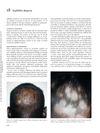 April 2012 in “Informa Healthcare eBooks”
 Syphilitic alopecia is a rare hair loss condition in secondary syphilis that looks similar to another condition but can be diagnosed with specific tests and responds to antibiotics.
 March 2018 in “Dermatología Argentina”
 The study found that the average age of women diagnosed with Frontal Fibrosing Alopecia in Argentina is higher than in other countries, but their symptoms are similar.
 July 2024 in “Influenza and Other Respiratory Viruses”
 Analyzing both TE and AA together is crucial for understanding post-COVID-19 hair loss.
 January 2022 in “Clinical Cases in Dermatology”
 A 62-year-old woman with hair loss and scalp itching was diagnosed with lichen planopilaris, treated initially with topical corticosteroids, and other possible treatments include systemic steroids, antimalarials, and more.
17 citations
,
January 1991 in “Acta Dermato Venereologica” A family had a genetic condition causing hair loss on the scalp, passed down through four generations.
August 2026 in “Dermatology and Therapy” Scalp rosacea is a treatable, non-scarring condition affecting mostly middle-aged men, linked to hair loss and sun exposure.
 9 citations
,
December 2014 in “British Journal of Dermatology”
9 citations
,
December 2014 in “British Journal of Dermatology” Hedgehog pathway inhibitors used for skin cancer can cause significant hair loss, which may improve after stopping the medication.
July 2025 in “Indian Dermatology Online Journal” Trichotillomania incognita can mimic hair loss patterns and requires careful diagnosis to avoid misdiagnosis.
 2 citations
,
October 1997 in “Dermatologic Clinics”
2 citations
,
October 1997 in “Dermatologic Clinics” The document concludes that advancements in hair restoration surgery have led to more natural results and patient satisfaction, with hope for future improvements in treatment.
 124 citations
,
August 1990 in “British Journal of Dermatology”
124 citations
,
August 1990 in “British Journal of Dermatology” Diffuse alopecia in women may be related to androgens and iron deficiency, and basic hormone and nutrient screening is useful.
 38 citations
,
October 1988 in “Clinics in Dermatology”
38 citations
,
October 1988 in “Clinics in Dermatology” Minoxidil can help grow hair and make hair follicles bigger, but it can also cause side effects.
 14 citations
,
January 2014 in “International Journal of Dermatology”
14 citations
,
January 2014 in “International Journal of Dermatology” Minoxidil with Korean red ginseng improves hair density and thickness more than minoxidil alone.
 4 citations
,
April 2020 in “Journal of Cosmetic Dermatology”
4 citations
,
April 2020 in “Journal of Cosmetic Dermatology” Low vitamin D levels are linked to different types of hair loss.
 March 2026 in “Frontiers in Medicine”
 Diffuse unpatterned alopecia can affect donor areas, but treatment with finasteride and minoxidil can improve hair density.