30 citations
,
May 2008 in “International Journal of Dermatology” Lipedematous alopecia causes permanent hair loss due to increased scalp fat.
2 citations
,
July 2015 in “Journal of Dr. YSR University of Health Sciences.” A young woman with skin issues and weight loss improved after treating her pancreatitis and using skin treatments.
1 citations
,
May 2002 in “AAP Grand Rounds” Tinea capitis, though rare in infants, should be considered for hair loss or scalp issues, with oral griseofulvin as the recommended treatment.
January 2026 in “International Ayurvedic Medical Journal” Ayurvedic treatment improved hair loss in a 23-year-old male.
 March 2023 in “Journal of Cosmetic Dermatology”
 Dilated scalp capillaries might be a sign of hair loss related to COVID-19.
Hair disorders can be genetic or acquired, affecting hair growth and loss differently.
August 2024 in “International Journal of Women’s Dermatology” Alopecia is common in severe cases of autosomal recessive congenital ichthyosis.
 6 citations
,
August 2022 in “The Italian Journal of Pediatrics/Italian journal of pediatrics”
6 citations
,
August 2022 in “The Italian Journal of Pediatrics/Italian journal of pediatrics” New genetic mutations linked to rare skin disorders were found in three newborns.
3 citations
,
July 2024 in “Animals” Tail tip lesions in dairy cows may be caused by reduced blood flow to the skin.
August 2025 in “Biomedicines” Half-siblings with a rare skin condition improved with treatment for a fungal infection, but hair loss remained.
August 2025 in “American Journal of Dermatopathology” Accurate diagnosis and personalized treatment are crucial in dermatopathology.
February 2019 in “Americanae (AECID Library)” Selenium and zinc deficiency in sheep leads to thyroid and skin problems.

Early treatment is important for better hair regrowth in elderly women with hair loss.
5 citations
,
September 2021 in “Clinical case reports” GLPLS is a rare skin condition with specific hair loss and skin symptoms.

Different types of hair loss can be caused by hormones, stress, autoimmune disorders, illness, or nutritional deficiencies, and can be treated with medication, nutritional supplements, or hair transplantation.
36 citations
,
September 2015 in “Orphanet Journal of Rare Diseases” Revertant cell therapy could be a future treatment for Ichthyosis with confetti.
5 citations
,
August 2023 in “Preprints.org” Droplet-based microfluidics improves delivery of bioactive compounds in food using precise encapsulation and release.
 1 citations
,
May 2015 in “Journal of The American Academy of Dermatology”
1 citations
,
May 2015 in “Journal of The American Academy of Dermatology” Lichen planus pigmentosus and fibrosing frontal alopecia in Colombia are likely different stages of the same disease.
 January 2019 in “Elsevier eBooks”
 Different hair disorders have specific treatments and outcomes, with some resolving on their own and others requiring medication or emotional support.
 May 2015 in “Journal of The American Academy of Dermatology”
 The Nd:YAG laser is a successful and safe way to treat ingrown and pincer nails.
 May 2015 in “Journal of The American Academy of Dermatology”
 Some people may temporarily lose more hair in certain areas after a hair transplant.
 May 2015 in “Journal of The American Academy of Dermatology”
 Mycophenolate mofetil may improve symptoms and stop hair loss in Lichen planopilaris, but more research is needed.
 November 2015 in “Springer eBooks”
 Hair loss treated with minoxidil, finasteride, laser/light, hair transplant, and scalp prostheses; more research needed for skin of color.
 42 citations
,
September 2018 in “Journal of Fungi”
42 citations
,
September 2018 in “Journal of Fungi” Terbinafine and itraconazole are more effective against Microsporum canis than fluconazole and griseofulvin.
 9 citations
,
March 2018 in “European journal of dermatology/EJD. European journal of dermatology”
9 citations
,
March 2018 in “European journal of dermatology/EJD. European journal of dermatology” A new mutation in the ST14 gene causes a rare skin and hair disorder in a specific family.
 12 citations
,
November 2011 in “International Journal of Dermatology”
12 citations
,
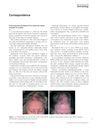
November 2011 in “International Journal of Dermatology” A woman developed a scalp condition from using minoxidil, which improved with a different treatment but left scarring.
 5 citations
,
March 2012 in “Clinical and Experimental Dermatology”
5 citations
,
March 2012 in “Clinical and Experimental Dermatology” A woman experienced temporary hair loss after taking albendazole, which resolved on its own within 3 months.
 5 citations
,
October 1984 in “The BMJ”
5 citations
,
October 1984 in “The BMJ” Up to 50% of scalp hair can be lost before it appears thin, and treatment is only needed for hair loss caused by diseases or deficiencies.
 November 2025 in “Australian Journal of General Practice”
 Oral finasteride and topical minoxidil can regrow hair, but finasteride may affect fertility.
 September 2022 in “XXXIX Congresso Brasileiro de Reumatologia”
 Tofacitinib may effectively treat skin symptoms in difficult cases of dermatomyositis.