 February 2026 in “Journal of the American Academy of Dermatology”
 Ophiasis mainly affects females, lasts longer, and has lower regrowth rates, with a new classification system helping predict treatment response.
 April 2024 in “Clinical dermatology review (Print)”
 Most women aged 20-40 in the study lost hair diffusely and in volume over 6 weeks to 6 months, mainly due to telogen effluvium, often without a clear cause.
 10 citations
,
August 2011 in “Clinics”
10 citations
,
August 2011 in “Clinics” The author clarified that Alopecia Areata Incognita (AAI) and diffuse Alopecia Areata (AA) are different conditions and the case discussed was actually AA, not AAI.
 1 citations
,
January 2022 in “Skin appendage disorders”
1 citations
,
January 2022 in “Skin appendage disorders” Hair shedding after childbirth can reveal a pre-existing condition of hair loss due to tight hairstyles.
 59 citations
,
January 2002 in “Dermatology”
59 citations
,
January 2002 in “Dermatology” A new type of sudden, complete female hair loss was found, with most patients fully recovering within 6 months without needing steroid treatment.
 2 citations
,
March 2018 in “The Journal of Dermatology”
2 citations
,
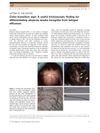
March 2018 in “The Journal of Dermatology” The "color-transition sign" helps tell apart alopecia areata incognita from telogen effluvium by looking at hair color changes.
 July 2024 in “Influenza and Other Respiratory Viruses”
 Analyzing both TE and AA together is crucial for understanding post-COVID-19 hair loss.
1 citations
,
January 2010 Many drugs can cause hair loss.
 February 2025 in “Dermatology and Therapy”
 Alopecia areata incognita causes sudden hair loss but usually improves with topical steroids.
 June 2022 in “Plastic and Reconstructive Surgery – Global Open”
 Stem cell serum effectively treated hair loss caused by COVID-19.
 11 citations
,
January 2018 in “Annals of Dermatology”
11 citations
,
January 2018 in “Annals of Dermatology” Some people experienced temporary hair loss after hair transplant surgery but recovered fully within 10 months.
 14 citations
,
November 2011 in “Journal of The American Academy of Dermatology”
14 citations
,
November 2011 in “Journal of The American Academy of Dermatology” Alopecia Areata Incognita causes widespread hair thinning, and treatment with systemic corticosteroids and psychiatric support can lead to remission.
 May 2021 in “Journal of the American College of Cardiology”
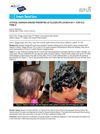
 An 11-year-old girl with Kawasaki disease experienced hair loss that improved after treatment.
 3 citations
,
June 2006 in “Expert Review of Dermatology”
3 citations
,
June 2006 in “Expert Review of Dermatology” The document concludes that hair loss is complex, affects many people, has limited treatments, and requires more research on its causes and psychological impact.
 18 citations
,
January 2016 in “Skin appendage disorders”
18 citations
,
January 2016 in “Skin appendage disorders” The paper suggests improving diagnosis and treatment of telogen effluvium but does not recommend a new classification system.
 January 2015 in “Springer eBooks”
 Chronic kidney disease can cause hair loss, which may be related to zinc deficiency or certain medications, and sometimes hair grows back when the underlying issue is treated.
 January 2018 in “Elsevier eBooks”
 The document concludes that alopecia has various forms, each with specific treatments, but no definitive cure for certain types like CCCA has been proven.
 April 2012 in “Informa Healthcare eBooks”
 Syphilitic alopecia is a rare hair loss condition in secondary syphilis that looks similar to another condition but can be diagnosed with specific tests and responds to antibiotics.
 29 citations
,
January 2017 in “Skin appendage disorders”
29 citations
,
January 2017 in “Skin appendage disorders” Hair loss due to syphilis can be identified using trichoscopy and is treatable with antibiotics.

The paper concludes that the patchiness of alopecia areata is likely due to when the immune attack happens in the hair growth cycle.
 24 citations
,
August 2020 in “AJGP”
24 citations
,
August 2020 in “AJGP” A woman's sudden hair loss was linked to her previous COVID-19 infection.
 11 citations
,
May 2021 in “Journal of The American Academy of Dermatology”
11 citations
,
May 2021 in “Journal of The American Academy of Dermatology” COVID-19 doesn't make alopecia areata worse.
 4 citations
,
May 1999 in “PubMed”
4 citations
,
May 1999 in “PubMed” Some medications can cause reversible hair loss by affecting hair growth cycles.
 3 citations
,
April 2002 in “The Lancet”
3 citations
,
April 2002 in “The Lancet” Painful hair loss in an elderly woman was caused by giant cell arteritis, not just aging.
December 2023 in “International Journal of Dermatology” Accurate diagnosis of alopecia areata incognito requires trichoscopy and histopathology.
 January 2023 in “International journal of sciences”
 Platelet-Rich Plasma therapy helped significantly in hair recovery for a hair loss condition after infection.

Proper medical treatments can control and even reverse female pattern hair loss, but it's important to check for related conditions like excessive male hormone production, especially in severe cases.
 60 citations
,
October 2009 in “Dermatology”
60 citations
,
October 2009 in “Dermatology” Alopecia areata may appear differently depending on the individual's type of hair loss and scalp condition.
 2 citations
,
August 2017 in “British Journal of Dermatology”
2 citations
,
August 2017 in “British Journal of Dermatology” Hair loss in Cronkhite-Canada syndrome may be due to an autoimmune response.
January 2022 in “مجلة جامعة المجمعه للعلوم الصحية” A woman was misdiagnosed with hair loss for years, but actually had a rare type of alopecia.