 April 2016 in “Proceedings of SPIE”
 UV-induced autofluorescence is effective for identifying different types of alopecia.
 January 2015 in “Indian Dermatology Online Journal”
 The patient's hair loss is most likely due to diffuse alopecia areata.
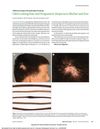 May 2014 in “JAMA Dermatology”
 Mother and son diagnosed with a rare genetic hair loss condition with no effective treatment.
 March 2013 in “Journal für Kardiologie (Krause & Pachernegg GmbH)”
 Hormones significantly affect hair growth and loss, with potential for new treatments.
 August 2005 in “British journal of dermatology/British journal of dermatology, Supplement”
 Melatonin may help treat hair loss and needs more research.
The treatment plan effectively improves hair growth in androgenetic alopecia.
 68 citations
,
May 2012 in “Annals of Oncology”
68 citations
,
May 2012 in “Annals of Oncology” Some breast cancer chemotherapy can cause permanent hair loss.
35 citations
,
November 2019 in “Journal of the American Academy of Dermatology” A new variant of lichen planopilaris causing diffuse hair thinning was identified.
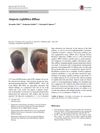 6 citations
,
April 2015 in “Infection”
6 citations
,
April 2015 in “Infection” Treatment with benzylpenicillin and prednisolone cured the patient's syphilis and hair loss.
 2 citations
,
January 2017 in “Przegla̧d dermatologiczny”
2 citations
,
January 2017 in “Przegla̧d dermatologiczny” Two trichoscopic patterns found in hair loss: diffuse fibrotic and androgenetic alopecia, affecting treatment choice and regrowth chances.
 37 citations
,
October 2014 in “Maturitas”
37 citations
,
October 2014 in “Maturitas” Men's hair loss is caused by hormones and genes, and can be treated with medication and surgery, while graying is due to aging and has no prevention except dyeing.
44 citations
,
January 1997 in “British Journal of Dermatology” Stopping 5% topical minoxidil can reverse unwanted hair growth on the face and limbs.
 33 citations
,
August 2015 in “F1000Research”
33 citations
,
August 2015 in “F1000Research” New model shows muscle affects hair loss differently in men and women.
 21 citations
,
March 2015 in “Journal of The American Academy of Dermatology”
21 citations
,
March 2015 in “Journal of The American Academy of Dermatology” Vemurafenib therapy can cause hair loss, but clobetasol propionate foam can help regrow hair.
 18 citations
,
February 2014 in “PubMed”
18 citations
,
February 2014 in “PubMed” Androgenetic alopecia is a common hair loss condition caused by testosterone effects on hair follicles, leading to thinner, shorter, and less pigmented hair, diagnosed using scalp dermoscopy and treated with topical minoxidil, antiandrogen agents, and 5-alpha reductase inhibitors.
 18 citations
,
January 1997 in “British Journal of Dermatology”
18 citations
,
January 1997 in “British Journal of Dermatology” 5% topical minoxidil can cause severe body hair growth, which disappears after stopping treatment.
15 citations
,
May 2008 in “Actas Dermo-Sifiliográficas” Postmenopausal women with hair loss should get proper tests and consider treatments like minoxidil.
 5 citations
,
September 2020 in “Journal of The American Academy of Dermatology”
5 citations
,
September 2020 in “Journal of The American Academy of Dermatology” Men can experience female pattern hair loss, needing different treatments.
 5 citations
,
September 2011 in “Pediatric Dermatology”
5 citations
,
September 2011 in “Pediatric Dermatology” Two young siblings experienced hair loss without hormone issues or other skin problems.
 4 citations
,
August 1978 in “PubMed”
4 citations
,
August 1978 in “PubMed” Many women's hair loss is due to health issues, medication, nutrition, or stress.
 3 citations
,
January 2019 in “Dermatology and therapy”
3 citations
,
January 2019 in “Dermatology and therapy” Scalp massages may help stabilize or regrow hair in people suffering from hair loss, regardless of age, gender, or use of other treatments.
 2 citations
,
January 2011 in “Dermatologica Sinica”
2 citations
,
January 2011 in “Dermatologica Sinica” Taiwan reported its first case of a rare scalp condition with no clear cause or treatment.
 November 2025 in “International Dermatology”
 Accurate diagnosis is crucial to distinguish telogen effluvium from male pattern baldness to avoid unnecessary treatments.
September 2024 in “Dermatology Online Journal” Facial hair growth from minoxidil stopped after she quit using it.
July 2024 in “Vestnik dermatologii i venerologii” Post-COVID-19 hair loss is different from androgenetic alopecia and can be identified by lower copper and higher selenium levels.
Androgenetic alopecia is common in younger adults, especially with a family history.
 January 2023 in “Springer eBooks”
 Most older adults experience pattern hair loss due to shrinking hair follicles, with men and women showing different balding patterns.
 August 2022 in “RECISATEC”
 Female pattern hair loss is common, often starts in the 30s or 40s, worsens after menopause, and can negatively affect quality of life.
 May 2021 in “British Small Animal Veterinary Association eBooks”
 If a dog's skin tests are normal but it has hair loss, consider other non-endocrine causes and choose tests based on the hair loss pattern.
 October 2020 in “Медицинский совет”
 The document's conclusion cannot be provided as it is not accessible for parsing.