 October 2025 in “Advanced Healthcare Materials”
 Stevioside-based microneedles improve minoxidil delivery and hair growth for treating hair loss.
14 citations
,
November 2015 in “Dermatology” The research provided insights into the presentation and management of alopecic and aseptic nodules of the scalp.
 15 citations
,
May 2018 in “Open Access Macedonian Journal of Medical Sciences”
15 citations
,
May 2018 in “Open Access Macedonian Journal of Medical Sciences” Propolis and aloe vera ointment effectively treats mild to moderate psoriasis.
15 citations
,
January 2006 in “British Journal of Dermatology” A woman with skin eruptions and hair loss improved significantly with ointment treatment.
1 citations
,
October 2024 in “Indian Dermatology Online Journal” PRP injections for hair loss may cause scalp nodules that can persist but often regress on their own.
 3 citations
,
November 2018 in “Oncology issues”
3 citations
,
November 2018 in “Oncology issues” Cancer survivors often experience worse skin problems from treatment than expected, and working with dermatologists could help improve their condition.
Lipid carriers improve delivery of hair loss treatments to follicles.

Monthly PRP therapy is more effective than daily minoxidil for alopecia areata.
 August 2023 in “Journal of Cosmetic Dermatology”
 QR678 Neo® improved seborrheic dermatitis symptoms in a small group of patients.
 January 2025 in “ARC Journal of Clinical Case Reports”
 Encapsulated retinol may effectively treat actinic keratosis without side effects.
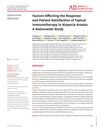 January 2024 in “Annals of Dermatology”
 DPCP immunotherapy is effective for alopecia areata, and understanding influencing factors can improve treatment and satisfaction.
June 2020 in “Journal of skin and stem cell” The patient's hair loss from alopecia totalis returned despite initial successful treatment.
June 1986 in “Journal of the American Academy of Dermatology” Topical minoxidil showed promise for early male pattern baldness.
45 citations
,
July 2008 in “International Journal of Dermatology” Sulfasalazine may help treat persistent alopecia areata.
1 citations
,
January 1991 in “Journal of Dermatological Treatment” Minoxidil doesn't change scalp oil production.
 August 1986 in “Journal of The American Academy of Dermatology”
 Minoxidil showed a 30% success rate for hair growth in a study, and various skin treatments were effective, but some had limitations or side effects.
4 citations
,
July 2023 in “Journal of Cosmetic Dermatology” Adapalene microemulsions improve drug delivery through hair follicles, enhancing acne treatment.
1 citations
,
January 2021 in “Skin appendage disorders” Alopecia areata in children is usually mild and effectively treated with strong topical steroids.
 17 citations
,
May 1998 in “Contact Dermatitis”
17 citations
,
May 1998 in “Contact Dermatitis” Minoxidil can cause pustular allergic reactions on skin.
 2 citations
,
July 2022 in “Dermatology Reports”
2 citations
,
July 2022 in “Dermatology Reports” EPDS and MS might share an immune-related cause.
 September 2023 in “Pharmaceuticals”
 Tiny particles improved delivery of hair loss treatments to hair follicles, with lipid-based particles performing best.
 3 citations
,
January 2017 in “Yonsei Medical Journal”
3 citations
,
January 2017 in “Yonsei Medical Journal” Blocking 11β-HSD1 can lessen the harmful effects of glucocorticoids on hair growth cells.
 1 citations
,
January 2018 in “Journal of cosmetology & trichology”
1 citations
,
January 2018 in “Journal of cosmetology & trichology” Hair loss lotion with specific ingredients effectively improves hair growth and thickness safely.
 1 citations
,
October 2018 in “Madridge journal of dermatology & research”
1 citations
,
October 2018 in “Madridge journal of dermatology & research” A young child with alopecia areata and psoriasis improved with treatment, suggesting a link between the two conditions.
 3 citations
,
May 2018 in “Italian journal of dermatology and venereology”
3 citations
,
May 2018 in “Italian journal of dermatology and venereology” The lotion with N1-methylspermidine and Sandalore® effectively reduces hair loss and promotes hair growth.

Spironolactone is effective and safe for treating acne.
12 citations
,
July 2016 in “Journal of dermatology” Intramuscular triamcinolone acetonide is an effective treatment for severe alopecia areata, especially in males.

Combining bromelain with finasteride improves hair regrowth and reduces inflammation in alopecia.
 March 2025 in “Research Square (Research Square)”
 Lactiplantibacillus plantarum lysate from green tea may help treat scalp seborrheic dermatitis.
17 citations
,
October 2013 in “Der Hautarzt”