 August 2023 in “JOJ dermatology & cosmetics”
 Antibiotics often cause skin reactions, making them a major health concern.
 53 citations
,
July 2011 in “Biomaterials”
53 citations
,
July 2011 in “Biomaterials” Human liver cells stick to hair protein materials mainly through the liver's asialoglycoprotein receptor.
October 2025 in “Skin Research and Technology” The article's findings are unreliable and have been retracted.
 2 citations
,
June 2023 in “Journal of cell science”
2 citations
,
June 2023 in “Journal of cell science” Mutations in iRhom2 affect hair and skin in mice and are linked to esophageal cancer, with ADAM17 playing a crucial role.
April 2025 in “Indian Journal of Paediatric Dermatology” Zinc supplements improved the girl's skin and hair condition.
 November 2022 in “Journal of Investigative Dermatology”
 Aging in one type of stem cell can cause aging-like changes in various organs.
Correcting EDA fibronectin organization and YAP translocation can improve wound healing in fibrotic conditions.
June 2024 in “European neuropsychopharmacology” September 2024 in “Dokumentenrepositorium der RUB (Ruhr University Bochum)” Higher monocyte counts predict less effective adalimumab treatment in hidradenitis suppurativa patients.
 March 2026 in “Clinical Cosmetic and Investigational Dermatology”
 Upadacitinib improved multiple immune-related conditions in one patient.
21 citations
,
May 2023 in “The Journal of Allergy and Clinical Immunology In Practice” January 2026 in “Skin Research and Technology” The study's findings on VLDL as a biomarker for hair loss are unreliable.
2 citations
,
September 2018 in “Clinical and Experimental Dermatology” Pemphigus patients with alopecia have more severe and treatment-resistant disease.
2 citations
,
September 2024 in “Journal of the American Academy of Dermatology” Higher monocyte counts may predict poor response to adalimumab in hidradenitis suppurativa patients.
 April 2018 in “Journal of Investigative Dermatology”
 Dsg1 is essential for maintaining a healthy skin barrier in mice.
 4 citations
,
April 2002 in “Medical Hypotheses”
4 citations
,
April 2002 in “Medical Hypotheses” Hormones cause hair loss by affecting cell growth and weakening cell attraction.
1 citations
,
May 2013 in “Oncology Times” ODAC members faced intense pressure but prioritized scientific evidence in drug approval decisions.
 May 2025 in “International Journal of Science and Research (IJSR)”
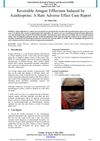
 Stopping azathioprine led to full hair regrowth and recovery in 2.5 months.

The document's conclusion cannot be provided because the document is not accessible or understandable.
May 2025 in “The Journal of Dermatology” April 2024 in “Zagazig University Medical Journal” Lower adiponectin levels are linked to more severe hair loss in alopecia areata.
Hair dysplasias involve various hair disorders causing fragility, breakage, and poor hair adhesion.
 March 2010 in “International Journal of Cosmetic Science”
 Disulfide bonds affect the melting behavior of hair's crystalline structure, but hair retains some stability even after these bonds are broken.
 7 citations
,
January 2018 in “Neurodegenerative Diseases”
7 citations
,
January 2018 in “Neurodegenerative Diseases” Researchers found a new ABCD1 gene mutation linked to a rare brain and nerve disorder with unusual brain changes.
January 2004 in “Kölner Universitäts PublikationsServer (Universität zu Köln)” Collagen XVII and CD151 affect cell movement, with CD151 inhibiting migration when bound to integrins.
 6 citations
,
January 2019 in “The American Journal of Dermatopathology”
6 citations
,
January 2019 in “The American Journal of Dermatopathology” The conclusion is that fat tissue in the skin is a new finding in Frontal fibrosing alopecia and may contribute to hair follicle and muscle degeneration.
 August 2023 in “The journal of investigative dermatology/Journal of investigative dermatology”
 Childhood atopic dermatitis does not significantly affect general cognition.
13 citations
,
August 2005 in “Journal of Investigative Dermatology Symposium Proceedings” Mutations in the DSG4 gene cause fragile, sparse hair in humans, mice, and rats.
 June 2026 in “Frontiers in Immunology”
 Upadacitinib effectively treated severe atopic dermatitis, vitiligo, and alopecia areata in one patient.
 25 citations
,
February 2013 in “The journal of investigative dermatology/Journal of investigative dermatology”
25 citations
,
February 2013 in “The journal of investigative dermatology/Journal of investigative dermatology” Blocking SCD1 in the skin with XEN103 shrinks sebaceous glands in mice.