 August 2023 in “The Kitakanto Medical Journal”
 Image analysis can effectively identify changes in scalps affected by chemotherapy-induced hair loss.
 July 2023 in “Clinical, cosmetic and investigational dermatology”
 Plica neuropathica can be a sign of schizophrenia and improves with antipsychotic treatment.
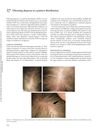 April 2012 in “Informa Healthcare eBooks”
 Fibrosing alopecia in a pattern distribution is a unique hair loss condition with inflammation and scarring, resembling but distinct from common balding.
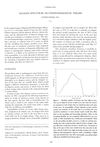 13 citations
,
May 1993 in “International Journal of Dermatology”
13 citations
,
May 1993 in “International Journal of Dermatology” The paper suggests that telogen effluvium, a type of hair loss, may be a long-lasting condition triggered by stress or illness in people whose hair growth is unusually synchronized.
 August 2025 in “Chronobiology International”
 Irregular sleep and disrupted body clocks can lead to more hair loss in young adults.
 January 2003 in “Annals of Dermatology”
 Iron deficiency can cause hair abnormalities, but taking iron can fix them and stop hair loss.
February 2022 in “Actas dermo-sifiliográficas/Actas dermo-sifiliográficas” Hair shaft disorders, often due to genetics or environment, lack specific treatments but can be managed with gentle hair care and may improve with age or topical treatments.
 December 2021 in “Journal of clinical images and medical case reports”
 Moth-eaten alopecia is linked to various skin diseases and requires early treatment to prevent worsening.
 February 2025 in “Journal of Investigative Dermatology”
 The ZIP13 variant is linked to abnormal hair quality.
January 2008 in “International Journal of Trichology” Psychological factors can cause hair and scalp problems.