 1 citations
,
January 2015 in “Journal of Pigmentary Disorders”
1 citations
,
January 2015 in “Journal of Pigmentary Disorders” Melasma is a skin condition linked to female hormones, genetics, UV exposure, and certain medications, but not to pituitary, adrenal, or thyroid diseases.
 43 citations
,
December 2013 in “Seminars in Cell & Developmental Biology”
43 citations
,
December 2013 in “Seminars in Cell & Developmental Biology” Genetic mutations can cause hair growth disorders by affecting key genes and signaling pathways.
 667 citations
,
May 2008 in “Genes & Development”
667 citations
,
May 2008 in “Genes & Development” Histone demethylases can change gene expression and may be linked to diseases like cancer.
 146 citations
,
May 2002 in “The American journal of pathology”
146 citations
,
May 2002 in “The American journal of pathology” Cathepsin L is essential for normal hair growth and development.
 108 citations
,
July 2002 in “Molecular and cellular biology”
108 citations
,
July 2002 in “Molecular and cellular biology” Overexpressing Dsg3 in mice skin causes excessive cell growth and abnormal skin development.
 75 citations
,
June 1999 in “Pediatric Clinics of North America”
75 citations
,
June 1999 in “Pediatric Clinics of North America” The document concludes that early recognition and treatment of PCOS in adolescents is crucial for managing symptoms and long-term health risks.
 66 citations
,
July 2015 in “Organogenesis”
66 citations
,
July 2015 in “Organogenesis” Wnt signaling is crucial for skin wound healing and reducing scars.
 65 citations
,
September 2004 in “The American journal of pathology”
65 citations
,
September 2004 in “The American journal of pathology” Blocking BMP signaling causes hair loss and disrupts hair growth cycles.
 52 citations
,
May 2015 in “PLOS Genetics”
52 citations
,
May 2015 in “PLOS Genetics” miR-22, a type of microRNA, controls hair growth and its overproduction can cause hair loss, while its absence can speed up hair growth.
 51 citations
,
February 2009 in “Journal of dermatological science”
51 citations
,
February 2009 in “Journal of dermatological science” Pitx2 helps outer root sheath cells differentiate but can't start hair growth on its own.
 39 citations
,
January 2016 in “PubMed”
39 citations
,
January 2016 in “PubMed” Understanding how EDC genes are regulated can help develop better drugs for skin diseases.
 18 citations
,
January 2020 in “Acta dermato-venereologica”
18 citations
,
January 2020 in “Acta dermato-venereologica” Over 67 genes linked to ichthyosis help improve diagnosis and treatment.
 12 citations
,
May 2001 in “British journal of dermatology/British journal of dermatology, Supplement”
12 citations
,
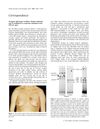
May 2001 in “British journal of dermatology/British journal of dermatology, Supplement” A rare benign skin tumor showed unusual features of sebaceous and sweat glands, important for correct diagnosis.
 10 citations
,
January 2014 in “BioMed research international”
10 citations
,
January 2014 in “BioMed research international” Rat whisker cells can help turn other cells into nerve cells and might be used to treat brain injuries or diseases.
 9 citations
,
March 2013 in “ISRN Stem Cells (Online)”
9 citations
,
March 2013 in “ISRN Stem Cells (Online)” Skin stem cells were turned into heart cells using a chemical, suggesting a new way to treat heart attacks.
 6 citations
,
June 2021 in “Developmental biology”
6 citations
,
June 2021 in “Developmental biology” Dermal EZH2 controls skin cell development and hair growth in mice.
 6 citations
,
August 1991 in “Pediatric Clinics of North America”
6 citations
,
August 1991 in “Pediatric Clinics of North America” The document concludes that various hair and scalp disorders in children have specific treatments and proper diagnosis is essential.
 5 citations
,
January 2017 in “Molecular Medicine Reports”
5 citations
,
January 2017 in “Molecular Medicine Reports” Human hair follicle cells can be turned into neural stem cell-like cells, which might help treat brain diseases.
 2 citations
,
August 2013 in “Journal of Investigative Dermatology”
2 citations
,
August 2013 in “Journal of Investigative Dermatology” Nuclear shape and chromatin changes affect gene expression in skin cell differentiation.
 1 citations
,
January 2013 in “Elsevier eBooks”
1 citations
,
January 2013 in “Elsevier eBooks” The document reviews various hair and nail disorders, their causes, and treatments, emphasizing the need for proper diagnosis and the link between nail changes and systemic diseases.
 1 citations
,
June 2010 in “Development”
1 citations
,
June 2010 in “Development” The document concludes that pig iPSCs show promise for transplant therapies and the field is advancing in controlling cell behavior for biology and medicine.
 April 2024 in “The Indonesian Biomedical Journal”
 Melanocyte stem cells from non-affected skin in vitiligo patients can become functional melanocytes for potential therapy.
 April 2023 in “Dermatology practical & conceptual”
 Lenalidomide helps hair follicle stem cells turn into melanocytes, which may improve repigmentation in vitiligo.
 November 2020 in “bioRxiv (Cold Spring Harbor Laboratory)”
 Dermal EZH2 controls skin cell growth and differentiation in mice.
 September 2020 in “Kocatepe Veterinary Journal”
 Equine adipose stem cells can become different cell types and are promising for healing injuries.
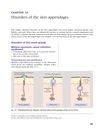 December 2016 in “John Wiley & Sons, Ltd eBooks”
 The document concludes that proper recognition and treatment of skin appendage disorders are important for management.
 4 citations
,
October 2013 in “Clinics in Dermatology”
4 citations
,
October 2013 in “Clinics in Dermatology” Experts don't fully agree on how to diagnose certain hair growth disorders and more research is needed to understand them better.
 January 2018 in “Springer eBooks”
 Athletes need effective management of skin disorders for their performance and well-being.
 19 citations
,
January 2013 in “Pediatrics in review”
19 citations
,
January 2013 in “Pediatrics in review” The document says menstruation is important for women's health, discusses menstrual disorders, and suggests personalized treatment options.
 February 2026 in “International Journal of Web of Multidisciplinary Studies”
 Restoring microbial balance and using exosome therapies may help treat hair disorders like alopecia and acne.