 November 2024 in “Communities in ADDI (University of the Basque Country)”
 Antisense oligonucleotides show promise for treating Myotonic Dystrophy type I.
 April 2018 in “Journal of Investigative Dermatology”
 Removing STAT5 from 3D-cultured human skin cells reduces their ability to grow hair.
83 citations
,
October 2012 in “International Journal of Oncology” Wedelolactone selectively kills prostate cancer cells without harming normal cells.
 81 citations
,
January 2006 in “Journal of cellular physiology”
81 citations
,
January 2006 in “Journal of cellular physiology” Mice without the vitamin D receptor gene lose hair due to disrupted hair follicle cycles.
 6 citations
,
April 2017 in “Experimental dermatology”
6 citations
,
April 2017 in “Experimental dermatology” CD80CD86 deficiency causes hair loss by disrupting regulatory T cells.
13 citations
,
January 2010 in “Immunopharmacology and immunotoxicology” Diphencyprone increases Bcl-2 protein in patients with hair regrowth from alopecia areata.

Individualized treatments may help manage Dercum's disease symptoms.
September 2016 in “Journal of Dermatological Science” Hair follicles produce IL-7, which is essential for certain skin lymphoma cells to survive.
 November 2022 in “Journal of Investigative Dermatology”
 The research found specific genes that are more active in balding cells, which could be causing hair loss.
 September 2016 in “Journal of Dermatological Science”
 Wnt-10b is important for keeping mouse skin cells healthy for hair growth.
100 citations
,
August 2011 in “Journal of Investigative Dermatology” Lack of vitamin D receptor increases skin tumor risk by boosting hedgehog signaling.
 February 2018 in “Egyptian Journal of Radiation Sciences and Applications”
 Patients with Discoid Lupus Erythematosus have lower vitamin D and antioxidant levels and higher oxidative stress.
 July 2023 in “New phytologist”
 The BUZZ gene is important for root hair growth and overall root structure in the plant Brachypodium distachyon.
December 2012 in “Expert review of dermatology” New findings suggest the protein linked to Birt–Hogg–Dubé syndrome is important in cell signaling and could affect treatment understanding.
26 citations
,
January 2015 in “PubMed” Collagenase IV helps control hair growth by affecting certain growth factors.
 March 2024 in “Biochimica et biophysica acta. Molecular basis of disease”
 Deferoxamine may help protect inner ear cells from damage caused by oxidative stress.
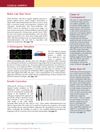 January 2016 in “Journal of Investigative Dermatology”
 Some cells may slow melanoma growth, a protein could affect skin pigmentation, a gene-silencing method might treat hair defects, skin bacteria changes likely result from eczema, and a defensin protein could help treat multiple sclerosis.
September 2017 in “The journal of investigative dermatology/Journal of investigative dermatology” Different types of human skin cells respond uniquely to various colors and doses of light, which could lead to specialized light treatments for skin conditions.
 January 2012 in “Journal of Investigative Dermatology”
 Some Greek melanoma patients have gene mutations linked to increased cancer risk, a new color feature helps diagnose melanoma, the incidence of a skin condition in the Netherlands is rare, and a gene possibly affects male-pattern baldness.
 21 citations
,
July 2006 in “Veterinary dermatology”
21 citations
,
July 2006 in “Veterinary dermatology” CD34 marks potential stem cells in dog hair follicles.
1 citations
,
April 2025 in “American Journal of Medical Genetics Part C Seminars in Medical Genetics” Eflornithine improved symptoms in Bachmann–Bupp Syndrome patients.
September 2023 in “Journal of the American Academy of Dermatology” CTP-543 is generally safe for treating alopecia areata.
1 citations
,
August 2009 in “Mechanisms of Development” Vitamin D receptor helps prevent skin tumors.
June 2023 in “bioRxiv (Cold Spring Harbor Laboratory)” Scientists created cell lines to study a genetic skin disorder using CRISPR technology.
1 citations
,
April 2016 in “Journal of lipid research” Lipin-1 is important for skin cell differentiation and skin barrier function.
Farudodstat may effectively treat alopecia areata by protecting hair follicles without harmful effects.
1 citations
,
January 2025 in “Proceedings of the National Academy of Sciences” LPAR6 has a unique way of binding and activating, which helps in designing treatments for hair loss and cancer.

The document's conclusion cannot be provided because the document is not available or cannot be read.