 13 citations
,
June 2020 in “BMC genomics”
13 citations
,
June 2020 in “BMC genomics” A specific microRNA, chi-miR-30b-5p, slows down the growth of hair-related cells by affecting the CaMKIIδ gene in cashmere goats.
 6 citations
,
April 2017 in “Experimental dermatology”
6 citations
,
April 2017 in “Experimental dermatology” CD80CD86 deficiency causes hair loss by disrupting regulatory T cells.
 4 citations
,
August 2022 in “Lasers in medical science”
4 citations
,
August 2022 in “Lasers in medical science” Both 1565-nm laser and 1064-nm laser safely and effectively reduce enlarged facial pores, with the 1064-nm laser causing fewer side effects.
September 2024 in “Journal of the American Academy of Dermatology”  April 2018 in “Journal of Investigative Dermatology”
 Higher levels of nidogen1 and type IV collagen are found in basal cell carcinoma compared to normal skin.
May 2026 in “Animal Bioscience” m6A-circHECA helps stem cells become hair follicles in cashmere goats.
January 2007 in “동의생리병리학회지 = Journal of physiology & pathology in Korean Medicine” Drynariae Rhizoma extracts, especially the acetone and EtoAc fractions, may help treat hair loss.
 67 citations
,
February 2009 in “Journal of Dermatology” August 2023 in “Zenodo (CERN European Organization for Nuclear Research)”
67 citations
,
February 2009 in “Journal of Dermatology” August 2023 in “Zenodo (CERN European Organization for Nuclear Research)”  January 2025 in “BMC Genomics”
 Long non-coding RNAs help regulate wool fineness in Gansu alpine fine-wool sheep.
7 citations
,
September 2022 in “International journal of molecular sciences” The research found that the molecule lncRNA-H19 helps hair follicle cells grow by affecting certain cell pathways in cashmere goats.
 9 citations
,
November 2013 in “Dermatologic Surgery”
9 citations
,
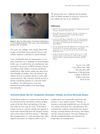
November 2013 in “Dermatologic Surgery” Hair transplant complications were likely due to deep graft placement and rough handling.
57 citations
,
July 2000 in “Toxicology Letters” K6/ODC transgenic mice are effective for quickly identifying cancer-causing chemicals.
 1 citations
,
April 2017 in “Journal of Investigative Dermatology”
1 citations
,
April 2017 in “Journal of Investigative Dermatology” SM04554 may increase hair growth as a topical treatment for androgenetic alopecia.
1 citations
,
April 2010 in “Cancer Research” WYE-130600 may cause skin thickening and irritation.
88 citations
,
March 2004 in “Journal of Investigative Dermatology”  8 citations
,
April 2011 in “Surgery today”
8 citations
,
April 2011 in “Surgery today” A substance called sodium zinc dihydrolipoylhistidinate can significantly reduce hair loss caused by chemotherapy in rats.
1 citations
,
July 2024 in “International Journal of Molecular Sciences” MicroRNA-181a slows sheep hair growth by targeting GNAI2 and affecting a key growth pathway.
13 citations
,
August 1985 in “The Journal of Dermatology” HKN-2 antibody targets specific skin and hair cells, showing keratin complexity.
Metabolic processes and key genes like FGF5, FGFR1, and RRAS significantly affect hair follicle growth in Inner Mongolian Cashmere goats.
3 citations
,
January 2011 in “生物医学研究杂志:英文版” A new mutation in the KRT86 gene causes monilethrix in a Han family.
July 2023 in “Current Developments in Nutrition” September 1999 in “International Society of Hair Restoration Surgery” November 2025 in “Journal of Investigative Dermatology”  April 2023 in “The journal of investigative dermatology/Journal of investigative dermatology”
 Damaged hair follicle stem cells may leave the skin to help maintain youthfulness.
4 citations
,
August 2024 in “Non-coding RNA Research”  19 citations
,
November 1993 in “Mammalian Genome”
19 citations
,
November 1993 in “Mammalian Genome” A gene mutation in mice causes permanent hair loss and skin issues.
 January 2021 in “Research Square (Research Square)”
 Rabbits with high wool production have more hair follicles, influenced by specific long noncoding RNAs.
January 2021 in “대한미용학회지” Boswellia may improve skin inflammation symptoms and positively influence hair growth in mice.
 April 2017 in “Journal of Investigative Dermatology”
 SB414 may be an effective treatment for atopic dermatitis by reducing swelling and bacterial infection.