13 citations
,
February 2012 in “International Journal of Dermatology” A new genetic mutation in the CDH3 gene causes hair loss and eye problems in young people.
 April 2023 in “The journal of investigative dermatology/Journal of investigative dermatology”
 The study suggests that a specific type of immune cell, memory-like NK cells, may increase during active hair loss in Alopecia areata.
 155 citations
,
May 2016 in “Nature communications”
155 citations
,
May 2016 in “Nature communications” Memory T cells in the skin balance staying put and moving into the blood, clustering around hair follicles, and increasing in number after infection.
 April 2015 in “Plastic and Reconstructive Surgery”
 TLR3 activation helps improve skin and hair follicle healing in mice.
2 citations
,
May 2022 in “The journal of immunology/The Journal of immunology” BST2 protein and certain T cells increase in early alopecia areata.
 January 2001 in “Biomedical Research”
 THH and PAD type III appear together early in hair growth, but deiminated THH appears later, suggesting another factor is involved.
24 citations
,
December 2013 in “Archives of Dermatological Research”  April 2023 in “The journal of investigative dermatology/Journal of investigative dermatology”
 Removing certain immune cells in mice causes their hair to enter the growth phase earlier than usual.
 November 2022 in “Journal of Investigative Dermatology”
 The research found specific genes that are more active in balding cells, which could be causing hair loss.
16 citations
,
February 2005 in “British journal of dermatology/British journal of dermatology, Supplement” Lack of Vitamin D receptor changes skin structure and increases certain immune cells in the skin.
 34 citations
,
December 2009 in “The International Journal of Developmental Biology”
34 citations
,
December 2009 in “The International Journal of Developmental Biology” Too much thymosin beta4 causes weird teeth and more hair growth in mice.
7 citations
,
August 2008 in “Immunogenetics” A gene mutation in mice causes increased mast cells and disorganized hair follicles in their skin.
55 citations
,
November 2010 in “Journal of Allergy and Clinical Immunology” The L412F variant of TLR3 is linked to skin infections, more viral infections, and autoimmune issues.
 September 2019 in “The journal of investigative dermatology/Journal of investigative dermatology”
 Tet1/2/3 enzymes affect hair follicle cell development by influencing BMP signaling.
May 2005 in “Cancer Research” Melanoma cells lose their ability to form tumors when placed in a zebrafish embryo environment.
 July 2022 in “The journal of investigative dermatology/Journal of investigative dermatology”
 Tet2 and Tet3 enzymes are essential for controlling hair growth by affecting DNA demethylation and gene expression in mice.
July 2025 in “Journal of Investigative Dermatology” γδ T cells can prevent and treat alopecia areata, offering a new therapy option.
 2 citations
,
January 2001 in “Biomedical Research”
2 citations
,
January 2001 in “Biomedical Research” Trichohyalin and peptidylarginine deiminase type III are found together in rat hair follicles, with trichohyalin being modified after expression.
May 2018 in “The journal of immunology/The Journal of immunology” Mutations in the FOXN1 gene cause severe immune issues but don't affect hair and nails.
 19 citations
,
February 2016 in “Journal of The American Academy of Dermatology”
19 citations
,
February 2016 in “Journal of The American Academy of Dermatology” CD3+ T-cell presence is a reliable marker to tell apart alopecia areata from pattern hair loss.
14 citations
,
January 2023 in “Nature Immunology” iNKT cells help develop and maintain healthy skin in young mice.
60 citations
,
December 1988 in “Journal of Biochemical Toxicology” TCDD reduces EGF receptors in the liver, affecting growth and development.
13 citations
,
April 1982 in “The Journal of Dermatology” Poly(ADP-ribose) synthesis is linked to skin cell differentiation.
November 2025 in “Journal of Investigative Dermatology” BTNL2 helps protect hair follicles from immune attacks.
1 citations
,
January 1989 in “Carcinogenesis” Dexamethasone reduces inflammation and delays skin cell changes caused by TPA.
 54 citations
,
July 1967 in “Science”
54 citations
,
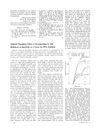
July 1967 in “Science” Decomposed tritiated thymidine is less accurate for DNA tracing, and hair changes can indicate malnutrition.
118 citations
,
December 2003 in “Mechanisms of Ageing and Development” Thymosin β4 helps heal wounds, grow hair, and improve blood vessel formation.
6 citations
,
January 2010 in “Journal of Biochemical and Molecular Toxicology” The ID2 gene can help distinguish between sensitizers and irritants in skin cells.
164 citations
,
February 2010 in “Journal of Cell Science” Human dermal stem cells can become functional skin pigment cells.
 5 citations
,
October 2015 in “The American journal of pathology”
5 citations
,
October 2015 in “The American journal of pathology” Mice with a mutated Dsg3 gene showed severe symptoms but not the typical blistering of pemphigus vulgaris.