Defective protein folding due to a mutation is key in ANE syndrome.
4 citations
,
January 2006 in “International Journal of Cosmetic Science” The method shows how hair lipids form specific patterns and their roles in hair structure.
 42 citations
,
October 2009 in “The journal of investigative dermatology/Journal of investigative dermatology”
42 citations
,
October 2009 in “The journal of investigative dermatology/Journal of investigative dermatology” Mutations in the KRT85 gene cause hair and nail problems.
 7 citations
,
March 2013 in “Tetrahedron Letters”
7 citations
,
March 2013 in “Tetrahedron Letters” New method makes important drug ingredients more easily without needing extra purification steps.
November 2022 in “Journal of Investigative Dermatology” NCSTN gene mutation causes abnormal skin cell differentiation and more inflammation, contributing to Hidradenitis Suppurativa.
13 citations
,
November 2007 in “Journal of Structural Biology” Keratin heterodimers are preferred for their specific and structural advantages.
53 citations
,
March 2006 in “Biopolymers” TTD hair is brittle due to fewer sulfur amino acids and unstable disulfide bonds.
 29 citations
,
October 2016 in “Cell death and differentiation”
29 citations
,
October 2016 in “Cell death and differentiation” ΔNp63α stops TAp73β from working in skin cancer by blocking its access to specific genes, not by directly interacting with it.
May 2026 in “Free Radical Biology and Medicine”  August 2016 in “Journal of Investigative Dermatology”
 Researchers found a new genetic mutation linked to a hair condition in a Japanese boy.
 April 2025 in “Journal of Skin and Stem Cell”
 PDRN from trout sperm helps skin and hair regeneration but is costly and complex to produce.
147 citations
,
August 2005 in “The Plant Cell” The TIP1 gene is crucial for normal plant cell growth in Arabidopsis.
 2 citations
,
January 2002 in “Hormone Research in Paediatrics”
2 citations
,
January 2002 in “Hormone Research in Paediatrics” Molecular diagnostics help identify genetic defects causing endocrine diseases, improving diagnosis and treatment options.
 April 2021 in “Journal of Investigative Dermatology”
 Stem cells control their future role by changing ERK signal timing, affecting tissue regeneration and cancer.
 September 2019 in “The journal of investigative dermatology/Journal of investigative dermatology”
 Mouse skin glands need healthy nerves to grow properly during hair growth phases.
 September 2019 in “The journal of investigative dermatology/Journal of investigative dermatology”
 Hair follicles repair 3D injuries using a 2D healing process.
 April 2021 in “Journal of Investigative Dermatology”
 Cyclooxygenase-2 overexpression in mice skin causes hair loss like human androgenetic alopecia.
 June 2007 in “Journal of Investigative Dermatology”
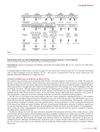
 Title change to "Central Centrifugal Cicatricial Alopecia (CCCA)"; common in African American women; hair-grooming methods may contribute; no effective therapy found; trials needed.
 56 citations
,
December 2011 in “The Plant Journal”
56 citations
,
December 2011 in “The Plant Journal” AGD1 is important for root hair development in Arabidopsis, working with phosphoinositide signaling and the actin cytoskeleton.
 6 citations
,
April 2021 in “Scientific Reports”
6 citations
,
April 2021 in “Scientific Reports” Phytochrome A is crucial for normal metabolism and development in tomato seedlings under far-red light.
 September 2025 in “International Journal of Cosmetic Science”
 Heat and UV exposure damage hair structure by altering keratins.
NuMA-microtubule interactions are vital for proper skin structure formation and function.
22 citations
,
November 2014 in “Proteins Structure Function and Bioinformatics” Cysteines in wool fibers are accessible and form important disulfide bonds.
January 2019 in “DSpace@MIT (Massachusetts Institute of Technology)” Higher PHGDH levels cause unusual melanin buildup in hair follicles.
6 citations
,
March 1996 in “Journal of Investigative Dermatology” January 2026 in “Molecular Nutrition & Food Research” Gynostemma pentaphyllum and Damulin B help prevent skin aging from UVB by reducing oxidative stress and improving skin health.
65 citations
,
February 2018 in “The Plant Journal” PLDζ2 and NPC4 have different roles in lipid changes and root hair growth in Arabidopsis under low phosphate, with PLDζ2 reducing root hair growth and NPC4 promoting it.
16 citations
,
October 2009 in “Xenobiotica” The tested hair dye ingredients do not form harmful oxidized metabolites in the liver.
January 2026 in “Journal of Radiation Research” 53BP1 focus analysis in hair cells can help estimate radiation doses.
 27 citations
,
June 2005 in “The journal of investigative dermatology/Journal of investigative dermatology”
27 citations
,
June 2005 in “The journal of investigative dermatology/Journal of investigative dermatology” The study found that variations in hair protein genes are likely due to evolutionary deletions or duplications.