21 citations
,
November 1980 in “PubMed” A new mite species was found in California sea lions, causing skin issues.
Alopecia areata causes patchy hair loss but hair can regrow on its own.
May 2025 in “BMC Genomics” Circ 0020938 slows down hair growth in cashmere goats.
 August 2010 in “Journal of The American Academy of Dermatology”
 The document explains the diagnosis and characteristics of woolly hair nevus and alopecia neoplastica.
 9 citations
,
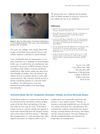
November 2013 in “Dermatologic Surgery”
9 citations
,
November 2013 in “Dermatologic Surgery” Hair transplant complications were likely due to deep graft placement and rough handling.
March 2025 in “International Journal of Trichology” Trichodaganomania involves biting one's hair and needs combined psychological and medical treatment.
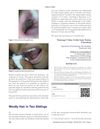 January 2012 in “International Journal of Trichology”
 Two siblings have a rare genetic condition causing curly, coarse hair.
 April 2026 in “Frontiers in Medicine”
 Farudodstat may help prevent hair loss in alopecia areata by stopping immune attacks on hair follicles.
58 citations
,
May 2004 in “British Journal of Dermatology” Diphenylcyclopropenone treatment helps hair growth in alopecia areata by promoting blood vessel growth and cell survival.
 5 citations
,
June 2015 in “Journal of Investigative Dermatology”
5 citations
,
June 2015 in “Journal of Investigative Dermatology” Feathers are useful for researching growth, regeneration, and the effects of treatments like chemotherapy on hair loss.
 January 2016 in “Human & Experimental Toxicology”
 A specific DNA sequence caused hair loss in male mice by activating immune cells and increasing a certain immune signal.
26 citations
,
October 2018 in “International journal of osteoarchaeology” Medieval people in Mallorca used ferns as medicine.
38 citations
,
September 1997 in “The journal of investigative dermatology/Journal of investigative dermatology” A mutation in mice causes hair loss and skin issues due to a defect in a gene affecting cell adhesion.
53 citations
,
July 2002 in “Journal of Investigative Dermatology” The Dfl mutation in mice causes poor sebaceous gland function and complete hair loss.
 2 citations
,
March 1997 in “Hair transplant forum international”
2 citations
,
March 1997 in “Hair transplant forum international” Transplanting rat whisker follicles can lead to successful hair growth after cutting them.
December 2025 in “British Journal of Dermatology” 5 citations
,
March 2025 in “Phytomedicine” Deoxyshikonin from Arnebiae Radix helps hair grow by activating a specific cell pathway.
January 2015 in “프로그램북(구 초록집)” Two patients with stubborn hair loss grew hair after PDRN injections.
 4 citations
,
October 2018 in “Experimental Dermatology”
4 citations
,
October 2018 in “Experimental Dermatology” Dermoscopy shows that diffuse alopecia areata progresses through specific hair growth stages.
 8 citations
,
April 2019 in “International journal of scientific research in biological science”
8 citations
,
April 2019 in “International journal of scientific research in biological science” Tridax procumbens is a widely used medicinal plant with many health benefits.
A black Doberman with hair loss improved partially with omega-3/omega-6 treatment.
12 citations
,
January 2013 in “Indian dermatology online journal” The document reports a unique case of woolly hair with a combination of conditions not previously seen together.
 February 2026 in “The Animal Biology”
 Hirudo verbana extract improves hair growth and wound healing in rats.
15 citations
,
July 2004 in “Journal of Wildlife Diseases” Ivermectin effectively treats hair loss syndrome in black-tailed deer.
 82 citations
,
March 2012 in “Development”
82 citations
,
March 2012 in “Development” Drosha and Dicer are essential for hair follicle health and preventing DNA damage in skin cells.
January 2021 in “대한미용학회지” Boswellia may improve skin inflammation symptoms and positively influence hair growth in mice.
 6 citations
,
February 2016 in “American Journal of Dermatopathology”
6 citations
,
February 2016 in “American Journal of Dermatopathology” The boy with woolly hair nevus had thinner hair and abnormal hair follicles, which improved with treatment but worsened when treatment stopped.
 February 2024 in “International Journal of Health and Pharmaceutical”
 Avemor, a natural tonic made from aloe vera and moringa, was less effective than minoxidil in promoting hair growth on rabbits.
May 2025 in “Biomedicine & Pharmacotherapy” Hyperbranched polymer dots significantly boost hair regrowth better than minoxidil.