 3 citations
,
January 2019 in “Journal of Cutaneous and Aesthetic Surgery”
3 citations
,
January 2019 in “Journal of Cutaneous and Aesthetic Surgery” Scalp and beard hair survive best in hair transplants, but the procedure needs high skill and takes longer.
 1 citations
,
November 1992 in “Indian Dermatology Online Journal”
1 citations
,
November 1992 in “Indian Dermatology Online Journal” FUE is a popular hair restoration method that uses body hair and leaves no scars.
 November 2015 in “Hair transplant forum international”
 Early attempts at using cloned cells for hair transplants failed, but 3D cell growth showed some promise.
November 2025 in “Journal of Investigative Dermatology” NUL-5 may boost hair growth by improving hair follicle health and structure.

Follicular unit extraction is safe and effective without bupivacaine and nerve blocks when using lignocaine with adrenaline.
December 2024 in “Likarska sprava” Both FUE and DHI techniques are effective for eyebrow transplantation, with high patient satisfaction.
Hair transplantation helps restore hair and improve appearance, especially for women.
 5 citations
,
September 1994 in “The Journal of Dermatologic Surgery and Oncology”
5 citations
,
September 1994 in “The Journal of Dermatologic Surgery and Oncology” Scalp lifting surgery can safely and effectively reduce baldness if done with careful planning and proper technique.
 January 2022 in “Sustainable development goals series”
 The document concludes that significant investment in agricultural innovation is necessary to achieve global food security and nutrition.
The robotic system for hair restoration surgery works well, giving similar results to manual techniques after 9 months.
 January 2017 in “Journal of Plastic Reconstructive and Aesthetic Surgery”
 The authors suggest using scalp hair follicles for beard reconstruction to improve results and reduce surgery time and patient discomfort.
 March 2013 in “Revista Brasileira de Cirurgia Plástica”
 Using platelet growth factors can improve hair density in transplants, especially for those with fine hair.
 June 2020 in “Aesthetic Surgery Journal”
 Estradiol-rich plasma can increase hair density faster and more effectively in male pattern baldness treatment than regular plasma.
Human scalp hair follicles have PGE2 and its receptors, which might affect hair growth.
research Hair
May 1995 in “Dermatologic Surgery” Smaller hair grafts in transplants offer better cosmetic results and more styling options, but challenges like thinning and limited coverage remain.
 8 citations
,
July 1984 in “The Journal of Dermatologic Surgery and Oncology”
8 citations
,
July 1984 in “The Journal of Dermatologic Surgery and Oncology” A new suturing technique for hair transplant donor sites leads to better scarring and allows more grafts to be taken.
 7 citations
,
January 2013 in “Indian Journal of Plastic Surgery”
7 citations
,
January 2013 in “Indian Journal of Plastic Surgery” Body and beard hair can be used for hair transplants in baldness treatment but keep their original color and curl.
 6 citations
,
May 2004 in “Dermatologic Surgery”
6 citations
,
May 2004 in “Dermatologic Surgery” The article concludes that using the single-scar technique for hair transplants can result in a more attractive scar and that concerns about the technique can be managed with proper methods.
 2 citations
,
August 2013 in “Facial Plastic Surgery Clinics of North America”
2 citations
,
August 2013 in “Facial Plastic Surgery Clinics of North America” The conclusion is that careful planning and technique in hair transplant surgery are crucial for successful graft harvesting and minimizing scars, with proper aftercare to avoid complications.
Transplanting beard hair into a scalp wound after hair transplant surgery improves scar appearance and hair keeps its normal traits.
 28 citations
,
July 2011 in “Journal of Plastic Reconstructive and Aesthetic Surgery”
28 citations
,
July 2011 in “Journal of Plastic Reconstructive and Aesthetic Surgery” A patient had skin tissue death at the hair removal site after a hair transplant, which was treated with surgery.
 3 citations
,
August 2011 in “InTech eBooks”
3 citations
,
August 2011 in “InTech eBooks” The document concludes that skin grafts are essential for repairing tissue loss, with various types available and ongoing research into substitutes to improve outcomes and reduce donor site issues.
 June 1997 in “The American Journal of Cosmetic Surgery”
 Reharvesting hair from donor sites using punch and strip methods can provide more hair for transplants and improve scar appearance.
 10 citations
,
May 2012 in “Journal of Plastic Reconstructive and Aesthetic Surgery”
10 citations
,
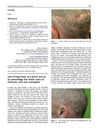
May 2012 in “Journal of Plastic Reconstructive and Aesthetic Surgery” Beard hair can effectively hide hair transplant scars.
 9 citations
,
December 1984 in “The Journal of Dermatologic Surgery and Oncology”
9 citations
,
December 1984 in “The Journal of Dermatologic Surgery and Oncology” Layered suture closure for hair transplant donor sites results in smaller scars and easier future harvesting but takes more time and may temporarily increase hair shedding.
 7 citations
,
August 2015 in “Dermatologic Surgery”
7 citations
,
August 2015 in “Dermatologic Surgery” The cross beam laser is a useful tool for safely measuring scalp stretchiness to improve hair transplant results.
 1 citations
,
July 2021 in “Aesthetic Plastic Surgery”
1 citations
,
July 2021 in “Aesthetic Plastic Surgery” The new triangular flag-shaped design for incisions in hair transplant surgery provides better hair alignment and cosmetic appearance without extra scarring, especially for patients with specific hair directions.
 1 citations
,
September 2016 in “Indian Journal of Plastic Surgery”
1 citations
,
September 2016 in “Indian Journal of Plastic Surgery” The new hair follicle harvesting technique improves hair transplant results and makes the procedure quicker and easier to learn.
 January 2014 in “Journal of Cutaneous and Aesthetic Surgery”
 The document suggests that for better patient satisfaction in hair transplants, high-quality photos are needed, and using a narrow donor strip might lead to fewer grafts and dissatisfaction, but filling the scar with FUE grafts and using tranexamic acid can improve results.
 6 citations
,
September 1997 in “Dermatologic Surgery”
6 citations
,
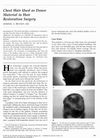
September 1997 in “Dermatologic Surgery” Chest hair can be used for scalp hair transplants when there's not enough scalp hair.