 January 2024 in “Advances in Cosmetic Surgery”
 Robotic hair restoration is a safe, efficient alternative to manual hair transplant, best for men with dark, thick hair and skin, requiring sufficient donor hair and postoperative care.
 17 citations
,
January 1996 in “Aesthetic Plastic Surgery”
17 citations
,
January 1996 in “Aesthetic Plastic Surgery” The tumescent technique improves hair micrografting by providing lasting anesthesia, reducing bleeding, and increasing patient comfort.
 8 citations
,
January 1998 in “Journal of Cutaneous Medicine and Surgery”
8 citations
,
January 1998 in “Journal of Cutaneous Medicine and Surgery” Hair transplantation is effective for baldness, with new methods improving results, but staying updated is crucial for patient outcomes.
 November 2002 in “Dermatologic Surgery”
 Scalp reduction gives the most natural result for significant crown baldness, despite potential complications, and a systematic approach to surgical hair restoration results in few complications and high graft survival.
 27 citations
,
November 2008 in “Facial Plastic Surgery”
27 citations
,
November 2008 in “Facial Plastic Surgery” Follicular Unit Extraction is a less invasive hair transplant method with potential for natural results but has challenges like longer surgery time and higher cost.
 March 2000 in “Aesthetic Surgery Journal”
 Hair transplantation techniques have improved and are beneficial for aesthetic surgery practices.
 September 2018 in “Research in medical & engineering sciences”
 The author was scammed by a marketing company and discussed a man scammed by a clinic that provided poor hair transplants, leading to bad results and scarring.
 February 2002 in “Dermatologic Surgery”
 Best hair transplant results happen when tissues are least damaged.
 5 citations
,
May 2004 in “Dermatologic Surgery”
5 citations
,
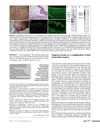
May 2004 in “Dermatologic Surgery” A hair restoration technique was introduced that mixes different types of hair groupings to reduce procedure time, limit damage, and potentially increase hair density, suggesting more hair can be transplanted than previously thought.
 2 citations
,
November 2012 in “European Journal of Dermatology”
2 citations
,
November 2012 in “European Journal of Dermatology” Hair transplant surgery may cause alopecia areata, a new possible complication.
 2 citations
,
April 2000 in “Plastic and Reconstructive Surgery”
2 citations
,
April 2000 in “Plastic and Reconstructive Surgery” Dr. Vogel improved hair restoration by reducing and recycling hair plugs, achieving a more natural look and a 50-80% survival rate for replanted follicles. He emphasized understanding natural hair loss patterns, educating patients about alopecia, and refusing to operate on those who don't understand these aesthetics.
 May 1994 in “Facial Plastic Surgery Clinics of North America”
 Choose the right patients and plan carefully for successful hair replacement surgery.
17 citations
,
January 2018 in “Journal of cutaneous and aesthetic surgery” The article discusses debates on hair transplant techniques, safe donor areas, PRP use, and practitioner qualifications in hair restoration.
 14 citations
,
July 2009 in “Current Opinion in Otolaryngology & Head and Neck Surgery”
14 citations
,
July 2009 in “Current Opinion in Otolaryngology & Head and Neck Surgery” Hair restoration techniques like follicular unit transplant surgery and follicular unit extraction are effective, with ideal graft placement density between 20-30 units per cm². Medications like Minoxidil and Finasteride can help maintain and regrow hair.
88 citations
,
January 2010 in “Escritura pública” A combined strip and FUE method with careful planning improves hair restoration results.
 7 citations
,
June 2004 in “Dermatologic Surgery”
7 citations
,
June 2004 in “Dermatologic Surgery” A new hair transplant method combines individual and group follicles for better results and efficiency.
 32 citations
,
July 2011 in “Facial Plastic Surgery”
32 citations
,
July 2011 in “Facial Plastic Surgery” New hair transplant methods offer more natural results and better graft survival, with ongoing research to increase donor hair options.
January 2006 in “Journal of North Sichuan Medical College” Hair transplant techniques improved, but cell therapy showed promise despite challenges.
 November 2015 in “Hair transplant forum international”
 Early attempts at using cloned cells for hair transplants failed, but 3D cell growth showed some promise.
 7 citations
,
October 2011 in “International Surgery”
7 citations
,
October 2011 in “International Surgery” In 2011, hair restoration was a specialized field in plastic surgery, using techniques like "Ultrarefined follicular unit hair transplantation" to minimize scarring and promote hair growth, with future treatments like stem cell therapy and hair cloning still being tested.
 22 citations
,
January 2017 in “Indian Dermatology Online Journal”
22 citations
,
January 2017 in “Indian Dermatology Online Journal” Body hair transplants can treat baldness but differ from scalp hair and need more research on long-term results and side effects.
 March 2013 in “Revista Brasileira de Cirurgia Plástica”
 Using platelet growth factors can improve hair density in transplants, especially for those with fine hair.
2 citations
,
September 2023 in “Journal of clinical medicine” Scalp skin grafts effectively cover lower limb defects with high success and minimal complications.
26 citations
,
January 2016 in “Journal of cutaneous and aesthetic surgery” Hair transplant combining scalp and beard hair with PRP was successful for scarring alopecia.
 1 citations
,
November 1992 in “Indian Dermatology Online Journal”
1 citations
,
November 1992 in “Indian Dermatology Online Journal” FUE is a popular hair restoration method that uses body hair and leaves no scars.
27 citations
,
September 2017 Pubic hair transplantation can improve self-esteem in those with sparse pubic hair.
 4 citations
,
September 2019 in “Journal of Cosmetic Dermatology”
4 citations
,
September 2019 in “Journal of Cosmetic Dermatology” FUE megasession effectively treats severe hair loss with natural-looking results in one operation.
 1 citations
,
September 2015 in “Aesthetic Surgery Journal”
1 citations
,
September 2015 in “Aesthetic Surgery Journal” Dr. Umar successfully used softer hair from the nape and around the ear for natural-looking hairlines in 128 patients, with some concerns about hair loss over time.
Combining FUT and FUE techniques improves hair transplant results for severe baldness in Asians.
Hair transplantation can effectively restore hair in stabilized hair loss cases.