September 2025 in “Molecules” Camellia oleifera leaves have compounds beneficial for cosmetics and medicine.
August 2025 in “Journal of Polymer Science” AcD scaffolds improve tissue repair and regeneration by combining stem cells with a supportive matrix.
August 2025 in “Biomaterials” A new therapy using secretions from fetal cartilage cells shows promise for safe and effective hair regrowth.
Stem cell treatments show promise for improving skin and hair, but need more research and standardization.
 May 2025 in “International Journal of Molecular Sciences”
 Exosomes from rat hair follicle stem cells may help heal wounds and regenerate skin.
April 2025 in “Journal of Biophotonics” PBM therapy improves mitochondrial function and promotes tissue regeneration in dental pulp stem cells.
 April 2025 in “Pharmaceutics”
 Oil A formulation with Baricitinib shows promise for treating alopecia areata by promoting hair growth.
 March 2025 in “Stem Cell Research & Therapy”
 A new microneedle treatment could effectively regrow hair in androgenic alopecia.
 January 2025 in “Burns & Trauma”
 Titanium dioxide nanoparticles can help heal wounds faster and better.
April 2024 in “Biomolecules” Exosomal miRNAs from stem cells can help improve skin health and delay aging.
 January 2024 in “International Journal of Trichology”
 Human platelet-rich plasma is better than fetal bovine serum for growing cells that help hair regrow.
 October 2023 in “Bioactive Materials”
 The new hair loss treatment combining nitric oxide and minoxidil in a special carrier is effective for hair regrowth.

Peptide hydrogels show promise for healing skin, bone, and nerves but need improvement in stability and compatibility.
 August 2023 in “Bioengineering”
 Bioprinting could greatly improve health outcomes but faces challenges like material choice and ensuring long-term survival of printed tissues.
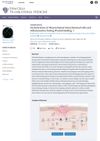 July 2023 in “Stem Cells Translational Medicine”
 Mesenchymal Stem/Stromal Cells (MSCs) help in wound healing and tissue regeneration, but can also contribute to tumor growth. They show promise in treating chronic wounds and certain burns, but their full healing mechanisms and potential challenges need further exploration.
 May 2023 in “Aesthetic Plastic Surgery”
 The document concludes that there are various surgical techniques for hair restoration, their success depends on the surgeon's skill, patient's health, and quality of donor hair, and they can potentially improve the mental well-being of those with hair loss.
 April 2023 in “Dentistry”
 Baby teeth stem cells can potentially grow organs and treat diseases.
November 2022 in “IntechOpen eBooks” Nanotechnology can improve wound healing by enhancing treatments and dressings.
115 citations
,
August 2020 in “International Journal of Molecular Sciences” A PRP concentration of 1.0 × 10^6 plt/μL is best for tissue repair.
90 citations
,
October 2023 in “Advanced Drug Delivery Reviews” Controlling inflammation can help heal diabetic foot ulcers.
50 citations
,
December 2017 in “British Journal of Dermatology” Different skin cells produce unique materials, which can improve skin substitutes for healing.
39 citations
,
March 2022 in “Nature Protocols” Scientists created hair-growing skin models from stem cells, which could help treat hair loss and skin diseases.
24 citations
,
August 2021 in “Scientific Reports” Non-thermal plasma could help hair growth by activating key cell signals.
14 citations
,
May 2022 in “International Journal of Molecular Sciences” Platelet-rich plasma improves bladder function and reduces overactivity in ketamine-induced bladder issues.
13 citations
,
April 2025 in “International Journal of Nanomedicine” The new gallic acid hydrogel speeds up wound healing and reduces scarring.
4 citations
,
December 2022 in “Cells” Engineered nanovesicles from fibroblasts may help treat hair loss by promoting hair growth.
Understanding hair follicle interactions can help treat male pattern baldness.
 2 citations
,
May 2023 in “International Journal of Molecular Sciences”
2 citations
,
May 2023 in “International Journal of Molecular Sciences” The TRPV3 ion channel is important for skin and hair health and could be a target for treating skin conditions.
 1 citations
,
April 2022 in “Regenerative Therapy”
1 citations
,
April 2022 in “Regenerative Therapy” Activating the GDNF-GFRα1-RET signaling pathway could potentially promote skin and limb regeneration in humans and could be used to treat hair loss and promote wound healing.
 April 2026 in “Pharmaceutics”
 Cellulose-based skin dressings show promise for wound healing but need more research and clinical trials.