 10 citations
,
December 1997 in “Plastic and Reconstructive Surgery”
10 citations
,
December 1997 in “Plastic and Reconstructive Surgery” Hair restoration surgery has improved with better techniques for natural looks and managing patient expectations, but it remains labor-intensive and requires careful consideration of potential complications.
 2 citations
,
September 2007
2 citations
,
September 2007 Surgical hair restoration involves moving hair from a non-balding area to a balding area, with the transplanted hair not subject to male pattern baldness. Medications can slow hair loss and regrow some hair, but successful treatment needs careful planning, skill, and ethical responsibility due to progressive hair loss and limited donor hair.
 2 citations
,
January 2001 in “Dermatologic Surgery”
2 citations
,
January 2001 in “Dermatologic Surgery” Poliglecaprone 25 is better than steel staples for hair transplant surgery, causing less discomfort and finer scars.
 2 citations
,
October 1997 in “Dermatologic Clinics”
2 citations
,
October 1997 in “Dermatologic Clinics” The document concludes that advancements in hair restoration surgery have led to more natural results and patient satisfaction, with hope for future improvements in treatment.
 1 citations
,
July 2017 in “Hair transplant forum international”
1 citations
,
July 2017 in “Hair transplant forum international” Scalp laxity, elasticity, and glidability are important in hair transplants and can predict scar width at the donor site.
 August 2014 in “Plastic Surgery”
 Dr. WP Unger suggested that traditional strip harvesting might be better for hair transplants than Follicular Unit Extraction due to higher hair survival rates and less risk of a patchy look at the donor site.
 January 2012 in “Elsevier eBooks”
 Hair transplantation is highly effective with careful technique and attention to patient needs.
 May 1993 in “Medical Clinics of North America”
 Surgical hair replacement is a viable option for male pattern baldness when done with proper planning and realistic expectations.
 February 2002 in “Dermatologic Surgery”
 Best hair transplant results happen when tissues are least damaged.
 1 citations
,
January 2010 in “DOAJ (DOAJ: Directory of Open Access Journals)”
1 citations
,
January 2010 in “DOAJ (DOAJ: Directory of Open Access Journals)” Hair transplantation surgery has improved, becoming more popular and efficient, but patient dissatisfaction remains due to unrealistic expectations.

Local flaps are effective for covering small to large scalp and forehead defects with good cosmetic results.

The conclusion is that closing scalp wounds is possible, but restoring hair without donor material is still a major challenge.
 32 citations
,
July 2011 in “Facial Plastic Surgery”
32 citations
,
July 2011 in “Facial Plastic Surgery” New hair transplant methods offer more natural results and better graft survival, with ongoing research to increase donor hair options.
 10 citations
,
May 2012 in “Journal of Plastic Reconstructive and Aesthetic Surgery”
10 citations
,
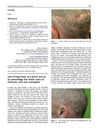
May 2012 in “Journal of Plastic Reconstructive and Aesthetic Surgery” Beard hair can effectively hide hair transplant scars.
 7 citations
,
September 2017 in “Journal der Deutschen Dermatologischen Gesellschaft”
7 citations
,
September 2017 in “Journal der Deutschen Dermatologischen Gesellschaft” Occipital donor sites for skin grafts heal faster, hurt less, look better, and have fewer complications than femoral sites.
 6 citations
,
September 1997 in “Dermatologic Surgery”
6 citations
,
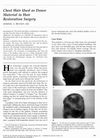
September 1997 in “Dermatologic Surgery” Chest hair can be used for scalp hair transplants when there's not enough scalp hair.
 July 2007 in “Clinical Risk”
 The claimant sued for negligence after a hair treatment caused harm and distress, and the defendant responded after legal action started.
 28 citations
,
August 2013 in “Facial Plastic Surgery Clinics of North America”
28 citations
,
August 2013 in “Facial Plastic Surgery Clinics of North America” Body and beard hair can be used for hair restoration in severely bald patients, but the technique is complex and costly.
 7 citations
,
October 2011 in “International Surgery”
7 citations
,
October 2011 in “International Surgery” In 2011, hair restoration was a specialized field in plastic surgery, using techniques like "Ultrarefined follicular unit hair transplantation" to minimize scarring and promote hair growth, with future treatments like stem cell therapy and hair cloning still being tested.
 November 2002 in “Dermatologic Surgery”
 Scalp reduction gives the most natural result for significant crown baldness, despite potential complications, and a systematic approach to surgical hair restoration results in few complications and high graft survival.
17 citations
,
January 2018 in “Journal of cutaneous and aesthetic surgery” The article discusses debates on hair transplant techniques, safe donor areas, PRP use, and practitioner qualifications in hair restoration.
 10 citations
,
August 2023 in “Advanced Science”
10 citations
,
August 2023 in “Advanced Science” Nitric Oxide has potential in medicine, especially for infections and heart treatments, but its short life and delivery challenges limit its use.
 September 2006 in “Plastic and Reconstructive Surgery”
 The SGAP flap effectively treats large sacral pressure sores with good results and minimal complications.
Stem cells can improve skin grafts by enhancing blood flow and hair growth.
 37 citations
,
September 2014 in “Plastic and Reconstructive Surgery”
37 citations
,
September 2014 in “Plastic and Reconstructive Surgery” Combining microsurgery with craniofacial reconstruction improves aesthetic results and reduces harm to the area where tissue is taken from.
 7 citations
,
August 2015 in “Journal der Deutschen Dermatologischen Gesellschaft”
7 citations
,
August 2015 in “Journal der Deutschen Dermatologischen Gesellschaft” Scalp-to-scalp skin grafts quickly heal and hide well under regrown hair, making them good for repairing large scalp defects.
 18 citations
,
March 2018 in “Archives of Plastic Surgery”
18 citations
,
March 2018 in “Archives of Plastic Surgery” The superficial temporal artery flap is a reliable method for reconstructing complex facial defects with minimal complications.
 14 citations
,
January 2021 in “Scientific Reports”
14 citations
,
January 2021 in “Scientific Reports” Using micro skin tissue columns improves skin wound healing and reduces scarring.
 9 citations
,
February 2013 in “Plastic and Reconstructive Surgery”
9 citations
,
February 2013 in “Plastic and Reconstructive Surgery” The article explains how to rebuild parts of the head and face and how to transplant hair to cover scars, highlighting the need for careful planning and choosing the right method for each patient.
 9 citations
,
May 2012 in “Journal of Craniofacial Surgery”
9 citations
,
May 2012 in “Journal of Craniofacial Surgery” Submental tissue is good for repairing mouth area skin with minimal scarring and good cosmetic results.