1 citations
,
November 2024 in “Blood” PI3Kδ inhibition may effectively treat cutaneous chronic graft-versus-host disease.
 4 citations
,
July 2014 in “Journal of Investigative Dermatology”
4 citations
,
July 2014 in “Journal of Investigative Dermatology” Old people have less hair because their hair follicles don't regenerate as well, not because of fewer stem cells, and a protein called follistatin might help reactivate hair growth.
 6 citations
,
June 2016 in “Journal of Craniofacial Surgery”
6 citations
,
June 2016 in “Journal of Craniofacial Surgery” Reconstructing lower face gunshot injuries with a fibula and scalp flap is effective and gives good long-term results.
 5 citations
,
June 2019 in “British Journal of Dermatology”
5 citations
,
June 2019 in “British Journal of Dermatology” Tofacitinib was more effective than apremilast in treating hair loss in a mouse model of alopecia areata.
 5 citations
,
May 2005 in “Seminars in Plastic Surgery”
5 citations
,
May 2005 in “Seminars in Plastic Surgery” The document concludes that correcting poor hair transplants requires a careful plan and a mix of techniques to achieve a natural look and address various challenges.
 3 citations
,
October 2010 in “Dermatologic Surgery”
3 citations
,
October 2010 in “Dermatologic Surgery” The new surgical technique for vitiligo is effective, safe, and cost-efficient.
 25 citations
,
March 2009 in “Dermatologic Surgery”
25 citations
,
March 2009 in “Dermatologic Surgery” Eyebrow transplantation can be successful for Asians with the right technique and care, but regular maintenance is necessary.
 16 citations
,
July 2007 in “Facial Plastic Surgery Clinics of North America”
16 citations
,
July 2007 in “Facial Plastic Surgery Clinics of North America” The document suggests using fat grafting and laser therapy to improve the aging Asian face and hair restoration techniques tailored to Asian hair characteristics, emphasizing natural results and cultural sensitivity.
 2 citations
,
January 1985 in “Facial Plastic Surgery”
2 citations
,
January 1985 in “Facial Plastic Surgery” The paper concludes that for natural-looking hair restoration, it's important to create an irregular hairline, use appropriately sized and angled grafts, and ensure a snug fit between grafts and recipient sites.
 January 2010 in “Springer eBooks”
 Pubic hair transplantation can help women with little to no pubic hair, using scalp hair for a natural look and requires careful aftercare.
46 citations
,
August 2012 in “Experimental Dermatology” Engineered skin can grow chimeric hair follicles only with mouse dermal papilla cells.
 256 citations
,
October 2013 in “Proceedings of the National Academy of Sciences of the United States of America”
256 citations
,
October 2013 in “Proceedings of the National Academy of Sciences of the United States of America” Growing human skin cells in a 3D environment can stimulate new hair growth.
 184 citations
,
December 2018 in “Nature Communications”
184 citations
,
December 2018 in “Nature Communications” Researchers created human hair follicles using a new method that could help treat hair loss.
46 citations
,
October 2023 in “Science Advances” 3D bioprinting can now create skin with hair-like structures for medical use.
 44 citations
,
July 2016 in “Stem Cells Translational Medicine”
44 citations
,
July 2016 in “Stem Cells Translational Medicine” Scientists discovered that certain stem cells from mice and humans can be used to grow new hair follicles and skin glands when treated with a special mixture.
 8 citations
,
February 2016 in “The American Journal of Dermatopathology”
8 citations
,
February 2016 in “The American Journal of Dermatopathology” Hair transplants can make hair follicles larger and hair shafts thicker.
 11 citations
,
August 2013 in “Facial Plastic Surgery Clinics of North America”
11 citations
,
August 2013 in “Facial Plastic Surgery Clinics of North America” New cell-based therapies may improve hair loss treatments in the future.
4 citations
,
October 2015 in “JAAD Case Reports” Surgical grafting may fix nail issues caused by valproic acid.
 January 2017 in “Journal of Plastic Reconstructive and Aesthetic Surgery”
 The authors suggest using scalp hair follicles for beard reconstruction to improve results and reduce surgery time and patient discomfort.
 14 citations
,
March 2019 in “Facial Plastic Surgery Clinics of North America”
14 citations
,
March 2019 in “Facial Plastic Surgery Clinics of North America” Hair transplantation can help transgender patients affirm their gender identity.
 10 citations
,
August 2015 in “Journal of Cosmetic Dermatology”
10 citations
,
August 2015 in “Journal of Cosmetic Dermatology” Successful eyebrow restoration can be done using careful hair transplant techniques and choosing the right patients.
 8 citations
,
January 1998 in “Journal of Cutaneous Medicine and Surgery”
8 citations
,
January 1998 in “Journal of Cutaneous Medicine and Surgery” Hair transplantation is effective for baldness, with new methods improving results, but staying updated is crucial for patient outcomes.
 7 citations
,
October 2011 in “International Surgery”
7 citations
,
October 2011 in “International Surgery” In 2011, hair restoration was a specialized field in plastic surgery, using techniques like "Ultrarefined follicular unit hair transplantation" to minimize scarring and promote hair growth, with future treatments like stem cell therapy and hair cloning still being tested.
 6 citations
,
August 2003 in “Aesthetic Surgery Journal”
6 citations
,
August 2003 in “Aesthetic Surgery Journal” Hair restoration using micrografts and minigrafts can provide natural-looking hair without scars and good density in 1 or 2 sessions.
 2 citations
,
November 2012 in “European Journal of Dermatology”
2 citations
,
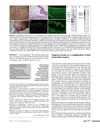
November 2012 in “European Journal of Dermatology” Hair transplant surgery may cause alopecia areata, a new possible complication.
 January 2017 in “International journal of transplantation & plastic surgery”
 Hair restoration techniques have improved over time, focusing on better results and less scarring, but skilled doctors are essential for natural-looking outcomes.
 January 2010 in “Elsevier eBooks”
 Hair transplantation is a treatment for hair loss mainly caused by genetics, with various techniques and potential complications, and results visible after 8-12 months.
 November 2023 in “The journal of investigative dermatology/Journal of investigative dermatology”
 The article concludes that creating a detailed map of normal human skin at the single-cell level is important.
 October 2001 in “Dermatologic Surgery”
 Cutting and implanting hair follicles can create finer, more natural-looking hairlines, with about half of the implanted hairs growing back.
 August 2023 in “International Journal of Molecular Sciences”
 Human skin xenografting could improve our understanding of skin development, renewal, and healing.