 4 citations
,
January 2012 in “International Society of Hair Restoration Surgery”
4 citations
,
January 2012 in “International Society of Hair Restoration Surgery” Combining FUE and strip surgery increases hair harvested in one session and keeps options open for future transplants.
 153 citations
,
August 2002 in “Dermatologic Surgery”
153 citations
,
August 2002 in “Dermatologic Surgery” Follicular Unit Extraction (FUE) is a less invasive hair transplant method with minimal scarring, suitable for about 60% of patients, especially those needing fewer grafts and quicker recovery.
 2 citations
,
January 2001 in “Dermatologic Surgery”
2 citations
,
January 2001 in “Dermatologic Surgery” Poliglecaprone 25 is better than steel staples for hair transplant surgery, causing less discomfort and finer scars.
 52 citations
,
February 2012 in “Plastic Surgery International”
52 citations
,
February 2012 in “Plastic Surgery International” Skin grafting is a key procedure for repairing skin defects, with the success depending on the right graft choice, donor site management, and aftercare.
 February 2002 in “Dermatologic Surgery”
 Best hair transplant results happen when tissues are least damaged.
 4 citations
,
November 2016 in “Hair transplant forum international”
4 citations
,
November 2016 in “Hair transplant forum international” Only about 14% of hair follicles can be safely removed in hair transplants without affecting the surrounding area.
 12 citations
,
April 2020 in “Facial Plastic Surgery Clinics of North America”
12 citations
,
April 2020 in “Facial Plastic Surgery Clinics of North America” Hair transplant complications are rare with good planning and technique, but risks include infection, bleeding, and patient dissatisfaction.
 5 citations
,
September 1998 in “Atlas of the oral and maxillofacial surgery clinics of North America”
5 citations
,
September 1998 in “Atlas of the oral and maxillofacial surgery clinics of North America” Hair transplantation and micrografting, used for baldness, involve moving hair follicles from hair-rich to bald areas, requiring careful procedure and post-care for success.
 1 citations
,
October 2018 in “European Journal of Plastic Surgery”
1 citations
,
October 2018 in “European Journal of Plastic Surgery” The study found that hair transplant complications are rare, with swelling being the most common issue.
December 2024 in “Journal of Clinical Medicine” Assessing blood flow can improve skin graft success.
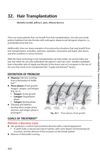 January 2018 in “Georg Thieme Verlag eBooks”
 Hair transplantation is a surgical procedure to move hair to bald areas, requires good donor hair, and results show in about a year.
 7 citations
,
December 2022 in “Frontiers in Bioengineering and Biotechnology”
7 citations
,
December 2022 in “Frontiers in Bioengineering and Biotechnology” Extracellular vesicles show promise for wound healing, but more research is needed to improve their stability and production.
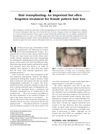 43 citations
,
October 2003 in “Journal of The American Academy of Dermatology”
43 citations
,
October 2003 in “Journal of The American Academy of Dermatology” Hair transplanting is a useful, often overlooked treatment for female pattern hair loss.
 41 citations
,
August 2013 in “Facial Plastic Surgery Clinics of North America”
41 citations
,
August 2013 in “Facial Plastic Surgery Clinics of North America” FUE provides minimal scarring and quick recovery in hair transplantation, and surgeons not using it may lag in technology.
 40 citations
,
January 2009 in “Skin Pharmacology and Physiology”
40 citations
,
January 2009 in “Skin Pharmacology and Physiology” Fetal cells could improve skin repair with minimal scarring and are a potential ready-to-use solution for tissue engineering.
 13 citations
,
November 2018 in “Annals of Plastic Surgery”
13 citations
,
November 2018 in “Annals of Plastic Surgery” Nonshaven follicular unit extraction is a good hair transplant option that doesn't require shaving and can transplant up to 3000 grafts daily.
 5 citations
,
March 1985 in “Head & Neck Surgery”
5 citations
,
March 1985 in “Head & Neck Surgery” Combining scalp reduction and hair transplants improves coverage and appearance for male baldness.
 3 citations
,
February 2021 in “Journal of Cosmetic Dermatology”
3 citations
,
February 2021 in “Journal of Cosmetic Dermatology” Long hair FUE, a hair transplant without shaving, is becoming more popular and surgeons should learn it.
 2 citations
,
June 2012 in “Journal of Cosmetic Dermatology”
2 citations
,
June 2012 in “Journal of Cosmetic Dermatology” Hair transplant using beard hair made acne scars on cheeks less visible with minimal scarring in the donor area.
 September 2017 in “Springer eBooks”
 FUE hair transplants have improved to give more natural results with less scarring and pain.
 November 2002 in “Dermatologic Surgery”
 Scalp reduction gives the most natural result for significant crown baldness, despite potential complications, and a systematic approach to surgical hair restoration results in few complications and high graft survival.
 7 citations
,
November 2017 in “Plastic and reconstructive surgery. Global open”
7 citations
,
November 2017 in “Plastic and reconstructive surgery. Global open” FUE and SMP together can effectively treat hair loss, needing fewer procedures.
 3 citations
,
May 2006 in “Dermatologic Surgery”
3 citations
,
May 2006 in “Dermatologic Surgery” Most men's multi-hair follicles naturally stand perpendicular to a line from the top of their head, which is important for natural-looking hair transplants.
 3 citations
,
October 2023 in “Military Medical Research/Military medical research”
3 citations
,
October 2023 in “Military Medical Research/Military medical research” Regulatory T cells help heal skin and grow hair, and their absence can lead to healing issues and hair loss.
 28 citations
,
August 2013 in “Facial Plastic Surgery Clinics of North America”
28 citations
,
August 2013 in “Facial Plastic Surgery Clinics of North America” Body and beard hair can be used for hair restoration in severely bald patients, but the technique is complex and costly.
 September 2025 in “Journal of Dermatology Research and Therapy”
 Verteporfin with dermal wounding may boost hair regrowth in thinning areas but not in bald spots.
 8 citations
,
April 2020 in “Facial Plastic Surgery Clinics of North America”
8 citations
,
April 2020 in “Facial Plastic Surgery Clinics of North America” Follicular Unit Transplantation is a reliable hair restoration method with a high success rate and minimal scarring.
 1 citations
,
January 2014 in “Archives of Aesthetic Plastic Surgery”
1 citations
,
January 2014 in “Archives of Aesthetic Plastic Surgery” The FUE technique is effective for Asian female hairline restoration with benefits like no scar and short recovery time.
June 2021 in “Cosmoderma” Hair transplantation techniques have improved, making the process safer and more effective with less visible scarring.
17 citations
,
January 2018 in “Journal of cutaneous and aesthetic surgery” The article discusses debates on hair transplant techniques, safe donor areas, PRP use, and practitioner qualifications in hair restoration.