 May 2019 in “The Journal of Sexual Medicine”
 Drinking alcohol before taking flibanserin does not increase the risk of severe low blood pressure or fainting.
 May 2019 in “The Journal of Sexual Medicine”
 Flibanserin's effectiveness for low sexual desire in premenopausal women may vary based on hormone levels, with normal hormone levels showing better responses.
 January 2019 in “Oncogen”
 Triple Hormonal Blockade (ADT3) can effectively manage prostate cancer but requires careful monitoring for heart risks.
 January 2019 in “Springer eBooks”
 Some chemicals and drugs can cause hair loss, which usually grows back after stopping the treatment.
 July 2018 in “Elsevier eBooks”
 Some drugs can cause reversible hair loss, but certain chemotherapy drugs may lead to permanent hair loss; drugs can also change hair color and texture.
 July 2017 in “Clin-Alert”
 Different medications can cause serious side effects in some people.
 January 2017 in “Elsevier eBooks”
 Stress and hormones like progesterone can affect absence seizures, but their effects change with different life stages.
 January 2017 in “Elsevier eBooks”
 Antioxidants may help improve mitochondrial health and could be used to treat diseases related to cell damage.

The conclusion is that endocrinology significantly impacts medicine with various common medications used for treatment.
 October 2015 in “Elsevier eBooks”
 Minoxidil is effective for hair growth and safe for long-term use.
 September 2014 in “Springer eBooks”
 Aging causes hair to gray and thin, with the timing of graying varying by race, and factors like oxidative stress and genetics can lead to hair loss.
 August 2014 in “Warwick Research Archive Portal (University of Warwick)”
 Obesity negatively affects the endometrium, leading to higher miscarriage risk and impaired cell function.
 March 2014 in “Human Physiology”
 DHEA improved brain function and behavior in old monkeys and had additional health benefits.

The document concludes that accurate diagnosis and management of PCOS are crucial due to its associated health risks.
 April 2012 in “Informa Healthcare eBooks”
 Telogen effluvium is a common hair loss condition where many hairs enter the resting phase, often not noticeable until significant loss occurs, and treatment focuses on the underlying cause.
 December 2011 in “Asia-Pacific biotech news”
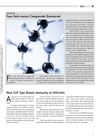
 In 2011, there were major scientific breakthroughs in cancer treatment, immunity, Parkinson's, virus simulation, schizophrenia, hair growth, lung cancer, and medical grafts.
 November 2010 in “Clin-Alert”
 Monitoring for adverse effects in clinical treatments is crucial.
 October 2008 in “Clin-alert”
 Certain medications can reduce mortality risk in COPD patients, but others can increase risks of cardiovascular issues, postoperative delirium, and other adverse effects.
 July 2008 in “Biomedical Imaging and Intervention Journal”
 New cancer treatments are more precise and less toxic, improving survival rates, but Asia faces challenges in adopting these advancements.
 December 2006 in “The Brown University Psychopharmacology Update”
 Second-generation antipsychotics offer no significant benefit over first-generation ones for schizophrenia.
 December 2005 in “Endocrine-related cancer”
 A woman's adrenal tumor disappeared after treatment with cyproterone acetate.
 September 2004 in “Experimental dermatology”
 Melatonin directly affects mouse hair follicles and may influence hair growth.
 January 2003 in “American Journal of Clinical Dermatology”
 In 2002, various skin reactions were reported due to different drugs, including allergies, hair loss, skin lesions, and other skin conditions.
 July 1999 in “Liver transplantation and surgery”
 Oxygen levels can drop during liver transplant if bypass pressures are too high, but other reasons should be checked first.
 February 1999 in “Drugs in R & D”
 The document concludes that various drugs for men's health issues are in development, with treatments for sexual dysfunction and prostate conditions being the most advanced.
 June 1998 in “Biomedicine & Pharmacotherapy”
 Medical treatments like chemotherapy and radiotherapy can harm sperm production, so freezing sperm before treatment is important for men who want children later.
 July 1996 in “Trends in Endocrinology and Metabolism”
 The book is a valuable reference on androgenic disorders for professionals but not suitable for laypeople or medical students.
 June 1995 in “International Journal of Gynecology & Obstetrics”
 Women with hair loss have higher androgen levels, while men with early balding have altered androgen ratios.
 January 1989 in “Side effects of drugs annual”
 Some cancer and immune system drugs can cause serious side effects, including heart, lung, nerve, and organ damage, which need careful monitoring and management.
 January 1989 in “Clinical and Experimental Dermatology”
 The symposium concluded that hair growth involves complex processes, including the hair follicle life cycle, the role of the dermal papilla, hair strength, pigmentation, and the impact of diseases and treatments like minoxidil on hair and skin.