42 citations
,
September 2002 in “The Journal of Comparative Neurology” Glycine likely affects dendrites connected to hair follicle terminals in rats.
1 citations
,
June 2015 in “Journal of anatomy” A compound named ZCZ90 can increase muscle spindle firing, potentially helping treat muscle spasms and hypertension.
1 citations
,
May 2016 in “The Veterinary Journal” Glucocorticoids affect dogs' skin reactions to histamine, which vary by time of day.
Different rat and mouse strains respond differently to stress and alcohol, which may help us understand similar human mechanisms.
2 citations
,
January 2014 in “Indian Journal of Critical Care Medicine” Shock can be an early sign of Autoimmune Polyendocrine Syndrome Type II.
 February 2021 in “Facta Universitatis”
 Too much prolactin can cause menstrual problems, infertility, and sexual issues in women.
37 citations
,
January 1986 in “Carcinogenesis” ODC expression in mouse skin and tumors is varied and can be inhibited by retinoic acid or cycloheximide.
 22 citations
,
April 1985 in “Australasian Journal of Dermatology”
22 citations
,
April 1985 in “Australasian Journal of Dermatology” Beta-blockers can cause rare skin side-effects, which usually improve after stopping the medication.
12 citations
,
February 2017 in “Journal of neuroscience research” Removing certain brain receptors in mice worsens seizure severity and response to treatment during hormone withdrawal.
 June 2020 in “Faculty Opinions – Post-Publication Peer Review of the Biomedical Literature”
 Stress causes hair graying by overactivating nerves that deplete color-giving stem cells.
260 citations
,
January 2020 in “Nature” Stress can cause hair to turn gray by depleting stem cells.
 1 citations
,
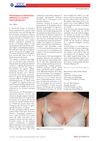
August 2012 in “Journal der Deutschen Dermatologischen Gesellschaft”
1 citations
,
August 2012 in “Journal der Deutschen Dermatologischen Gesellschaft” A woman's hyperandrogenism was caused by a genetic mutation leading to non-classic adrenogenital syndrome.
 5 citations
,
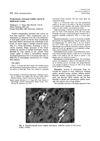
September 1989 in “Journal of The American Academy of Dermatology”
5 citations
,
September 1989 in “Journal of The American Academy of Dermatology” Talc in street cocaine can cause immune-reactive skin nodules where injected.
 March 2026 in “Lithuanian University of Health Sciences”
 Adrenal tumors should be considered in Addison's disease if unusual results appear, with surgery as a solution.
 March 2025 in “Journal of Pediatric Endocrinology and Metabolism”
 Elevated testosterone, DHEA-S, and FAI help identify PCOS risk in menstrual irregularities.
15 citations
,
June 2014 in “Behavioural Brain Research” Neurosteroids may help metyrapone reduce cocaine addiction.
January 2015 in “Annals of dermatology/Annals of Dermatology” Using travoprost for glaucoma may cause extra hair growth and darker skin around the eyes, but these effects can reverse after stopping the drug.
 April 2023 in “Journal of Investigative Dermatology”
 Some patients who had a severe drug reaction developed long-term hair loss.
 2 citations
,
August 2023 in “Journal of Endocrinological Investigation”
2 citations
,
August 2023 in “Journal of Endocrinological Investigation” Excess maternal androgens can cause heart problems in offspring.
 April 2020 in “Journal of the Endocrine Society”
 An 87-year-old man showed unusual signs of Hodgkin lymphoma, primarily high calcium levels, which improved after treatment and revealed the disease.
January 2025 in “Current Allergy and Asthma Reports” 25 citations
,
June 2017 in “Neuropharmacology” Increasing TSPO in the brain reduces anxiety and depression.
8 citations
,
January 2024 in “Medical Principles and Practice” IGFBP5 may be a potential target for Parkinson's treatment by reducing neuron death.
 1 citations
,
January 2019 in “Elsevier eBooks”
1 citations
,
January 2019 in “Elsevier eBooks” Neuroactive steroids may affect the risk and treatment of alcohol use disorders.
52 citations
,
May 1997 in “Journal of Biological Chemistry” High ornithine decarboxylase levels may lead to hair loss and cancer by increasing CK2 activity in the nucleus.
 December 2021 in “International Journal of Biomedicine”
 Hyperprolactinemia should be treated before confirming a PCOS diagnosis.
April 2019 in “Journal of the Endocrine Society” A woman's severe insulin resistance improved with treatment, but she still had high testosterone levels due to ovarian issues.
Ethanol changes GABAA receptor α4 subunit levels through phosphorylation and neuroactive steroids.
 June 2022 in “Research Square (Research Square)”
 Lipid peroxidation may worsen social behavior issues in autism.
 2 citations
,
January 2022 in “Skin Pharmacology and Physiology”
2 citations
,
January 2022 in “Skin Pharmacology and Physiology” Dexamethasone increases the activity of androgen receptors in human skin cells, which may link it to certain types of hair loss.