78 citations
,
November 2005 in “Endocrinology” Hairless protein can block vitamin D activation in skin cells.
 April 2016 in “Journal of Investigative Dermatology”
 Wnt ligands, produced by dermal papilla cells, are essential for adult hair growth and regeneration.
31 citations
,
September 1996 in “Differentiation” The upper dermal sheath can regenerate hair in rats.
 1 citations
,
September 2012 in “Journal of Investigative Dermatology”
1 citations
,
September 2012 in “Journal of Investigative Dermatology” Aging reduces stem cell activation, leading to hair loss in mice lacking a specific enzyme.
January 2002 in “Basic medical sciences and clinics” Hair follicle stem cells are crucial for hair growth and renewal.
 40 citations
,
January 2010 in “International Journal of Trichology”
40 citations
,
January 2010 in “International Journal of Trichology” Loose Anagen Syndrome is a hair condition where hairs can be easily pulled out, mainly affecting young girls, and may improve on its own or with treatment.
1 citations
,
October 2016 Genetic hair disorders can indicate other hidden health problems.
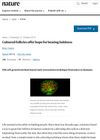
Growing hair follicles from cultured cells could potentially treat baldness, but more research is needed.
August 2013 in “eCommons (Cornell University)” Runx1 and CDK inhibitors help keep hair follicle stem cells inactive, affecting their future roles.
 6 citations
,
February 2016 in “American Journal of Dermatopathology”
6 citations
,
February 2016 in “American Journal of Dermatopathology” The boy with woolly hair nevus had thinner hair and abnormal hair follicles, which improved with treatment but worsened when treatment stopped.
 January 2011 in “Faculty Opinions – Post-Publication Peer Review of the Biomedical Literature”
 Bald men with male pattern baldness still have hair stem cells, but lack certain cells needed to grow hair.
 April 2017 in “Journal of Investigative Dermatology”
 Early and late matrix progenitors in hair follicles create different cell layers, with early ones forming the companion layer and later ones forming the inner root sheath and hair shaft.
 April 2011 in “Faculty Opinions – Post-Publication Peer Review of the Biomedical Literature”
 Bald men with male pattern baldness still have hair stem cells, but lack certain cells needed for hair growth.
 January 2011 in “Faculty Opinions – Post-Publication Peer Review of the Biomedical Literature”
 Bald men with male pattern baldness still have hair stem cells, but lack certain cells needed for hair growth.
50 citations
,
March 2001 in “Clinics in dermatology” Human hair is complex and grows in cycles starting from embryonic life.
 June 2025 in “Electronic Journal of General Medicine”
 Melatonin may help regrow hair, but more consistent research is needed.
December 2025 in “ILDS-DEV” January 1992 in “Proceedings of the New Zealand Society of Animal Production” Ferret hair growth starts between 0 and 4 days after melatonin treatment, with cell growth peaking in the hair germ and declining as the hair matures.
March 2006 in “The FASEB Journal” Vitamin D receptor is essential for adult hair growth.
 305 citations
,
June 2012 in “Nature”
305 citations
,
June 2012 in “Nature” Hair regeneration needs dynamic cell behavior and mesenchyme presence for stem cell activation.
 35 citations
,
July 2018 in “Cell Reports”
35 citations
,
July 2018 in “Cell Reports” The study found that a specific area of the hair follicle helps start hair growth by reducing the blocking effects on certain cells and controlling growth signals.

Hair growth is maintained by specific cell signals.
 September 2017 in “Journal of Investigative Dermatology”
 Certain products and treatments can improve hair health and growth.
July 2025 in “InnovAiT Education and inspiration for general practice” 16 citations
,
November 2017 in “British Journal of Dermatology” Cells in hair die by breaking down their DNA and mitochondria as they form keratin.
13 citations
,
January 1993 in “Archives of dermatological research” Human hair follicles can grow and stay healthy for up to 8 days in a lab setting.
January 2006 in “DOAJ (DOAJ: Directory of Open Access Journals)” Loose anagen hair syndrome causes easily pulled, thin hair in kids but is harmless and temporary.
 17 citations
,
August 1979 in “Journal of The American Academy of Dermatology”
17 citations
,
August 1979 in “Journal of The American Academy of Dermatology” A new staining method helps tell growing from resting hairs to diagnose hair loss.
16 citations
,
December 2015 in “Journal of Investigative Dermatology” Alopecia areata involves persistent gene abnormalities and immune activity, even in regrown hair, suggesting a risk of relapse.
 2 citations
,
January 2019 in “Dermatology Review”
2 citations
,
January 2019 in “Dermatology Review” Pigmented vellus and upright regrowing hairs predict hair regrowth in severe alopecia.