 February 2010 in “Journal of the American Academy of Dermatology”
 Umbilical cord blood transplantation improved the boy's symptoms despite complications.
 March 2009 in “Prenatal Diagnosis”
 Pregnancies in a woman with the Donohue mutation were managed with genetic testing, resulting in three healthy infants.
10 citations
,
October 2018 in “JDDG Journal der Deutschen Dermatologischen Gesellschaft” Most skin conditions in Down syndrome are benign and involve dry or thickened skin.
 October 2023 in “Journal of the Endocrine Society”
 A woman was diagnosed with Sheehan's syndrome and a rare complication of diabetes insipidus 33 years after symptoms began, improving with hormone therapy.
3 citations
,
February 2013 in “Actas dermo-sifiliográficas/Actas dermo-sifiliográficas” A 6-year-old boy developed excessive hair growth after taking diazoxide for low blood sugar.
13 citations
,
February 2012 in “International Journal of Dermatology” A new genetic mutation in the CDH3 gene causes hair loss and eye problems in young people.
April 2012 in “Neuropediatrics” Trichothiodystrophy is a rare genetic disorder causing hair issues and sometimes linked to DNA repair defects.
1 citations
,
July 2023 in “Clinical Cosmetic and Investigational Dermatology” Familial dyskeratotic comedones are a rare, benign skin disorder that is hard to treat.
5 citations
,
August 1925 in “Archives of dermatology” An 8-year-old boy with Recklinghausen's Disease shows various symptoms and is from a family with close genetic ties.
 September 2024 in “The Neurohospitalist”
 Careful management of chronic hyponatremia is crucial to prevent severe neurological issues.
 July 2021 in “Scholars Journal of Medical Case Reports”
 Woodhouse-Sakati Syndrome can include unique symptoms like liver issues and low growth hormone.
 27 citations
,
October 2017 in “British Journal of Dermatology”
27 citations
,
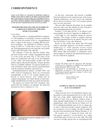
October 2017 in “British Journal of Dermatology” Patients with GATA2 deficiency show early skin symptoms that help diagnose the condition.
 9 citations
,
January 2005 in “Pediatric Dermatology”
9 citations
,
January 2005 in “Pediatric Dermatology” Fox Fordyce disease can occur in prepubertal girls and may be underdiagnosed.
24 citations
,
June 1999 in “The Pediatric Infectious Disease Journal” A child with Sweet syndrome was found to have chronic granulomatous disease and improved with treatment.
372 citations
,
December 2004 in “Nature Genetics” 57 citations
,
August 1997 in “Pediatrics International” VDDR I and II are genetic disorders affecting vitamin D use, causing rickets, with VDDR I treatable by vitamin D supplements and VDDR II needing high doses and calcium.
6 citations
,
January 2015 in “Indian Dermatology Online Journal” PEODDN is a rare skin disorder with limited treatment options, best treated with laser therapy.
 18 citations
,
December 2006 in “Clinical dysmorphology”
18 citations
,
December 2006 in “Clinical dysmorphology” A 2-year-old boy with a rare brain malformation may have Gomez–López-Hernández syndrome.
71 citations
,
May 1996 in “Journal of Investigative Dermatology” Ornithine decarboxylase is crucial for hair growth regulation in mice.
 April 2018 in “Nasza Dermatologia Online”
 People with Down's syndrome are more likely to have syringomas.
 August 2023 in “Gastroenterology”
 A 78-year-old man with Cronkhite-Canada syndrome improved significantly after treatment and remains symptom-free.
17 citations
,
July 2013 in “Amino Acids” Increased ODC activity leads to skin tumors by recruiting stem cells, not by toxic byproducts.
18 citations
,
November 2009 in “Calcified tissue international” A genetic mutation caused severe rickets and alopecia in an Indian patient, but high-dose calcium and phosphate treatment improved their condition.
28 citations
,
May 2000 in “Proceedings of the National Academy of Sciences” The Walleye dermal sarcoma virus cyclin causes excessive skin cell growth in mice.
 July 2023 in “Veterinary pathology”
 White-tailed deer can get a hair loss condition that might make them more vulnerable to environmental threats.
December 2024 in “Pediatrics in Review” Early detection and treatment of Menkes disease with copper injections are crucial for better outcomes.
 32 citations
,
April 2019 in “JAAD case reports”
32 citations
,
April 2019 in “JAAD case reports” JAK inhibitors helped treat hair loss in two people with Down syndrome.
22 citations
,
May 2005 in “Journal of the European Academy of Dermatology and Venereology” People with Down syndrome are more likely to have alopecia areata and need regular skin check-ups.
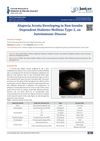 January 2019 in “Current research in diabetes & obesity journal”
 A woman with type 2 diabetes developed alopecia areata, suggesting a link between the two autoimmune conditions.
 January 2007 in “Revista del Centro Dermatológico Pascua”
 A 2-year-old boy was diagnosed with a rare genetic condition causing fragile hair, intellectual issues, and short stature.