 1 citations
,
July 2023 in “Journal of Clinical Medicine”
1 citations
,
July 2023 in “Journal of Clinical Medicine” Different causes of beard hair loss have various treatments, including medications, lifestyle changes, and procedures to stimulate hair growth.
1 citations
,
May 2017 in “InTech eBooks” New treatments focusing on immune pathways show promise for stubborn hair loss.
 June 2026 in “Wiener klinische Wochenschrift”
 New treatments for alopecia areata show promise but need ongoing use and have infection risks.
 April 2026 in “Journal of Inflammation Research”
 Alopecia areata and atopic dermatitis share immune system issues, and treatments like JAK inhibitors can help both.
December 2025 in “International Journal of Molecular Sciences” Exosome-based therapies show promise for treating alopecia areata but need more research.
September 2025 in “International Journal of Molecular Sciences” International guidelines for treating alopecia areata vary, focusing on different treatment options and related health issues.
 July 2025 in “Journal of Cosmetic Dermatology”
 Triamcinolone is more effective than methotrexate for treating localized alopecia areata.
 July 2025 in “American Journal of Clinical Dermatology”
 Alopecia treatments like 5α-reductase inhibitors and spironolactone are safe for breast cancer patients and high-risk women.
 April 2025 in “Pharmaceutics”
 Oil A formulation with Baricitinib shows promise for treating alopecia areata by promoting hair growth.
Alopecia Areata causes hair loss and needs treatments that address both physical and emotional health.
Topical treatments like minoxidil and corticosteroids are effective for hair loss, with JAK inhibitors promising for alopecia areata.
 October 2024 in “Asian Journal of Pharmaceutical and Clinical Research”
 Topical methotrexate is more effective and as safe as betamethasone for treating alopecia areata.
 July 2023 in “IntechOpen eBooks”
 New treatments for alopecia areata show promise, but more research is needed to confirm their effectiveness.
 March 2022 in “Wound practice & research”
 New treatments for alopecia areata show promise, but standardized guidelines are needed.
2 citations
,
January 2012 in “Journal of Clinical & Experimental Dermatology Research” Fexofenadine reduces discomfort but doesn't significantly improve hair regrowth in Alopecia Areata treatment.
60 citations
,
September 2001 in “British journal of dermatology/British journal of dermatology, Supplement” Topical contact sensitizers can treat certain skin conditions by changing the immune response.
41 citations
,
November 2015 in “The journal of investigative dermatology. Symposium proceedings/The Journal of investigative dermatology symposium proceedings” Diphenylcyclopropenone (DPCP) can help regrow hair in many alopecia areata patients but may cause side effects and relapses.
 41 citations
,
February 2001 in “Current pharmaceutical design”
41 citations
,
February 2001 in “Current pharmaceutical design” Current and future treatments for alopecia areata focus on immunosuppression, immunomodulation, and protecting hair follicles.
36 citations
,
March 1989 in “British journal of dermatology/British journal of dermatology, Supplement” DPCP is more effective than tretinoin gel for treating severe alopecia.
 31 citations
,
September 2014 in “Journal of Pharmaceutical Sciences”
31 citations
,
September 2014 in “Journal of Pharmaceutical Sciences” Using a special laser can improve how well hair loss treatments get into the skin and hair follicles.
16 citations
,
April 2000 in “Contact dermatitis” A man developed severe skin reactions after using a treatment for hair loss.
14 citations
,
August 2014 in “Journal of the American Academy of Dermatology” Diphenylcyclopropenone (DPCP) is effective in treating alopecia areata, with most patients showing significant hair regrowth.
13 citations
,
January 2010 in “Immunopharmacology and immunotoxicology” Diphencyprone increases Bcl-2 protein in patients with hair regrowth from alopecia areata.
7 citations
,
January 2015 in “PubMed” Osteopontin may play a role in alopecia areata, but its levels don't predict treatment success.
3 citations
,
November 2021 in “Skin Appendage Disorders” Home-use treatment for severe alopecia areata is as effective as office-use but costs half as much.
2 citations
,
May 2024 in “International Journal of Medical Arts” Diphenylcyclopropenone (DPCP) is more effective than anthralin for treating resistant alopecia areata.
 1 citations
,
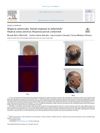
July 2019 in “Medicina Clínica (English Edition)”
1 citations
,
July 2019 in “Medicina Clínica (English Edition)” Tofacitinib partially improved hair regrowth in a patient with severe hair loss.
 1 citations
,
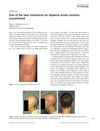
June 2018 in “International Journal of Dermatology”
1 citations
,
June 2018 in “International Journal of Dermatology” DNCB is highly effective for treating alopecia areata with minimal long-term side effects.
 January 2025 in “ACS Applied Materials & Interfaces”
 Nanoparticles with specific drugs can help regrow hair in alopecia areata.
July 2024 in “Journal of Investigative Dermatology” Allergic contact dermatitis may promote hair growth by activating hair follicle stem cells.