 159 citations
,
September 2001 in “European Journal of Cancer Care”
159 citations
,
September 2001 in “European Journal of Cancer Care” Chemotherapy-induced hair loss significantly affects patients' well-being, and nurses are key in helping them cope, but more research is needed to find effective treatments.
 28 citations
,
January 2007 in “Dermatology”
28 citations
,
January 2007 in “Dermatology” Chemotherapy can cause rapid, extensive hair loss, with patterns varying between individuals.
 3 citations
,
January 2011 in “Wspolczesna Onkologia-Contemporary Oncology”
3 citations
,
January 2011 in “Wspolczesna Onkologia-Contemporary Oncology” Scalp hypothermia can prevent chemotherapy-induced hair loss but is not suitable for all patients, and more research is needed to improve prevention methods.
 14 citations
,
July 2021 in “Biomolecules”
14 citations
,
July 2021 in “Biomolecules” Centipeda minima extract helps hair grow by activating important growth signals and could be a promising hair loss treatment.
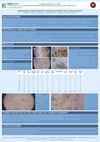
More research is needed to understand chemotherapy-induced hair loss and its phases.
 9 citations
,
February 2019 in “BMC cancer”
9 citations
,
February 2019 in “BMC cancer” M30 is a promising treatment for preventing hair loss during chemotherapy.
Oral contraceptives may cause significant hair loss in women.
 52 citations
,
September 2018 in “International Journal of Molecular Sciences”
52 citations
,
September 2018 in “International Journal of Molecular Sciences” Ginseng and its compounds may help hair growth and prevent hair loss, but more human trials are needed to confirm this.
 42 citations
,
March 2006 in “Drug Discovery Today: Therapeutic Strategies”
42 citations
,
March 2006 in “Drug Discovery Today: Therapeutic Strategies” The conclusion is that we need more effective hair loss treatments than the current ones, and these could include new drugs, gene and stem cell therapy, hormones, and scalp cooling, but they all need thorough safety testing.
 12 citations
,
July 2014 in “Journal of Investigative Dermatology”
12 citations
,
July 2014 in “Journal of Investigative Dermatology” Chemotherapy causes complex changes in hair follicle cells that can lead to hair loss.
 1 citations
,
March 2015 in “Journal of Visualized Experiments”
1 citations
,
March 2015 in “Journal of Visualized Experiments” Researchers developed a new, precise method to measure hair loss in mice using image analysis.
 31 citations
,
May 2008 in “Drug Discovery Today: Disease Mechanisms”
31 citations
,
May 2008 in “Drug Discovery Today: Disease Mechanisms” Different hair growth problems are caused by genetic issues or changes in hair growth cycles, and new treatments are being developed.
 18 citations
,
April 2013 in “Inflammatory Bowel Diseases”
18 citations
,
April 2013 in “Inflammatory Bowel Diseases” People with Inflammatory Bowel Disease often lose hair due to stress, medication side effects, or lack of nutrients, and treatment depends on the specific cause.
 15 citations
,
April 2001 in “Journal of Dermatological Science”
15 citations
,
April 2001 in “Journal of Dermatological Science” KF19418 promotes hair growth similarly to minoxidil but is not better in live mice.
 13 citations
,
January 2017 in “Molecules”
13 citations
,
January 2017 in “Molecules” Compounds from Alpinia zerumbet may help with hair regrowth and cancer treatment by targeting PAK1.
 5 citations
,
September 2012 in “Springer eBooks”
5 citations
,
September 2012 in “Springer eBooks” Nanoparticles can be used to deliver drugs to hair follicles, potentially improving treatments for conditions like acne and alopecia, and could also be used for vaccine delivery and gene therapy.
 53 citations
,
April 2018 in “Journal of The American Academy of Dermatology”
53 citations
,
April 2018 in “Journal of The American Academy of Dermatology” Cancer treatments often cause hair disorders, significantly affecting patients' quality of life, and better management methods are needed.
 5 citations
,
July 2003 in “Pediatric Critical Care Medicine”
5 citations
,
July 2003 in “Pediatric Critical Care Medicine” Most patients experience temporary hair loss after ECMO, but it usually grows back within 6 months without treatment.
 5 citations
,
August 2018 in “European Psychiatry”
5 citations
,
August 2018 in “European Psychiatry” Some psychiatric drugs can cause severe hair loss, especially valproic acid, and it's more likely in women or those with thyroid issues or past hair loss.
 1 citations
,
November 2011 in “Dermatologica Sinica”
1 citations
,
November 2011 in “Dermatologica Sinica” Women using hair relaxers with alopecia had lower zinc levels, suggesting zinc deficiency might contribute to hair loss.
 97 citations
,
September 2006 in “Pharmaceutical Research”
97 citations
,
September 2006 in “Pharmaceutical Research” No treatment fully prevents hair loss from chemotherapy yet.
 67 citations
,
May 2010 in “Journal of The American Academy of Dermatology”
67 citations
,
May 2010 in “Journal of The American Academy of Dermatology” Some chemotherapy can cause permanent hair loss.
 26 citations
,
October 2016 in “Biomolecules & Therapeutics”
26 citations
,
October 2016 in “Biomolecules & Therapeutics” 3-Deoxysappanchalcone helps human hair cells grow and stimulates hair growth in mice by affecting certain cell signaling pathways.
 19 citations
,
February 2017 in “Journal of radiation research”
19 citations
,
February 2017 in “Journal of radiation research” High-dose radiation speeds up aging in skin stem cells.
 14 citations
,
January 2013 in “Journal of Cutaneous Medicine and Surgery”
14 citations
,
January 2013 in “Journal of Cutaneous Medicine and Surgery” Some cancer treatments can cause permanent hair loss.
 January 2023 in “International Journal of Pharmaceutical Research and Development”
 Nanotechnology therapies can help improve quality of life for those with hair loss.
 21 citations
,
January 2015 in “Oncology Research and Treatment”
21 citations
,
January 2015 in “Oncology Research and Treatment” Scalp cooling can prevent hair loss in 65% of chemotherapy patients, especially effective in breast cancer patients and certain chemotherapy types.
 3 citations
,
October 2003 in “Annals of Oncology”
3 citations
,
October 2003 in “Annals of Oncology” A woman with low thyroid function did not lose her hair during chemotherapy, possibly because her hair follicles were less affected by the treatment.
 February 2021 in “Journal of pharmaceutical and biological sciences”
 No cure exists for alopecia areata, and treatments are personalized.
 65 citations
,
November 2012 in “Tissue Engineering Part B-reviews”
65 citations
,
November 2012 in “Tissue Engineering Part B-reviews” Hair follicle stem cells are a promising source for tissue repair and treating skin or hair diseases.