 January 2026 in “Forum Dermatologicum”
 Hair loss can be caused by cancer, treatments, or skin conditions, and trichoscopy helps diagnose it.
 9 citations
,
October 2018 in “Elsevier eBooks”
9 citations
,
October 2018 in “Elsevier eBooks” Nanotechnology is improving drug delivery and targeting, with promising applications in cancer treatment, gene therapy, and cosmetics, but challenges remain in ensuring precise delivery and safety.
17 citations
,
January 2023 in “Frontiers in Cell and Developmental Biology” iPSCs are promising for studying and treating COVID-19.
 July 2019 in “Journal of the Formosan Medical Association”
 Melatonin may help with nerve pain, a hepatitis C drug is effective but has side effects, a treatment for mouth sores works but can cause blood issues, ear reconstruction with an implant is safe, HIV transmission from mother to child in Taiwan is now 0% with treatment, certain blood problems are more common in people with a tongue condition, a gene and being overweight are linked to hair loss in some women, a new technique could reduce radiation for lung nodule patients, a hepatitis treatment may lower cancer recurrence after a procedure, and adding extra screening improves tuberculosis detection in patients with lung infections.
 1 citations
,
November 2020 in “Asian Journal of Pharmaceutical and Clinical Research”
1 citations
,
November 2020 in “Asian Journal of Pharmaceutical and Clinical Research” Nanoparticles may improve treatment for lung disease by targeting cells better and reducing side effects.
 336 citations
,
August 2015 in “European Journal of Epidemiology”
336 citations
,
August 2015 in “European Journal of Epidemiology” The Rotterdam Study found risk factors for elderly diseases, links between lifestyle and genetics with health conditions, and aimed to explore new areas like DNA methylation and sensory input effects on brain function.
 25 citations
,
December 2001 in “Expert Opinion on Pharmacotherapy”
25 citations
,
December 2001 in “Expert Opinion on Pharmacotherapy” Potassium channel openers show promise for treating heart disease and other conditions, but more research is needed to fully understand their effects and safety.
 1 citations
,
September 2013 in “The Journal of Dermatology”
1 citations
,
September 2013 in “The Journal of Dermatology” An 8-year-old girl developed a rare skin condition in a linear pattern on one side of her body after a lung infection, which improved with treatment.
 6 citations
,
February 2004 in “Clinical and Experimental Ophthalmology”
6 citations
,
February 2004 in “Clinical and Experimental Ophthalmology” The document concludes that careful diagnosis is crucial for chromosome 13q deletion syndrome, tamoxifen can cause reversible eye damage, finasteride may be linked to cataracts, and OCT is useful for diagnosing macular diseases.
177 citations
,
March 2018 in “International Journal of Molecular Sciences” mTOR inhibitors may help treat lung fibrosis.
665 citations
,
April 2016 in “Nature communications” Blocking specific proteins can help remove aging cells and might treat age-related diseases and promote hair growth.
 14 citations
,
August 2021 in “Diabetes, Metabolic Syndrome and Obesity: Targets and Therapy”
14 citations
,
August 2021 in “Diabetes, Metabolic Syndrome and Obesity: Targets and Therapy” Metformin, a diabetes drug, may help prevent and treat various cancers, but more research is needed.
 14 citations
,
May 2021 in “Marine Drugs”
14 citations
,
May 2021 in “Marine Drugs” PDRN, derived from salmon sperm, shows promise in healing wounds, reducing inflammation, and regenerating tissues, but more research is needed to understand its mechanisms and improve its use.

Monocyclic aromatic compounds are important for developing various drugs and treatments.
 48 citations
,
February 2013 in “Molecular and Cellular Endocrinology”
48 citations
,
February 2013 in “Molecular and Cellular Endocrinology” The protein StAR is found in 17 different organs and can affect hair loss and brain functions, but its full role is not yet fully understood.
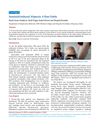 November 2022 in “The Indian journal of chest diseases & allied sciences”
 Isoniazid can rarely cause hair loss, which is reversible after stopping the drug.
 4 citations
,
July 2018 in “The Journal of Allergy and Clinical Immunology: In Practice”
4 citations
,
July 2018 in “The Journal of Allergy and Clinical Immunology: In Practice” Four new substances—minoxidil, ferrimanitol ovalbumin, clarithromycin, and glucosamine-hydrochloride—can cause occupational asthma.
 52 citations
,
October 2016 in “Clinics in Dermatology”
52 citations
,
October 2016 in “Clinics in Dermatology” Some medications can cause acne, and stopping these drugs is the main treatment.
 November 2025 in “Frontiers in Pharmacology”
 64 drugs can cause hair loss, needing better monitoring and updated labels.
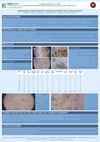
More research is needed to understand chemotherapy-induced hair loss and its phases.
 20 citations
,
October 2018 in “American Journal of Clinical Dermatology”
20 citations
,
October 2018 in “American Journal of Clinical Dermatology” Some drugs can cause skin and hair color changes, often reversible when the drug is stopped.
 151 citations
,
November 2018 in “International Journal of Pharmaceutics”
151 citations
,
November 2018 in “International Journal of Pharmaceutics” Nanoparticles improve drug delivery through the skin but more research is needed on their long-term effects and skin penetration challenges.
 158 citations
,
January 2015 in “Artificial Intelligence in Medicine”
158 citations
,
January 2015 in “Artificial Intelligence in Medicine” DrugNet effectively identifies new uses for existing drugs and may save resources in drug development.
 11 citations
,
February 2016 in “Current Medicinal Chemistry”
11 citations
,
February 2016 in “Current Medicinal Chemistry” New treatments for prostate cancer and BPH show promise, including novel compounds that target hormone synthesis and response.
 57 citations
,
September 2017 in “Journal of controlled release”
57 citations
,
September 2017 in “Journal of controlled release” Nanocarrier-loaded gels improve drug delivery for cancer, skin conditions, and hair loss.
 3 citations
,
July 2025 in “BIOMED natural and applied science”
3 citations
,
July 2025 in “BIOMED natural and applied science” Drug repurposing can create safer, cheaper treatments by finding new uses for existing drugs.
December 2023 in “Indian Journal of Endocrinology and Metabolism” Early diagnosis, genetic testing, and innovative treatments are crucial for managing complex medical conditions.
 1 citations
,
May 2025 in “Natural Products and Bioprospecting”
1 citations
,
May 2025 in “Natural Products and Bioprospecting” PEVIII is a promising treatment for Pseudomonas aeruginosa keratitis.

Doxycycline or flucloxacillin can cause a rare, severe skin reaction that can be fatal, especially in the elderly.
36 citations
,
January 2021 in “Frontiers in Cell and Developmental Biology” Hypoxia and epigenetics are crucial for cell growth and tissue regeneration.