 273 citations
,
May 2017 in “The Lancet”
273 citations
,
May 2017 in “The Lancet” Some drugs can cause rare but potentially deadly skin reactions, and early treatment and avoiding the drug again are key.

COVID-19 can cause skin problems and affect dermatology treatments, with recommendations for skin care and cautious use of certain drugs.
 March 2014 in “Pediatric Clinics of North America”
 The document discusses how to identify and manage common skin conditions in children.
 February 2026 in “Cureus”
 Recognizing and managing skin side effects from chemotherapy improves patient quality of life and treatment success.
 47 citations
,
January 2003 in “American Journal of Clinical Dermatology”
47 citations
,
January 2003 in “American Journal of Clinical Dermatology” Mood stabilizers can cause serious skin reactions; careful monitoring and immediate treatment are crucial.
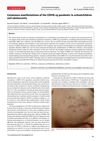 January 2023 in “Acta dermatovenerologica Alpina, Pannonica et Adriatica (Tiskana izd.)”
 The article concludes that schoolchildren and adolescents experienced various skin issues during the COVID-19 pandemic, including acne from masks and other skin reactions from the virus and vaccines.
 88 citations
,
July 2014 in “Journal of the American Academy of Dermatology”
88 citations
,
July 2014 in “Journal of the American Academy of Dermatology” Targeted cancer therapies often cause skin reactions, so dermatologists must manage these effects.
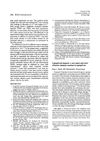 20 citations
,
July 1990 in “Journal of the American Academy of Dermatology”
20 citations
,
July 1990 in “Journal of the American Academy of Dermatology” Captopril may cause hair loss, as shown by a woman's hair regrowing after stopping the medication.
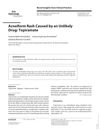 5 citations
,
July 2017 in “Skin appendage disorders”
5 citations
,
July 2017 in “Skin appendage disorders” A man got a rare rash from the drug topiramate, which went away after he stopped taking it.
 2 citations
,
November 1990 in “International Journal of Dermatology”
2 citations
,
November 1990 in “International Journal of Dermatology” Albendazole can cause hair loss, and piroxicam can cause fixed drug eruption.
 2 citations
,
October 2016
2 citations
,
October 2016 Chemotherapy and radiotherapy can cause skin side effects like rashes, hair loss, and nail changes, which are usually managed with conservative treatments.
 172 citations
,
November 1983 in “Journal of The American Academy of Dermatology”
172 citations
,
November 1983 in “Journal of The American Academy of Dermatology” Chemotherapy can cause skin problems like hair loss, mouth sores, and skin darkening, and recognizing these can affect treatment decisions.
 4 citations
,
March 2020 in “Cutaneous and ocular toxicology”
4 citations
,
March 2020 in “Cutaneous and ocular toxicology” Wen by Chaz Dean Sweet Almond Mint Cleansing Conditioner is better tolerated than salicylic acid and baby shampoos.
 16 citations
,
July 1996 in “Dermatologic Clinics”
16 citations
,
July 1996 in “Dermatologic Clinics” Some psychiatric drugs can cause skin problems, but serious reactions are rare.
 19 citations
,
October 2011 in “Clinics in Dermatology”
19 citations
,
October 2011 in “Clinics in Dermatology” New chemotherapy drugs cause skin side effects, but treatments like minocycline and tetracycline can help reduce them.
 12 citations
,
June 2003 in “Journal of the European Academy of Dermatology and Venereology”
12 citations
,
June 2003 in “Journal of the European Academy of Dermatology and Venereology” Some psychoactive drugs can cause skin reactions, with carbamazepine having a higher risk, and stopping the drug and seeing a dermatologist is important.
 13 citations
,
December 2017 in “Archives of Medical Sciences”
13 citations
,
December 2017 in “Archives of Medical Sciences” Rivaroxaban can cause liver injury, allergic reactions, blood vessel inflammation, and hair loss, but these side effects are rare.
 11 citations
,
June 2011 in “Expert Review of Dermatology”
11 citations
,
June 2011 in “Expert Review of Dermatology” Skin reactions to drugs are common and can be deadly, usually requiring stopping the drug and may be better prevented with genetic testing in the future.
3 citations
,
October 2024 in “Cancers” Skin side effects from melanoma immunotherapy are common and may indicate better survival.
 15 citations
,
January 2018 in “Acta dermato-venereologica”
15 citations
,
January 2018 in “Acta dermato-venereologica” Skin treatment can lower life quality for patients with skin conditions.
April 2025 in “JAAD reviews.” Skin issues can signal substance use, helping early detection and treatment.
 15 citations
,
November 2002 in “Cardiology in Review”
15 citations
,
November 2002 in “Cardiology in Review” Cardiovascular drugs can cause various skin problems, so recognizing these reactions is important.
 4 citations
,
January 1974 in “The BMJ”
4 citations
,
January 1974 in “The BMJ” All medications can cause skin rashes, often without a clear cause, and better tests are needed to identify these drug-related skin issues.
 15 citations
,
March 2021 in “Journal of clinical medicine”
15 citations
,
March 2021 in “Journal of clinical medicine” Biologic treatments for Crohn's disease and ulcerative colitis can cause skin problems, and doctors should adjust treatment if these occur.
10 citations
,
August 2016 in “Dermatology Online Journal” Nilotinib can cause skin issues like red bumps and hair loss.
 February 2026 in “Ciencia Latina Revista Científica Multidisciplinar”
 Early recognition of skin issues in immunocompromised patients is crucial for better outcomes.
 16 citations
,
March 2015 in “Clinical Cancer Research”
16 citations
,
March 2015 in “Clinical Cancer Research” The document concludes that side effects from Smoothened inhibitor drugs for skin cancer are reversible and can be managed with a team approach to maintain quality of life.
 7 citations
,
October 2019 in “Annals of palliative medicine”
7 citations
,
October 2019 in “Annals of palliative medicine” New targeted cancer drugs can cause skin side effects, and managing them requires patient education and timely care.
 68 citations
,
September 2003 in “British Journal of Dermatology”
68 citations
,
September 2003 in “British Journal of Dermatology” Shrinking skin cancer increases the chance of cancer in nearby lymph nodes.
 22 citations
,
April 1985 in “Australasian Journal of Dermatology”
22 citations
,
April 1985 in “Australasian Journal of Dermatology” Beta-blockers can cause rare skin side-effects, which usually improve after stopping the medication.