Search
for
Sort by
Research
240-270 / 1000+ resultsresearch リリース:Microsoft RSAT for Windows 7 SP1(20110412-1)
Early diagnosis of trachyonychia improves treatment and reduces psychological and cosmetic issues.

research Spontaneous Lesions of Endangered Geriatric Julia Creek Dunnarts (Sminthopsis douglasi, Archer 1979) with Emphasis in Reproductive Pathology
Aged Julia Creek dunnarts suffer from reproductive and hormonal issues, aiding conservation efforts.
research EFEK HAIR TONIC BUAH MENGKUDU (Morinda citrifolia L) DAN UJI FITOKIMIANYA
Noni fruit extract speeds up hair growth in rabbits.
research Trichophyton tonsurans‐induced kerion celsi with decreased defensin expression and paradoxically increased interleukin‐17A production
Terbinafine effectively treated kerion celsi despite disrupted immune responses.
research Acute telogen effluvium due to Dengue fever mimicking androgenetic alopecia
research Clinical study on 88 cases of Korean 20-nail dystrophy
The study concludes that Twenty-nail dystrophy is more common in boys among children and in women among adults, with varying response to treatment.
research Identification and Detection of Finasteride Polymorphs in Finasteride Tablets by FT-Raman Spectroscopy
Raman spectroscopy can identify finasteride polymorphs in tablets.
research Long-term pubic dermatitis diagnosed as white piedra.
A long-term pubic rash was finally diagnosed as white piedra and cured with ketoconazole.

research ENHANCEMENT OF FOLLICULAR DELIVERY OF FINASTERIDE IN NIOSOMALAND PRONIOSOMAL GEL FORM FOR TREATING ANDROGENETIC ALOPECIA
Finasteride, a hair loss treatment, works better and is more stable when delivered through specially prepared gels, leading to increased hair growth.
research Clinical cases of Darier-White follicular dyskeratosis
Darier-White disease causes skin and nail issues, starts around age 20, worsens until 40-50, and has poor treatment options.
research 200 Uncommon finasteride side effects in male androgenic alopecia
research Performance of Platycladus orientalis Leaves Yeast Fermented Solution on Human Dermal Papilla Cells
The fermented solution from Platycladus orientalis leaves may boost hair growth and reduce inflammation.

research Enhanced Insights into Frontal Fibrosing Alopecia: Advancements in Pathogenesis Understanding and Management Strategies
Frontal Fibrosing Alopecia needs better diagnostics and treatments, with dutasteride showing promise.
research Fungal Zoonoses
Fungal infections like ringworm affect skin, hair, and nails in humans and animals, requiring culture for diagnosis and specific treatments.
research Human androgenic steroids affect growth of dermatophytes in vitro
Androgenic steroids can slow down or stop the growth of certain skin fungi.
research Finasteride cream and idiopathic hirsutism
research Trichoscopy in Unveiling the Triad of Netherton Syndrome
Trichoscopy helps accurately diagnose Netherton syndrome, often mistaken for atopic dermatitis.

research Pharmacovigilance profiles of three generations of mineralocorticoid receptor antagonists and network toxicology analysis
Spironolactone has the most side effects, including serious risks, while eplerenone and finerenone mainly affect the heart, kidneys, and metabolism.
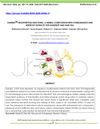
research DanEraTM MULTIPURPOSE HAIR TONIC: A HERBAL COMPOSITION WITH POMEGRANATE AND BEETROOT EXTRACTS FOR DANDRUFF AND HAIR FALL
DanEraTM hair tonic effectively treats dandruff and hair fall using natural ingredients.
research Forsythiasides: A review of the pharmacological effects
Forsythiasides have multiple health benefits but may cause pseudoallergic reactions, and more research is needed.
research NETHERTON'S SYNDROME AND ICHTHYOSIS LINEARIS CIRCUMFLEXA
Ichthyosis serpentina may be a variant linked to bamboo hair, with a possible genetic component.
research Severe Hypernatremia as Presentation of Netherton Syndrome
Netherton syndrome can cause severe dehydration, infections, and growth issues in infants.
research Synergistic therapeutic effect of systemic steroids and dithranol in a patient of alopecia totalis—A case report
Combining systemic steroids and dithranol can effectively regrow hair in severe alopecia areata.
research An inherited nail dystrophy principally affecting the great toenails
The document concludes that an inherited nail condition often improves on its own, and spironolactone effectively treats acne in women.
research Trichoscopy as a diagnostic tool in trichorrhexis invaginata and Netherton syndrome
Trichoscopy is useful for diagnosing Netherton syndrome in children with skin issues.
research Dermatofitose canina causada por Trichophyton rubrum - Relato de caso
A dog with a rare skin infection caused by a human fungus was successfully treated with antifungal medication.
research Familial frontal fibrosing alopecia treated with dutasteride, minoxidil and artificial hair transplantation
Treatment with dutasteride, minoxidil, and artificial hair transplantation improved appearance but caused folliculitis.