 October 2008 in “Australasian Journal of Dermatology”
 Medical practitioners need to understand basic statistics to properly evaluate clinical trials and avoid unethical designs.
 November 2005 in “Journal of Investigative Dermatology Symposium Proceedings”
 The workshop aimed to improve hair loss disorder diagnosis and understanding.
January 2005 in “한방재활의학과학회지” Most alopecia patients were young adults with oily scalps, often linked to stress and family history.
 March 2004 in “Journal of The American Academy of Dermatology”
 Patients with SLE experienced non-scarring hair loss with fewer hair follicles, and DIF did not help identify lupus.
 March 2009 in “International Journal of Dermatology”
 The androgen receptor gene doesn't help identify women likely to have female pattern hair loss.
 101 citations
,
November 1992 in “Archives of Dermatology”
101 citations
,
November 1992 in “Archives of Dermatology” Steroids help hair regrowth, and minoxidil slows post-steroid hair loss, but effects are temporary.
53 citations
,
May 2011 in “Dermatologic therapy” Alopecia areata is a skin condition causing hair loss, and its exact cause is unknown, but it may involve biological mechanisms.
 24 citations
,
January 2006 in “Skin Pharmacology and Physiology”
24 citations
,
January 2006 in “Skin Pharmacology and Physiology” Finasteride reverses early hair loss and promotes growth.
 19 citations
,
June 2015 in “Seminars in Cutaneous Medicine and Surgery”
19 citations
,
June 2015 in “Seminars in Cutaneous Medicine and Surgery” There is no cure for alopecia areata, and treatment success depends on the individual's situation.
 5 citations
,
September 2021 in “Journal of The American Academy of Dermatology”
5 citations
,
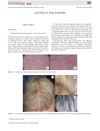
September 2021 in “Journal of The American Academy of Dermatology” Most men with Frontal fibrosing alopecia also lose facial hair and the condition may be linked to hormone levels and sunscreen use.
 2 citations
,
May 2018 in “Australasian Journal of Dermatology”
2 citations
,
May 2018 in “Australasian Journal of Dermatology” Some patients' hair grew back black and white after chemotherapy.
 September 2023 in “International Journal of Dermatology”
 Younger people are at a higher risk for Fibrosing Alopecia in a Pattern Distribution than previously thought, with common symptoms and possible involvement of mast cells in its development.
 January 2023 in “Dermatologic therapy”
 Dissecting Cellulitis of the Scalp is more common in young men and often associated with head and neck acne.
 January 2020 in “Revista da Sociedade Portuguesa de Dermatologia e Venereologia”
 Frontal fibrosing alopecia in Brazil mostly affects postmenopausal women, often linked with hypothyroidism and eyebrow hair loss.
 April 2016 in “Journal of The American Academy of Dermatology”
 A botanical lotion can increase scalp collagen and extend hair growth phase, potentially improving hair thinning issues.
 391 citations
,
January 2010 in “Journal of The American Academy of Dermatology”
391 citations
,
January 2010 in “Journal of The American Academy of Dermatology” Half of people with Alopecia Areata may see hair regrowth within a year without treatment, but recovery is unpredictable.
68 citations
,
October 2008 in “Archives of dermatological research” Generalized vitiligo in Chinese patients is linked to other autoimmune diseases, especially in familial cases.
66 citations
,
September 2008 in “The Journal of Dermatology” Gastrointestinal issues are important risk factors for sebaceous gland diseases in Han adolescents.
 44 citations
,
November 2010 in “Current Opinion in Supportive and Palliative Care”
44 citations
,
November 2010 in “Current Opinion in Supportive and Palliative Care” Many patients find hair loss from chemotherapy very distressing, and while treatments like minoxidil and scalp cooling may help, there is no sure way to prevent it.
 23 citations
,
November 2018 in “Journal of the European Academy of Dermatology and Venereology”
23 citations
,
November 2018 in “Journal of the European Academy of Dermatology and Venereology” The study concluded that severity of Frontal fibrosing alopecia is not linked to how long someone has it, can start before menopause, and eyebrow loss may be an early sign.
21 citations
,
December 2014 in “Clinics in dermatology” Squaric acid dibutylester effectively treats alopecia areata.
 15 citations
,
January 1998 in “Journal of Clinical Periodontology”
15 citations
,
January 1998 in “Journal of Clinical Periodontology” Finasteride helps treat hair loss by blocking enzyme activity.
13 citations
,
February 2025 in “Journal of the European Academy of Dermatology and Venereology” Ritlecitinib shows promise for treating alopecia areata, especially with early and extended treatment.
 11 citations
,
November 2018 in “Journal of the American Academy of Dermatology”
11 citations
,
November 2018 in “Journal of the American Academy of Dermatology” Tofacitinib therapy can effectively regrow eyebrows and eyelashes in some alopecia areata patients.
10 citations
,
June 2015 in “Seminars in cutaneous medicine and surgery” Hair loss can be caused by various factors, and treatments focus on restoring normal hair growth.
 8 citations
,
October 1989 in “Journal of the American Academy of Dermatology”
8 citations
,
October 1989 in “Journal of the American Academy of Dermatology” A 5-year-old boy's seasonal hair loss is linked to his allergies.
 3 citations
,
April 2021 in “Revista da Sociedade Portuguesa de Dermatologia e Venereologia”
3 citations
,
April 2021 in “Revista da Sociedade Portuguesa de Dermatologia e Venereologia” Some people who got COVID-19 experienced temporary hair loss starting around 10 weeks after infection, with many seeing improvement within about 25 days.
 2 citations
,
November 2002 in “PubMed”
2 citations
,
November 2002 in “PubMed” Most patients with hair loss sought treatment for cosmetic reasons, were unhappy about their appearance, and had a family history of the condition, suggesting it may be inherited.
 March 2026 in “American Journal of Clinical Dermatology”
 Ritlecitinib is effective and safe for long-term use in treating severe alopecia areata in people aged 12 and older.
 February 2026 in “Journal of the American Academy of Dermatology”
 Ophiasis mainly affects females, lasts longer, and has lower regrowth rates, with a new classification system helping predict treatment response.