 April 2017 in “Journal of Investigative Dermatology”
 Targeted siRNA therapy may be a promising treatment for KID syndrome by reducing mutant gene expression and improving cell communication.
 April 2017 in “Journal of Investigative Dermatology”
 Certain mutations in the KLHL24 gene cause a skin disorder by breaking down an important skin protein.
 January 2017 in “Lasers in Surgery and Medicine”
 The 2017 issue emphasized progress in laser and energy-based skin treatments, but noted the need for more research on certain procedures and technologies.
 August 2016 in “The journal of investigative dermatology/Journal of investigative dermatology”
 The hexosamine pathway helps protect skin cells from stress and may improve skin and hair health.
 July 2016 in “Indiana Magazine of History (Indiana University)”
 A combination of dietary changes, lifestyle adjustments, acupuncture, and herbal treatment improved hair growth by 70%.
 January 2014 in “Sen i Gakkaishi”
 Liposome-encapsulated thioglycolic acid improves hair perming effectiveness and durability.
 March 2011 in “Journal of Dermatology”
 The conclusion is that a certain test might help find cancer spread in lymph nodes for melanoma patients, but more research is needed due to false positives.
 February 2009 in “Journal of The American Academy of Dermatology”
 Fractional infrared technology is effective and safe for treating cervical laxity.
 February 2009 in “Journal of The American Academy of Dermatology”
 Fractional infrared technology is effective and safe for treating cervical laxity.
 February 2009 in “Journal of The American Academy of Dermatology”
 Fractional infrared technology is effective and safe for treating cervical laxity.
 April 2005 in “AORN Journal”
 The document concludes that the books are useful for healthcare leaders, providing practical tips and inspiration for industry challenges.
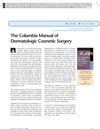 November 2002 in “Skinmed”
 The book is a practical introduction to cosmetic dermatologic surgery for doctors.
 March 1997 in “The American Journal of Cosmetic Surgery”
 A new hair transplant method showed promising results and a study found how deep a CO₂ laser can penetrate skin.
 May 1948 in “Journal of the American Medical Association”
 The reply suggests checking for false positive or asymptomatic syphilis and using penicillin for treatment if necessary.
 December 2020 in “Lasers in Surgery and Medicine”
 Laser safely and effectively removes unwanted scalp micropigmentation.
 April 2017 in “Journal of Investigative Dermatology”
 Found new possible treatments for hair loss.

PmtHEE is a better model for studying pigmented skin because it includes melanocytes and shows improved cell differentiation.
 April 2026 in “Biosensors”
 Red light increases hair follicles and ATP in mouse skin.
January 2026 in “International Journal of Cosmetic Science” Hair vibrancy involves how hair looks and feels, helping create better hair products.
47 citations
,
September 1997 in “Journal of Pharmaceutical Sciences” Properly formulated large molecules can reach active levels at the hair bulb.
 August 2024 in “Journal of the Korean Society of Cosmetology”
 Wild peach leaf extract improves hair strength, thickness, and shine after dyeing.
7 citations
,
September 2019 in “Journal of Investigative Dermatology”  12 citations
,
June 2010 in “Journal of dermatology”
12 citations
,
June 2010 in “Journal of dermatology” Some patients with severe alopecia areata developed skin darkening from their treatment, which may indicate a less effective response to the therapy.
 8 citations
,
April 1965 in “Archives of biochemistry and biophysics”
8 citations
,
April 1965 in “Archives of biochemistry and biophysics” Sheep wool follicles can metabolize both glucose and acetate using different pathways important for wool growth.
 7 citations
,
February 2018 in “International Journal of Pharmaceutics”
7 citations
,
February 2018 in “International Journal of Pharmaceutics” Researchers developed a method to measure drugs in hair follicles and found that both water-loving and fat-loving drugs can be detected after being applied to the skin.
January 2013 in “วารสารเภสัชศาสตร์อีสาน (Isan Journal of Pharmaceutical Sciences, IJPS)” Safflower extract increases melanin production in certain skin cells without harming them.
6 citations
,
January 2018 in “International Journal of Dermatology” Repigmentation patterns in vitiligo depend on melanocyte source, lesion status, and therapy choice.
4 citations
,
October 2021 in “International Journal of Cosmetic Science” Cirsium japonicum flower extract increases melanin production and could help treat depigmentation conditions.
37 citations
,
January 1986 in “Carcinogenesis” ODC expression in mouse skin and tumors is varied and can be inhibited by retinoic acid or cycloheximide.
67 citations
,
January 1992 in “Journal of Investigative Dermatology”