 1 citations
,
July 2016 in “Cosmetics”
1 citations
,
July 2016 in “Cosmetics” Black henna tattoos can cause severe allergies to hair and textile dyes, and there's a need for greater public awareness and regulation.
 January 2007 in “Journal of the American Academy of Dermatology”
 A 73-year-old man's grey-white hair turned dark brown after eczema treatment.
 23 citations
,
April 2002 in “Journal of the American Academy of Dermatology”
23 citations
,
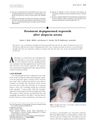
April 2002 in “Journal of the American Academy of Dermatology” Depigmented hair regrowth after alopecia areata can be permanent.
59 citations
,
March 2003 in “The Lancet” Imatinib can repigment grey hair, while SU11428 can cause temporary hair depigmentation.
June 2025 in “British Journal of Dermatology” Segmented hair color changes can indicate active alopecia areata.
June 2025 in “Clinical and Experimental Dermatology” Baricitinib treatment led to dark brown hair regrowth in a red-haired woman with alopecia areata.
32 citations
,
March 2016 in “American Journal of Physical Anthropology” African hair is curled, Asian hair is thick, European hair is lighter, and chemical methods help identify hair color differences.
 January 2010 in “Nihon Hou Kagaku Gijutsu Gakkaishi”
 The modified staining method can determine the ABO blood group of hair samples accurately.
February 2005 in “CRC Press eBooks” Hair color is due to active pigment cells in hair during growth.
 2 citations
,
May 2018 in “Australasian Journal of Dermatology”
2 citations
,
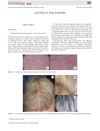
May 2018 in “Australasian Journal of Dermatology” Some patients' hair grew back black and white after chemotherapy.
1 citations
,
February 2003 UV radiation causes significant protein loss and color changes in hair, especially blond hair.
19 citations
,
April 2021 in “Journal of Cosmetic Dermatology” The treatment with silk proteins and linseed polysaccharides effectively protects and repairs chemically damaged hair.
Hair can naturally regain color after greying, and this change may be linked to stress levels.
2 citations
,
November 2024 in “JAAD Case Reports” Anti-PD-L1 immunotherapy can cause hair loss and unexpected hair color change, but treatment can restore hair growth and color.
 January 2000 in “Optics Letters”
 Laser treatment can inhibit hair growth and different hair colors reach different temperatures when lasered.
 11 citations
,
December 2016 in “Frontiers in Psychology”
11 citations
,
December 2016 in “Frontiers in Psychology” Hair style affects perceptions of age, health, and attractiveness more than hair color does.
 40 citations
,
August 2006 in “Current Drug Safety”
40 citations
,
August 2006 in “Current Drug Safety” Some drugs can cause hair loss, excessive growth, or color changes, often reversible but sometimes permanent.
1 citations
,
January 1988 Cosmetic treatments after chlorination damage hair more than treatments before.
 2 citations
,
August 2016 in “Lasers in Surgery and Medicine”
2 citations
,
August 2016 in “Lasers in Surgery and Medicine” Photodynamic therapy can remove nonpigmented hair in mice and might work for humans.
 66 citations
,
September 2005 in “Photochemical & photobiological sciences”
66 citations
,
September 2005 in “Photochemical & photobiological sciences” We don't fully understand how sunlight damages different types of hair.
51 citations
,
March 2001 in “Clinics in dermatology” Bleaching damages hair, making it rougher and weaker.
January 1994 in “Journal of the society of cosmetic chemists”  January 2003 in “Research Portal (King's College London)”
 Hair color affects light reflection, with black hair having higher cuticle angles and lighter hair showing less specular reflection.
 January 2024 in “Uttar Pradesh journal of zoology”
 Chemical treatments severely damage hair cuticles, especially in previously treated hair.
2 citations
,
May 2020 in “Journal of the American Academy of Dermatology” Using certain hair products may increase breast cancer risk in black women.
 October 2022 in “Southeast Asian journal of health professionals”
 Hair greying is seen as a sign of aging; temporary fixes like hair dye are used, but a balanced diet and hair care can help manage it.
 November 2017 in “Koubunshi rombunshuu/Kōbunshi ronbunshū”
 Hematin in shampoo helps repair and straighten damaged hair.
Gray hair affects hair's movement and appearance, making it less bouncy and more wavy.
 June 2021 in “Journal of emerging technologies and innovative research”
 Onion and Aloe vera can help protect hair from damage caused by hair dyes.
September 2010 in “International Journal of Cosmetic Science” Chemical treatments change hair surface properties, making it more hydrophilic and able to bind conditioners.