 October 2025 in “International Journal For Multidisciplinary Research”
 Traditional Indian hair remedies are gaining popularity for their natural and effective benefits in hair care.
 September 2025 in “International Journal for Research in Applied Science and Engineering Technology”
 Guava leaf extracts are beneficial for skin, hair, and oral care.
 January 2024 in “International Ayurvedic medical journal”
 Certain Prakruti types are more prone to early male pattern baldness.
 November 2023 in “International Journal For Multidisciplinary Research”
 Herbal hair oil made with natural ingredients helps reduce hair loss, dandruff, and graying.
 September 2023 in “Medical lasers”
 The botanical shampoo with Morus alba root extract is safe and effective for treating hair loss.
 July 2023 in “International Journal of Ayurvedic Medicine”
 Hair can indicate health issues and help diagnose and treat conditions in Ayurveda.
 May 2021 in “Journal of emerging technologies and innovative research”
 The polyherbal hair oil effectively treats hair problems with fewer side effects.
 September 2019 in “Acta scientific microbiology”
 No link between how fast you breathe and early grey hair was found.
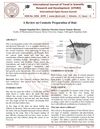 June 2018 in “International journal of trend in scientific research and development”
 The review explains how hair products work and the science of different hair types to help improve hair care research.
January 2018 in “Turkiye Klinikleri Journal of Dermatology” Commonly used plants in hair products can guide future research and help professionals recommend treatments.
 April 2017 in “International journal of research in Ayurveda and pharmacy”
 Ayurvedic methods can help reduce the harmful effects of chemicals in cosmetics.
 April 2017 in “The journal of investigative dermatology/Journal of investigative dermatology”
 QMSI is a valuable method for studying drug penetration in skin tissues.
 April 2017 in “The journal of investigative dermatology/Journal of investigative dermatology”
 CD101 is highly effective in treating dermatophytosis in guinea pigs.
April 2017 in “The journal of investigative dermatology/Journal of investigative dermatology” Topical Vorinostat shows promise for treating alopecia areata by promoting hair regrowth.
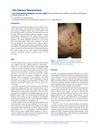 October 2016 in “Elsevier eBooks”
 Common noncancerous skin diseases have various treatments, including topical applications, light therapy, surgery, and medications, with psychological support being important.
 May 2013 in “Trends in Urology & Men's Health”
 Male-pattern hair loss is normal, often involves hormone effects on hair follicles, and can be treated with medication or surgery, but new treatments are being researched.
 January 2012 in “Surgical & Cosmetic Dermatology”
 Nutrition can improve hair strength and reduce breakage.
 January 2003 in “Annals of Dermatology”
 Iron deficiency can cause hair abnormalities, but taking iron can fix them and stop hair loss.
 October 2001 in “WORLD SCIENTIFIC eBooks”
 Many substances, including chemicals and metals, can cause skin reactions; careful handling and identification of allergens are crucial to prevent dermatitis.
 September 1994 in “The Journal of Dermatologic Surgery and Oncology”
 Dr. Dzubow concluded that careful attention to detail is crucial for the success of Mohs surgery in treating skin cancer.
 September 1983 in “Journal of The American Academy of Dermatology”
 Experts discussed hair care, genetic hair defects, hair loss treatments, nail surgery, lupus treatments, skin infections, and cosmetic allergies.
June 2025 in “OPAL (Open@LaTrobe) (La Trobe University)” A new hair dye method uses polyphenols and oxidation to create a long-lasting brown color on gray hair.
1 citations
,
September 2008 in “International Journal of Cosmetic Science” Using chelants in hair dye reduces fiber damage by preventing harmful radicals.
8 citations
,
January 2018 in “Journal of cosmetic dermatology” Conditioners in hair dye reduce damage and improve combability.
 555 citations
,
July 2001 in “Genes & Development”
555 citations
,
July 2001 in “Genes & Development” Tcf3 and Lef1 are key in deciding skin stem cell roles.
 532 citations
,
August 2011 in “Journal of the American Academy of Dermatology”
532 citations
,
August 2011 in “Journal of the American Academy of Dermatology” Vitiligo is a skin condition causing white spots, more common in women, often starts before age 20, and can affect mental health.
 501 citations
,
October 2008 in “Psychoneuroendocrinology”
501 citations
,
October 2008 in “Psychoneuroendocrinology” Hair cortisol levels can show increased stress during late pregnancy but only for up to six months.
 370 citations
,
September 1999 in “The New England Journal of Medicine”
370 citations
,
September 1999 in “The New England Journal of Medicine” Finasteride and minoxidil are effective for hair loss, but continued research is needed for better treatments.
 343 citations
,
March 2016 in “Nature Communications”
343 citations
,
March 2016 in “Nature Communications” IL-17-producing γδ T cells help improve bone healing.
 316 citations
,
June 2004 in “The journal of investigative dermatology/Journal of investigative dermatology”
316 citations
,
June 2004 in “The journal of investigative dermatology/Journal of investigative dermatology” Microspheres about 1.5 micrometers in size can best penetrate hair follicles, potentially reaching important stem cells.