 5 citations
,
January 2012 in “PubMed”
5 citations
,
January 2012 in “PubMed” Anti-MND antibodies are present in various diseases, not just PBC, and their levels don't correlate with disease activity or skin symptoms.
 1 citations
,
October 2019 in “International journal of contemporary pediatrics”
1 citations
,
October 2019 in “International journal of contemporary pediatrics” A 12-year-old boy with twenty nail dystrophy, a condition affecting all nails, was treated conservatively due to its self-limiting nature and good prognosis.
April 2024 in “Anais Brasileiros de Dermatologia”  October 2023 in “Cell & bioscience”
 A special gene region controls the re-emergence of a primitive wool type in Merino sheep, improving their wool yield and adaptability.
September 2023 in “International journal of molecular sciences” Targeting lipid metabolism can help treat advanced, resistant cancers.
November 2018 in “Journal of dermatology & cosmetology” The document reports the first case of a rare skin condition in Colombia, the 19th case worldwide.
 January 1999 in “American Journal of Medical Genetics Part A”
 The report expanded knowledge of MBTPS1-related disorders by identifying new symptoms.
8 citations
,
March 2007 in “The journal of investigative dermatology/Journal of investigative dermatology” The near-naked hairless mutation causes hair loss but is not due to a mutation in the hairless gene itself.
 February 2016 in “Aktuelle Dermatologie”
 Low-Level Laser Therapy significantly improves hair density in women with hormonally and age-related hair loss.
 May 2025 in “Cermin Dunia Kedokteran”
 Early detection and tailored treatment of lupus nephritis are crucial to prevent kidney damage.
58 citations
,
February 2013 in “Journal of Biological Chemistry” LGR5 mainly stays inside cells, moving to the trans-Golgi network, and this process is important for its role in cell signaling.
 37 citations
,
January 2023 in “Ophthalmology and Therapy”
37 citations
,
January 2023 in “Ophthalmology and Therapy” Low-level red light therapy can shorten eye length in some myopic children.
Deleting the MAD2L1 gene is tolerated in certain mouse cancer models.
13 citations
,
April 1994 in “Baillière's clinical endocrinology and metabolism” Some people have genetic mutations that make them resistant to vitamin D, leading to rickets even with enough vitamin D intake.
 August 2018 in “Journal of Investigative Dermatology”
 The conclusion is that using light-sheet fluorescence microscopy with a special solution can effectively create detailed 3D images of human skin for dermatological research.
10 citations
,
May 2020 in “Dermatologic therapy” Tildrakizumab significantly improved recalcitrant lichen planopilaris and frontal fibrosing alopecia.
 5 citations
,
February 2024 in “Clinical Pharmacokinetics”
5 citations
,
February 2024 in “Clinical Pharmacokinetics” A 50 mg daily dose of ritlecitinib is effective for alopecia areata, with temporary treatment breaks up to 6 weeks not affecting results.
99 citations
,
March 2013 in “Journal of Investigative Dermatology” Mutations in the ABCB6 gene cause Dyschromatosis Universalis Hereditaria.
 5 citations
,
October 2019 in “The journal of investigative dermatology/Journal of investigative dermatology”
5 citations
,
October 2019 in “The journal of investigative dermatology/Journal of investigative dermatology” The research linked PLCD1 gene variants to the development of trichilemmal cysts.
 4 citations
,
November 2016 in “Journal of Cutaneous Pathology”
4 citations
,
November 2016 in “Journal of Cutaneous Pathology” Three characteristics of plasmacytoid dendritic cells help tell apart lupus-related hair loss from LPP.
42 citations
,
February 2019 in “Circulation” Targeting ATM could help manage heart cell enlargement due to pressure overload.
November 2024 in “SKIN The Journal of Cutaneous Medicine” Ritlecitinib effectively reduces severe hair loss in alopecia areata over 24 months.
July 2025 in “Journal of Investigative Dermatology” Ritlecitinib reduces alopecia areata symptoms by blocking JAK3/TEC signaling and T-cell activity.
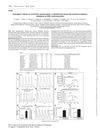 October 2019 in “European heart journal”
 Androgen-deprivation therapies increase the risk of certain heart conditions, but testosterone treatment may help.
May 2025 in “Dermatology Reports” A genetic mutation in the LIPH gene causes a rare hair disorder with sparse, curly hair.
 4 citations
,
July 2021 in “bioRxiv (Cold Spring Harbor Laboratory)”
4 citations
,
July 2021 in “bioRxiv (Cold Spring Harbor Laboratory)” BLMP-1 is important for regular molting and gene expression cycles in worms.
11 citations
,
July 2022 in “Frontiers in Immunology” Four specific genes are linked to keloid formation and could be potential treatment targets.
 14 citations
,
December 1998 in “The Journal of Clinical Endocrinology and Metabolism”
14 citations
,
December 1998 in “The Journal of Clinical Endocrinology and Metabolism” MENT could be a better option than testosterone for male hormone therapy and birth control because it works well at lower doses and has fewer side effects on the prostate.
 May 2022 in “International Journal for Research in Applied Science and Engineering Technology”
 Iron supplements combined with Quilib lotion effectively treat hair loss in people with iron deficiency anemia.