 31 citations
,
October 2010 in “Journal of the European Academy of Dermatology and Venereology”
31 citations
,
October 2010 in “Journal of the European Academy of Dermatology and Venereology” Some people with heavy hair shedding might actually have a hidden form of alopecia, which can be identified by specific hair changes.
 1 citations
,
January 2014 in “Hair therapy & transplantation”
1 citations
,
January 2014 in “Hair therapy & transplantation” The combination therapy of PEG-IFN α-2a and Ribavirin can cause widespread hair loss and skin reactions.
 December 2025 in “Cureus”
 Localized dystrophic epidermolysis bullosa (DEB) can lead to scarring alopecia, highlighting the need to recognize and address this complication.
25 citations
,
May 2013 in “Experimental Dermatology” Epidermal growth factor helps hair recover after chemotherapy.
18 citations
,
January 2018 in “BMC dermatology” A new mutation in the PLEC gene causes a rare condition with skin blistering, muscle weakness, and hair loss.
A rare genetic mutation causes severe immune issues, hair loss, and nail problems.
April 2018 in “Journal of Investigative Dermatology” Mutations in Far2 mice cause hair loss due to sebaceous gland issues.
3 citations
,
February 2001 in “British journal of ophthalmology” An Australian with rare hair loss and eye conditions had a gene linked to both, not seen together before.
 41 citations
,
December 2015 in “JAMA Dermatology”
41 citations
,
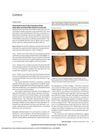
December 2015 in “JAMA Dermatology” Tofacitinib citrate improved nail dystrophy and pain in patients with alopecia universalis without causing side effects.
56 citations
,
September 2010 in “Veterinary pathology” Certain mouse strains develop a skin condition similar to a human hair loss disease due to genetic defects.
2 citations
,
June 2023 in “Clinical and Experimental Neuroimmunology” Thymoma may link myasthenia gravis, nail dystrophy, and alopecia areata.
 April 2019 in “International journal of research in dermatology”
 A child with rough nails also had hair loss and allergies.
44 citations
,
May 1980 in “Archives of Dermatology” "20-nail dystrophy" can have multiple causes.
 3 citations
,
January 2019 in “Annals of dermatology/Annals of Dermatology”
3 citations
,
January 2019 in “Annals of dermatology/Annals of Dermatology” Hydroxychloroquine effectively treated twenty-nail dystrophy in a patient with alopecia areata.
January 2026 in “Clinical and Experimental Dermatology” Ruxolitinib helped a patient with alopecia areata regrow hair.
April 2016 in “Journal of the American Academy of Dermatology” Treatment improved some symptoms but not all.
39 citations
,
September 2018 in “American Journal of Medical Genetics Part A” A new genetic mutation in the ODC1 gene causes developmental delay and other symptoms in a young girl.
28 citations
,
November 2018 in “American Journal of Medical Genetics Part A” ODC1 gene mutations cause a neurodevelopmental disorder with large head size, hair loss, and facial abnormalities.
1 citations
,
April 2016 in “Journal of Investigative Dermatology” Targeting specific T cells may help treat alopecia areata.
76 citations
,
January 2004 in “Journal of Investigative Dermatology” 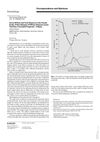 29 citations
,
January 2003 in “Dermatology”
29 citations
,
January 2003 in “Dermatology” The condition called 'acute diffuse and total alopecia of the female scalp' is actually a known condition named alopecia areata incognita.
 10 citations
,
August 2011 in “Clinics”
10 citations
,
August 2011 in “Clinics” The author clarified that Alopecia Areata Incognita (AAI) and diffuse Alopecia Areata (AA) are different conditions and the case discussed was actually AA, not AAI.
 6 citations
,
March 1990 in “Archives of Dermatology”
6 citations
,
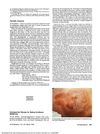
March 1990 in “Archives of Dermatology” Sam Shuster identified three types of hair loss in psoriasis and emphasized the need for better research to understand them.
 2 citations
,
January 2012 in “Journal of Cutaneous Pathology”
2 citations
,
January 2012 in “Journal of Cutaneous Pathology” The author clarifies that alopecia areata incognito and diffuse alopecia areata are different types of hair loss with unique symptoms and challenges in diagnosis.

The treatment with Bakuchiol and Neem oil significantly improved hair growth and was well-received by most participants.
 September 2021 in “CRC Press eBooks”
 Alopecia areata incognita causes sudden hair thinning, responds well to steroids, and is more common in those with genetic hair loss conditions.
 June 2019 in “Pediatric Dermatology”
 Alopecia in patients with epidermolysis bullosa varies in severity and is often caused by skin blistering or trauma.
October 2015 in “CRC Press eBooks” Scalp biopsy and digital phototrichogram help diagnose and manage different types of diffuse hair loss.
 20 citations
,
December 1997 in “Clinical Endocrinology”
20 citations
,
December 1997 in “Clinical Endocrinology” Spironolactone may help reduce hair loss in androgenic alopecia.
 106 citations
,
June 2005 in “Journal of Investigative Dermatology”
106 citations
,
June 2005 in “Journal of Investigative Dermatology” The document concludes that assessing hair follicle damage due to cyclophosphamide in mice involves analyzing structural changes and suggests a scoring system for standardized evaluation.