 9 citations
,
April 2006 in “American Journal of Pathology”
9 citations
,
April 2006 in “American Journal of Pathology” SGK3 is essential for proper hair growth and health.
 7 citations
,
July 2019 in “International Journal of Molecular Sciences”
7 citations
,
July 2019 in “International Journal of Molecular Sciences” PGA-4HGF may help treat hair loss by activating hair growth pathways and extending the hair growth phase.
 January 2012 in “Elsevier eBooks”
 Hair loss can cause emotional and social issues, and various treatments, including medication, surgery, and psychological support, are needed.
 1 citations
,
September 2024 in “Frontiers in Cell and Developmental Biology”
1 citations
,
September 2024 in “Frontiers in Cell and Developmental Biology” Pigs are a good model for studying human hair growth and disorders.
 46 citations
,
January 1996 in “Journal of The American Academy of Dermatology”
46 citations
,
January 1996 in “Journal of The American Academy of Dermatology” People with late-stage HIV-1 often experience a specific type of hair loss linked to multiple factors, including nutritional issues and immune responses.
1 citations
,
April 2016 in “Journal of Investigative Dermatology” Targeting specific T cells may help treat alopecia areata.
 60 citations
,
October 2009 in “Dermatology”
60 citations
,
October 2009 in “Dermatology” Alopecia areata may appear differently depending on the individual's type of hair loss and scalp condition.
 2 citations
,
January 2012 in “Journal of Cutaneous Pathology”
2 citations
,
January 2012 in “Journal of Cutaneous Pathology” The author clarifies that alopecia areata incognito and diffuse alopecia areata are different types of hair loss with unique symptoms and challenges in diagnosis.
 122 citations
,
April 1995 in “Journal of Cutaneous Pathology”
122 citations
,
April 1995 in “Journal of Cutaneous Pathology” The document describes how to tell different types of non-scarring hair loss apart by looking at hair and scalp tissue under a microscope.
 14 citations
,
November 2011 in “Journal of The American Academy of Dermatology”
14 citations
,
November 2011 in “Journal of The American Academy of Dermatology” Alopecia Areata Incognita causes widespread hair thinning, and treatment with systemic corticosteroids and psychiatric support can lead to remission.
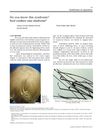
The document concludes that Loose Anagen Hair Syndrome is a benign condition where hair is thin and easily pulled out, often improving with age.

Activating certain hair follicle cells could prevent hair loss from cancer treatments.
 67 citations
,
November 2002 in “Journal of The American Academy of Dermatology”
67 citations
,
November 2002 in “Journal of The American Academy of Dermatology” The document concludes that careful evaluation is key to diagnose and treat women with hair loss, with tests for thyroid, iron, and hormones as needed.
 29 citations
,
January 2003 in “Dermatology”
29 citations
,
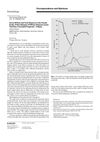
January 2003 in “Dermatology” The condition called 'acute diffuse and total alopecia of the female scalp' is actually a known condition named alopecia areata incognita.
 3 citations
,
September 2022 in “Archives of dermatological research”
3 citations
,
September 2022 in “Archives of dermatological research” The fractional carbon dioxide laser is a safe and effective treatment for alopecia areata and works better than betamethasone valerate cream alone.
 10 citations
,
August 2011 in “Clinics”
10 citations
,
August 2011 in “Clinics” The author clarified that Alopecia Areata Incognita (AAI) and diffuse Alopecia Areata (AA) are different conditions and the case discussed was actually AA, not AAI.
1 citations
,
January 1987 in “PubMed” The treatment helped promote hair growth in men with androgenetic alopecia.
The paper concludes that the patchiness of alopecia areata is likely due to when the immune attack happens in the hair growth cycle.
45 citations
,
July 2006 in “Journal of Investigative Dermatology” Chemotherapy affects blood vessels in hair follicles, not stem cells, allowing hair regrowth.
 April 2023 in “Journal of Investigative Dermatology”
 ALRN-6924 can protect hair follicles from chemotherapy damage by temporarily stopping cell division.
1 citations
,
July 2006 in “American Journal of Psychiatry” Lamotrigine can cause hair loss.
 40 citations
,
August 2010 in “Archives of dermatology”
40 citations
,
August 2010 in “Archives of dermatology” A 5-year-old boy's skin condition improved with systemic valganciclovir after a cardiac transplant and immunosuppressive therapy.
 April 2023 in “The journal of investigative dermatology/Journal of investigative dermatology”
 A PTH-based treatment improved hair regrowth better than ruxolitinib in a mouse model of hair loss.
 19 citations
,
January 2015 in “Journal of Clinical and Diagnostic Research”
19 citations
,
January 2015 in “Journal of Clinical and Diagnostic Research” The main causes of diffuse hair loss in women are telogen effluvium and androgenetic alopecia, often related to stress and iron deficiency.
 19 citations
,
December 2001 in “Dermatologic Therapy”
19 citations
,
December 2001 in “Dermatologic Therapy” Horizontal scalp biopsy sections are better for diagnosing alopecia areata, showing fewer hair follicles and more miniaturized hairs.
 17 citations
,
January 2010 in “International journal of trichology”
17 citations
,
January 2010 in “International journal of trichology” A man experienced hair loss from radiotherapy, which can be temporary or permanent depending on radiation dose, with potential treatments available.
148 citations
,
September 2003 in “Journal of Investigative Dermatology Symposium Proceedings” Alopecia areata is an autoimmune disorder causing hair loss, linked to specific hair follicle antigens and genetic factors.
 34 citations
,
June 1990 in “British Journal of Dermatology”
34 citations
,
June 1990 in “British Journal of Dermatology” Etretinate treatment changed hair growth patterns in many patients.
 33 citations
,
September 2012 in “Australasian Journal of Dermatology”
33 citations
,
September 2012 in “Australasian Journal of Dermatology” Chemotherapy can cause hair changes similar to alopecia areata, which might lead to misdiagnosis.
 23 citations
,
July 1982 in “International Journal of Dermatology”
23 citations
,
July 1982 in “International Journal of Dermatology” The review concludes that accurate diagnosis of different types of hair loss requires proper biopsy techniques and understanding the hair growth cycle and underlying causes.