Search
for
Sort by
Research
930-960 / 1000+ results
research DIAGNOSTIC VALUE OF CHROMOSOMAL MICROARRAY ANALYSIS IN PATIENTS WITH CONGENITAL ANOMALIES AND DYSMORPHIC FEATURES; DETAILS OF TWO NEW PATIENTS WITH 2q33 DELETIONS
Chromosomal microarray analysis is important for diagnosing rare genetic variations and guiding treatment.
research The Autoimmune Regulator (AIRE), Which Is Defective in Autoimmune Polyendocrinopathy-Candidiasis-Ectodermal Dystrophy Patients, Is Expressed in Human Epidermal and Follicular Keratinocytes and Associates With the Intermediate Filament Protein Cytokeratin 17
AIRE protein, defective in APECED patients, is found in skin and hair cells and interacts with cytokeratin 17.
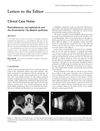
research Clinical Case Notes. Optical coherence tomography of adult-onset foveomacular vitelliform dystrophy
Multiple eye conditions were studied, highlighting the importance of various imaging methods for diagnosis, the vision side effects of drugs tamoxifen and Propecia, and the usefulness of optical coherence tomography for diagnosing and monitoring macular and retinal diseases.

research A Forty-Two-Year-Old Male with Multiple Gastrointestinal Polyps, Cutaneous Manifestations, and Nail Dystrophy
The man was diagnosed with Cronkhite-Canada syndrome, a rare disorder with GI polyps, skin issues, hair loss, and nail problems.
research Novel de novo pathogenic variant in the ODC1 gene in a girl with developmental delay, alopecia, and dysmorphic features
A new genetic mutation in the ODC1 gene causes developmental delay and other symptoms in a young girl.
research Gain‐of‐function variants in the ODC1 gene cause a syndromic neurodevelopmental disorder associated with macrocephaly, alopecia, dysmorphic features, and neuroimaging abnormalities
ODC1 gene mutations cause a neurodevelopmental disorder with large head size, hair loss, and facial abnormalities.
research A generalized reticulate eruption with scarring alopecia, vulvovaginitis, keratoderma, and 20-nail dystrophy in a 70-year-old woman
Treatment improved some symptoms but not all.
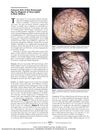
research Corkscrew Hair: A New Dermoscopic Sign for Diagnosis of Tinea Capitis in Black Children
Corkscrew hair may be a new sign for quickly diagnosing scalp fungus in black children.

research Coats' Plus: A Progressive Familial Syndrome of Bilateral Coats' Disease, Characteristic Cerebral Calcification, Leukoencephalopathy, Slow Pre- and Post-Natal Linear Growth and Defects of Bone Marrow and Integument
Coats' Plus is a genetic disorder with eye abnormalities, brain calcification, poor growth, bone and skin issues, and movement disorders.
research Comparison of Alopecia areata in Human and Nonhuman Mammalian Species
The document concludes that certain rats and mice are useful for studying hair loss in humans and testing treatments.
research Skin signs in the diagnosis of thallium poisoning
Thallium poisoning can cause severe neurological symptoms and hair loss.
research A Variable Monilethrix Phenotype Associated With a Novel Mutation, Glu402Lys, in the Helix Termination Motif of the Type II Hair Keratin hHb1
A new mutation, Glu402Lys, in hair keratin is linked to variable symptoms of monilethrix.
research Epidermolysis bullosa in animals: a review
Epidermolysis bullosa is a genetic disease causing fragile skin and blisters in both animals and humans.
research Trichoscopy as a clue to the diagnosis of scalp sarcoidosis
Orange spots in scalp trichoscopy can help diagnose scalp sarcoidosis.

research Inherited epidermolysis bullosa: clinical and therapeutic aspects
The document concludes that inherited epidermolysis bullosa is a challenging genetic condition requiring multidisciplinary care and new treatments.
research The value of dermoscopy in diagnosing eyebrow loss in patients with alopecia areata and frontal fibrosing alopecia
Trichoscopy effectively diagnoses eyebrow loss, distinguishing between alopecia areata and frontal fibrosing alopecia.

research Hair loss during lithium treatment
Lithium treatment can cause increased hair shedding and hair loss in patients.

research What can the hair tell us about COVID‐19?
Grey hair and baldness may be linked to COVID-19 severity, but more analysis is needed; post-infectious hair loss is related to the severity of the disease and usually recovers within 3-6 months.
research Recurrent missense mutations in the hair keratin gene hHb6 in monilethrix
Mutations in the hHb6 gene cause the hair disorder monilethrix.

research Evaluation of platelet‐rich plasma vs intralesional steroid in treatment of alopecia areata
Platelet-rich plasma is a safe and effective treatment for hair loss, with fewer relapses than steroid treatment.

research Serum drug level-related sodium valproate-induced hair loss
High levels of the seizure medication sodium valproate can cause hair loss.
research Structural changes in hair follicles and sebaceous glands of hairless mice following exposure to sulfur mustard
Sulfur mustard damages hair follicles and sebaceous glands in mice.
research Alopecia areata incognita
Alopecia Areata Incognita causes widespread hair thinning, and treatment with systemic corticosteroids and psychiatric support can lead to remission.
research Severe Monilethrix Associated with Intractable Scalp Pruritus, Posterior Subcapsular Cataract, Brachiocephaly, and Distinct Facial Features: A New Variant of Monilethrix Syndrome?
A new severe form of monilethrix syndrome includes hair loss, scalp itching, cataracts, and distinct facial features.

research Trichoscopy as an evaluation method for alopecia areata treatment: A comparative study
Trichoscopy is useful for diagnosing and monitoring alopecia areata treatment.

research Dermoscopy in hair disorders
Dermoscopy improves diagnosis of hair and scalp disorders and can help avoid unnecessary biopsies.
research Alopecia areata incognita: a comment
The author clarified that Alopecia Areata Incognita (AAI) and diffuse Alopecia Areata (AA) are different conditions and the case discussed was actually AA, not AAI.

research Hair loss in cancer chemotherapeutic patients.
Chemotherapy causes hair loss in cancer patients by affecting both growing and resting hair.
research Hair Loss as a Side Effect of Lamotrigine Treatment
A woman's hair loss stopped after she stopped taking lamotrigine, suggesting it might cause hair loss.