 21 citations
,
September 2016 in “Journal of Dermatological Treatment”
21 citations
,
September 2016 in “Journal of Dermatological Treatment” The new classification system for skin disorders emphasizes the importance of understanding a patient's awareness of their condition for better treatment.
 13 citations
,
November 2012 in “Journal of The European Academy of Dermatology and Venereology”
13 citations
,
November 2012 in “Journal of The European Academy of Dermatology and Venereology” Certain factors like allergies, nail problems, and hair loss patterns can predict how well someone with patchy hair loss will respond to skin cream treatments.
8 citations
,
April 2017 in “American Journal of Dermatopathology” Inflammation may cause nail issues in Cronkhite–Canada Syndrome.
 5 citations
,
September 2015 in “Nepalese journal of ophthalmology”
5 citations
,
September 2015 in “Nepalese journal of ophthalmology” An 11-year-old girl with a rare skin disorder also had cornea issues and dry eye, needing careful management.
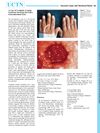 4 citations
,
December 2001 in “Endoscopy”
4 citations
,
December 2001 in “Endoscopy” Prednisolone and Bactrim improved symptoms in a woman with Cronkhite-Canada syndrome.
2 citations
,
May 2020 in “The journal of investigative dermatology/Journal of investigative dermatology” A TP63 gene mutation causes significant hair loss and mild skin, nail, and tooth abnormalities.
2 citations
,
June 2013 in “Journal of Dermatological Case Reports” Olmsted syndrome is a rare skin disorder causing thickened skin and other symptoms.
 1 citations
,
June 2015 in “Australasian Journal of Dermatology”
1 citations
,
June 2015 in “Australasian Journal of Dermatology” A patient with Cronkhite-Canada syndrome improved with nutritional support and steroids, but early diagnosis is key due to high mortality.
February 2025 in “Gastroenterology” Corticosteroids improved symptoms in a man with Cronkhite-Canada Syndrome.
 June 2024 in “British Journal of Dermatology”
 KRT14 gene variants cause dermatopathia pigmentosa reticularis, affecting nails, teeth, and hair.
 April 2023 in “The journal of investigative dermatology/Journal of investigative dermatology”
 Prostaglandin E2 helps prevent hair loss from radiotherapy by protecting hair growth cells and aiding self-repair.
 August 2020 in “International Journal of Research in Dermatology”
 Clouston's syndrome is a rare disorder affecting nails, hair, teeth, and skin, caused by a gene mutation, and currently has no treatment, only supportive care.
 January 2014 in “Progress of Digestive Endoscopy”
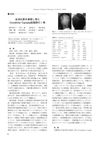
 Prednisolone improved symptoms in a woman with Cronkhite-Canada syndrome, but regular screenings are needed due to cancer risk.
 32 citations
,
June 2013 in “Journal of Investigative Dermatology”
32 citations
,
June 2013 in “Journal of Investigative Dermatology” Mice without certain skin proteins had abnormal skin and hair development.
 January 2014 in “Journal of Clinical and Investigative Dermatology”
 Young rats are better for testing hair loss treatments after chemotherapy.
175 citations
,
December 1980 in “Archives of Dermatology” Trichothiodystrophy is a condition with brittle hair and various physical and mental issues due to low sulfur in proteins.
 5 citations
,
June 2019 in “British Journal of Dermatology”
5 citations
,
June 2019 in “British Journal of Dermatology” Tofacitinib was more effective than apremilast in treating hair loss in a mouse model of alopecia areata.
 3 citations
,
April 2019 in “The journal of investigative dermatology/Journal of investigative dermatology”
3 citations
,
April 2019 in “The journal of investigative dermatology/Journal of investigative dermatology” ILC1 cells contribute to hair loss in alopecia areata.
ILC1-like cells may contribute to hair loss in alopecia areata.
ILC1-like cells may contribute to hair loss in alopecia areata and could be new treatment targets.
September 2019 in “Journal of Investigative Dermatology” Innate lymphoid cells type 1 may contribute to alopecia areata.
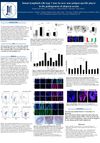
Innate lymphoid cells type 1 may contribute to alopecia areata by damaging hair follicles.
January 2000 in “Cambio 16” Bcl-2 affects hair growth and pigmentation by controlling cell death.
30 citations
,
August 2005 in “British journal of dermatology/British journal of dermatology, Supplement” A specific gene mutation causes hair loss and potential eye issues, even if vision seems normal.
 5 citations
,
January 1998 in “Clinical and experimental dermatology”
5 citations
,
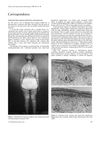
January 1998 in “Clinical and experimental dermatology” Myotonic dystrophy should be considered in patients with hair thinning, and genetic counseling is important.
56 citations
,
September 2010 in “Veterinary pathology” Certain mouse strains develop a skin condition similar to a human hair loss disease due to genetic defects.
9 citations
,
June 2017 in “American journal of ophthalmology. Case reports” A new mutation in the CDH3 gene causes hair loss and vision problems in a young girl.
 4 citations
,
January 2018 in “International Journal of Trichology”
4 citations
,
January 2018 in “International Journal of Trichology” A rare genetic disease causes sparse hair and early blindness due to a gene mutation.
3 citations
,
December 2020 in “Skin Appendage Disorders” Genetic testing confirmed a rare disorder causing hair loss and vision problems in a Saudi family, stressing its importance for diagnosis and counseling.
A genetic mutation in the CDH3 gene causes hair loss and vision problems in a young Saudi girl.