Search
for
Sort by
Research
510-540 / 1000+ results
research 1372 Modulation of YBX1 phosphorylation determines epidermal stem cell function
Changing YBX1 protein activity affects skin stem cell function and aging.
research Erlotinib-Associated Alopecia in a Lung Cancer Patient
Erlotinib can cause significant but temporary hair loss in lung cancer patients.
research IL-36γ drives skin toxicity induced by EGFR/MEK inhibition and commensal Cutibacterium acnes
A protein called IL-36γ causes skin side effects from certain cancer treatments when combined with a common skin bacteria.
research Ornithine decarboxylase is a target for chemoprevention of basal and squamous cell carcinomas in Ptch1+/– mice
Targeting ornithine decarboxylase can help prevent skin cancer.
research Wwox Deficiency Causes Downregulation of Prosurvival ERK Signaling and Abnormal Homeostatic Responses in Mouse Skin
WWOX deficiency in mice causes skin and fat tissue problems due to disrupted cell survival signals.

research Lnc056 Enhances Hair Follicle Stem Cells Proliferation by Binding Transcription Factor HNRNPUL1 to Up-Regulate TRIP6 Expression.
Lnc056 helps hair follicle stem cells grow by increasing TRIP6 expression.
research Effets secondaires cutanéo-muqueux des nouvelles molécules anticancéreuses: Inhibiteurs de l'EGF-R, inhibiteurs de tyrosine kinase et stabilisateurs du fuseau mitotique
New cancer drugs can cause skin side effects like rashes, dry skin, hair changes, and nail problems.
research Data from Tumor Necrosis Factor-α and Interleukin-1 Antagonists Alleviate Inflammatory Skin Changes Associated with Epidermal Growth Factor Receptor Antibody Therapy in Mice
TNFα and interleukin-1 blockers reduce skin inflammation from EGFR antibody therapy.
research YAP and TAZ are essential for basal and squamous cell carcinoma initiation
YAP and TAZ proteins are necessary for the development of two types of skin cancer.

research Cutaneous Lymphadenoma Is a Distinct Trichoblastoma-like Lymphoepithelial Tumor With Diffuse Androgen Receptor Immunoreactivity, Notch1 Ligand in Reed-Sternberg–like Cells, and Common EGFR Somatic Mutations
Cutaneous Lymphadenoma is a unique skin tumor with specific protein markers and common gene mutations that may cause continuous cell growth.

research EZH1 and EZH2 cogovern histone H3K27 trimethylation and are essential for hair follicle homeostasis and wound repair
EZH1 and EZH2 are crucial for healthy hair growth and skin repair.
research The human promyelocytic leukemia protein is a tumor suppressor for murine skin carcinogenesis
The PML protein helps prevent skin cancer in mice.

research Dermal EZH2 simultaneously orchestrates dermal differentiation and epidermal proliferation during murine skin development
Dermal EZH2 controls skin cell growth and differentiation in mice.

research Increased Expression of TSPEAR in Colorectal Cancer Predicts Poor Prognosis
High TSPEAR levels in colorectal cancer predict worse outcomes.

research Cell-Type-Specific Chromatin States Differentially Prime Squamous Cell Carcinoma Tumor-Initiating Cells for Epithelial to Mesenchymal Transition
Different types of skin cells have unique genetic markers that affect how likely they are to spread cancer.
research Delayed-onset pachyonychia congenita caused by a novel mutation in the V2 domain of keratin 6b
A new mutation in the K6b gene caused a girl's late-appearing nail condition.
research The Double-Edged Sword of Epidermal Growth Factor Receptor Inhibitor: Rash as Toxicity and Prognostic Marker
Rash from EGFRI treatment can indicate both side effects and treatment effectiveness.

research Resolution of the plantar hyperkeratosis of pachyonychia congenita during chemotherapy for Ewing sarcoma
Chemotherapy improved a girl's painful foot condition linked to pachyonychia congenita.

research Evidence for a functional interaction of WNT10A and EBF1 in male-pattern baldness
WNT10A and EBF1 interaction affects hair growth in male-pattern baldness.
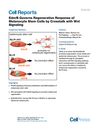
research EdnrB Governs Regenerative Response of Melanocyte Stem Cells by Crosstalk with Wnt Signaling
EdnrB signaling helps melanocyte stem cells regenerate and could be targeted to treat pigmentation issues.
research 1030 EGFR protects the upper hair follicle from staphylococcus driven folliculitis
EGFR helps protect hair follicles from bacterial infections.

research Association between epidermal growth factor and epidermal growth factor receptor gene polymorphisms and susceptibility to alopecia areata in Korean population
Certain gene variations might increase the risk of a hair loss condition in Koreans.
research Developmentally regulated expression of integrin alpha-6 distinguishes neural crest derivatives in the skin
Integrin α6 helps identify different neural crest cell types in the skin.

research EX VIVO DRUG SENSITIVITY EVALUATION OF A RARE ZMYM2::FGFR1+ LEUKEMIA PATIENT
Pemigatinib may be effective for treating ZMYM2::FGFR1 fusion-positive leukemia.

research Mammary Cells with Active Wnt Signaling Resist ErbB2-Induced Tumorigenesis
Cells with active Wnt signaling are less likely to turn into cancer when exposed to a cancer-causing gene.
research GENOTYPE ? PHENOTYPE CORRELATIONS IN CUTANEOUS MELANOMA PATIENTS CARRIER OF THE MITF p.E318K PATHOGENIC VARIANT
MITF+ melanoma patients are more likely to have multiple melanomas and unique skin patterns.
research Expression of Hex during feather bud development
Hex gene plays a crucial role in starting feather development in chick embryos.
research ALKBH5-mediated m6A demethylation fuels cutaneous wound re-epithelialization by enhancing PELI2 mRNA stability
ALKBH5 helps wounds heal faster by stabilizing PELI2 mRNA.
research Regulation of a hair follicle keratin intermediate filament gene promoter
The LEF-1 binding site enhances gene expression in hair follicles, with other proteins aiding specific regulation.