 April 2020 in “El-Minia Medical Bulletin”
 Microneedling is an effective treatment for hair regrowth in Alopecia Areata.
 1 citations
,
July 2025 in “The Ewha Medical Journal”
1 citations
,
July 2025 in “The Ewha Medical Journal” The Ewha Medical Journal is now in PubMed, has an AI article editor, and offers Korean reporting guidelines.
April 2023 in “Journal of Investigative Dermatology” Patients and doctors often disagree on alopecia areata severity and treatment satisfaction.
 31 citations
,
October 2010 in “Journal of the European Academy of Dermatology and Venereology”
31 citations
,
October 2010 in “Journal of the European Academy of Dermatology and Venereology” Some people with heavy hair shedding might actually have a hidden form of alopecia, which can be identified by specific hair changes.
 July 2026 in “bioRxiv (Cold Spring Harbor Laboratory)”
 ACA2 is crucial for root hair growth by controlling calcium levels in cells.
97 citations
,
January 2006 in “Dermatology” imTA and pulse therapy are effective for alopecia areata with manageable side effects, but relapse rates need improvement.
January 2025 in “Medical Research Archives” A new classification and scoring system is needed for alopecia areata to better assess severity.
1 citations
,
September 2023 in “Journal of the American Academy of Dermatology” Mini pulse corticosteroid therapy with oral dexamethasone is effective and has fewer side effects for treating extensive alopecia areata.
164 citations
,
December 1984 in “Proceedings of the National Academy of Sciences” TCDD reduces EGF receptor activity and causes various developmental changes in animals.
 April 2026 in “Dermatology and Therapy”
 The device improved hair growth and thickness in men without side effects.
April 2016 in “Journal of Investigative Dermatology” Mutations in the TSPEAR gene cause a new form of ectodermal dysplasia affecting hair and tooth development.
 2 citations
,
August 2012 in “Journal of the American Academy of Dermatology”
2 citations
,
August 2012 in “Journal of the American Academy of Dermatology” Two patients with the same genetic mutation had both blistering skin and easily pulled out hair.
 1 citations
,
January 2006
1 citations
,
January 2006 Diagonal earlobe and preauricular creases may indicate higher coronary artery disease risk in men.
 June 2026 in “Research Square”
 Alopecia areata may be influenced by both genetics and environment, requiring family monitoring and addressing stress and infections.
 December 2024 in “Dermatological Reviews”
 New treatments for Alopecia Areata, like JAK inhibitors, are effective, and future research is exploring advanced therapies.
 3 citations
,
January 2024 in “Annals of Dermatology”
3 citations
,
January 2024 in “Annals of Dermatology” The criteria help doctors diagnose and treat alopecia areata more effectively.
 4 citations
,
October 2018 in “Experimental Dermatology”
4 citations
,
October 2018 in “Experimental Dermatology” Dermoscopy shows that diffuse alopecia areata progresses through specific hair growth stages.
October 2024 in “Developmental Dynamics” Recent advances show zebrafish can model anemia, Alx4 affects craniofacial and hair development, and mTORC1 is crucial for retinal development.
 January 2022 in “Al-Azhar Medical Journal”
 Higher antigliadin antibody levels are linked to alopecia areata severity.
 October 2023 in “Research Square (Research Square)”
 Oxidative stress is linked to mild patchy alopecia areata.
 October 2021 in “Dermatology Reports”
 Higher IL-17A levels indicate more severe alopecia areata.
January 2004 in “DOAJ (DOAJ: Directory of Open Access Journals)” Men with androgenetic alopecia do not have elevated DHEA-S levels.
6 citations
,
October 2016 in “Pediatric Dermatology” A 6-year-old girl had a rare allergic reaction to a hair regrowth treatment.
July 2024 in “Journal of Investigative Dermatology” ITK inhibitors may effectively treat alopecia areata.
 5 citations
,
February 2019 in “Journal of oceanology and limnology (Online)”
5 citations
,
February 2019 in “Journal of oceanology and limnology (Online)” Ecklonia cava extract can reduce the damage and stress caused by hair dye.
April 2023 in “Journal of Investigative Dermatology” CD206+ macrophages are crucial for hair growth in alopecia areata treatment.
 July 2023 in “The Egyptian Journal of Hospital Medicine ”
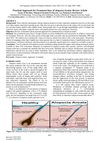
 The conclusion is that emotional support and a variety of treatments are important for alopecia areata, but more research is needed.
 21 citations
,
February 2012 in “Journal of the European Academy of Dermatology and Venereology”
21 citations
,
February 2012 in “Journal of the European Academy of Dermatology and Venereology” Late-onset alopecia areata in Taiwanese patients is more common in women, usually starts at age 57, often involves less than 10% hair loss, and may have a minimal link to thyroid issues.
October 2021 in “Postepy Dermatologii I Alergologii” No significant link was found between the studied genes and female hair loss in the Polish population.
 10 citations
,
October 2015 in “Medicina Clínica (english Edition)”
10 citations
,
October 2015 in “Medicina Clínica (english Edition)” Recombinant human epidermal growth factor is versatile, effective, and safe for long-term skin and mucosal treatments.