AGA causes permanent hair loss; women use 2% minoxidil, men use 1 mg finasteride daily.
 March 2011 in “European Urology Supplements”
 Gene variation affects prostate issues and hair loss.
 February 2010 in “Journal of The American Academy of Dermatology”
 Lower nitric oxide and higher fibrinogen found in hirsute women; impaired sexual function in 22.6% of hair loss patients, linked to psoriasis severity.
 September 1997 in “Journal of The European Academy of Dermatology and Venereology”
 Topical spironolactone effectively treats hair loss in women.
 9 citations
,
January 2001 in “Dermatology”
9 citations
,
January 2001 in “Dermatology” Pili anulati may cause hair loss, proper diagnosis and treatment needed.
The new treatment regimen was effective in promoting significant hair growth in all 15 male patients with androgenic alopecia.
 51 citations
,
October 2002 in “British Journal of Dermatology”
51 citations
,
October 2002 in “British Journal of Dermatology” Finasteride increases hair density in female androgenetic alopecia, but individual results may vary.
 40 citations
,
June 2009 in “Journal of Cutaneous Pathology”
40 citations
,
June 2009 in “Journal of Cutaneous Pathology” AGA patients have fewer hairs and smaller follicles; T:V ratio above 4:1 may indicate AGA.
 29 citations
,
October 2012 in “Anais Brasileiros De Dermatologia”
29 citations
,
October 2012 in “Anais Brasileiros De Dermatologia” Diagnosing hair loss disorders needs clinical, dermoscopic, and histological differences, and checking menstrual cycle, weight changes, drug therapy, and nail changes.
 29 citations
,
July 2009 in “Journal of Dermatology”
29 citations
,
July 2009 in “Journal of Dermatology” 5% minoxidil works better for hair growth than 1% minoxidil.
 25 citations
,
March 2013 in “British Journal of Dermatology”
25 citations
,
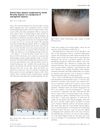
March 2013 in “British Journal of Dermatology” Woman has discoid lupus, frontal fibrosing, and androgenetic alopecia.
 11 citations
,
September 1997 in “Archives of Dermatology”
11 citations
,
September 1997 in “Archives of Dermatology” Reduced androgens linked to kinky hair disorder and hair loss; 5a-reductase inhibitors may help.
 8 citations
,
March 2021 in “Medicina-lithuania”
8 citations
,
March 2021 in “Medicina-lithuania” PRP treatment may promote hair growth and improve hair density in women with AGA, but more research is needed.
 8 citations
,
November 2019 in “Dermatologic Clinics”
8 citations
,
November 2019 in “Dermatologic Clinics” AGA treatments like minoxidil and LLLLT are safe and effective for gender minority patients.
 7 citations
,
July 2018 in “Journal of Investigative Dermatology”
7 citations
,
July 2018 in “Journal of Investigative Dermatology” Gene differences found in hair follicles linked to male baldness.
 5 citations
,
September 2011 in “Pediatric Dermatology”
5 citations
,
September 2011 in “Pediatric Dermatology” Two young siblings experienced hair loss without hormone issues or other skin problems.
 4 citations
,
April 2020 in “Journal of Cosmetic Dermatology”
4 citations
,
April 2020 in “Journal of Cosmetic Dermatology” Low vitamin D levels are linked to different types of hair loss.
 4 citations
,
January 2015 in “Journal of clinical & experimental dermatology research”
4 citations
,
January 2015 in “Journal of clinical & experimental dermatology research” PRP injections may slightly improve hair density and count for male hair loss, but more research is needed.
 4 citations
,
November 2011 in “Archives of Dermatology”
4 citations
,
November 2011 in “Archives of Dermatology” Hamilton scale imprecise, hair shaft diameter decreases, stem cell transplant regrows hair, ECP ineffective for alopecia areata universalis.
 3 citations
,
January 2018 in “Dermatology”
3 citations
,
January 2018 in “Dermatology” Scalp biopsies help tell apart androgenetic alopecia and alopecia areata.
 3 citations
,
November 1999 in “Journal of Cutaneous Medicine and Surgery”
3 citations
,
November 1999 in “Journal of Cutaneous Medicine and Surgery” AGA is a genetic, hormonal hair loss treated with finasteride, minoxidil, and supplements, but new compounds are being developed.
 3 citations
,
February 1990 in “Contact Dermatitis”
3 citations
,
February 1990 in “Contact Dermatitis” Contact dermatitis may speed up hair loss in some cases.
 2 citations
,
August 2020 in “Cosmetics”
2 citations
,
August 2020 in “Cosmetics” Herbal formula shows promise for hair loss treatment.
 1 citations
,
May 2017 in “InTech eBooks”
1 citations
,
May 2017 in “InTech eBooks” Hair loss in Androgenetic alopecia (AGA) is due to altered cell sensitivity to hormones, not increased hormone levels. Hair growth periods shorten over time, causing hair to become thinner and shorter. This is linked to miscommunication between cell pathways in hair follicles. There's also a change in gene expression related to blood vessels and cell growth in balding hair follicles. The exact molecular causes of AGA are still unclear.
 March 2026 in “International Journal of Homoeopathic Sciences”
 Homeopathic and biochemic treatments led to hair regrowth and improved confidence in a man with hair loss.
 August 2025 in “Benha Medical Journal”
 PRP therapy improves hair growth safely in androgenetic alopecia but needs standardized methods.
 June 2018 in “Advances in Cosmetic Surgery”
 Hair loss caused by genetics and hormones; more research needed for treatments.
 September 1998 in “Journal of The European Academy of Dermatology and Venereology”
 Phototrichogram helps assess hair loss severity.
 1 citations
,
November 2018 in “International research journal of pharmacy”
1 citations
,
November 2018 in “International research journal of pharmacy” Platelet Rich Plasma (PRP) treatment is safe and effective for hair growth in people with androgenic alopecia, and can also help treat bacterial infections.
 174 citations
,
November 2002 in “Expert Reviews in Molecular Medicine”
174 citations
,
November 2002 in “Expert Reviews in Molecular Medicine” Hair loss needs more research for better treatments.