 7 citations
,
September 2021 in “Anais Brasileiros De Dermatologia”
7 citations
,
September 2021 in “Anais Brasileiros De Dermatologia” COVID-19 can cause temporary hair loss, often starting around 7-8 weeks after recovery, with factors like Vitamin D deficiency, other diseases, medication, and stress potentially contributing.
 November 2023 in “Heliyon”
 A woman got a serious eye infection after a hair loss treatment due to improper procedure.
 January 2023 in “Case Reports in Obstetrics and Gynecology”
 A woman's high testosterone levels and related symptoms improved after ovary removal surgery.
 October 2016 in “Journal of the Dermatology Nurses’ Association”
 Polycystic Ovary Syndrome (PCOS) affects 6%-15% of women of reproductive age, causing symptoms like acne and hair loss, and increasing the risk of type 2 diabetes and heart disease; it's managed through diet, exercise, and medications like Metformin and hormonal contraceptives.
 21 citations
,
February 2021 in “Frontiers in Endocrinology”
21 citations
,
February 2021 in “Frontiers in Endocrinology” Hormones affect prostate health and disease, with certain hormone imbalances linked to prostate cancer and benign prostatic hyperplasia.
 1 citations
,
August 2020 in “Open Access Macedonian Journal of Medical Sciences”
1 citations
,
August 2020 in “Open Access Macedonian Journal of Medical Sciences” Skin problems like rashes and hair loss can help diagnose and predict COVID-19.
 1 citations
,
February 2020 in “Cureus”
1 citations
,
February 2020 in “Cureus” Women with PCOS are more likely to have skin problems like excessive hair, acne, and hair loss.
 21 citations
,
January 2022 in “Biomaterials Science”
21 citations
,
January 2022 in “Biomaterials Science” RNA delivery is best for in-body use, while RNP delivery is good for outside-body use. Both methods are expected to greatly impact future treatments.

Men with CCCA often face delayed diagnosis and severe hair loss, highlighting the need for earlier recognition and treatment.
Alopecia Areata has no cure, treatments are limited, and the condition often recurs, but new therapies like JAK inhibitors show promise.
 January 2007 in “Elsevier eBooks”
 Alopecia areata is a reversible, autoimmune-related hair loss that can have significant emotional impact and uncertain treatment effectiveness.
 7 citations
,
May 2005 in “Experimental Dermatology”
7 citations
,
May 2005 in “Experimental Dermatology” Two mouse mutations cause similar hair loss despite different skin changes.
 109 citations
,
May 2011 in “Dermatologic Therapy”
109 citations
,
May 2011 in “Dermatologic Therapy” Alopecia areata is a type of hair loss that can lead to complete baldness, often associated with other autoimmune conditions, and half of the cases may see hair return within a year.
 11 citations
,
March 2013 in “Gene”
11 citations
,
March 2013 in “Gene” A certain genetic variation in the IL1A gene may lower the risk of a hair loss condition in Chinese people.
 2 citations
,
February 2014 in “Hair therapy & transplantation”
2 citations
,
February 2014 in “Hair therapy & transplantation” Alopecia Areata is an autoimmune condition causing hair loss, influenced by genetics, environment, and possibly improved by anti-MIF therapy, with many patients experiencing regrowth within a year.
May 2025 in “International Journal of Women’s Dermatology” 5-alpha reductase inhibitors and spironolactone don't increase gynecological tumor risk, glucagon-like-peptide-1 receptor agonists may increase alopecia risk, sanitary pads can cause dermatitis, early hidradenitis suppurativa intervention is crucial for Hispanic patients, community education boosts skin cancer awareness, metformin may improve skin cancer survival, LNG-IUDs can increase acne risk, machine learning accurately detects basal cell carcinoma, JAK-inhibitors may raise miscarriage risk, inclusive skincare ads affect those with darker skin, and CCCA in Black women might involve autoimmunity.
 1 citations
,
May 2015 in “Journal of The American Academy of Dermatology”
1 citations
,
May 2015 in “Journal of The American Academy of Dermatology” Oral clindamycin and rifampicin are the most effective treatments for Folliculitis decalvans.
114 citations
,
August 2002 in “Journal of Investigative Dermatology” Alopecia areata is caused by an immune response, and targeting immune cells might help treat it.
 3 citations
,
January 2019 in “Journal of Dermatology”
3 citations
,
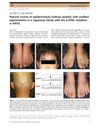
January 2019 in “Journal of Dermatology” The p.P25L mutation in the KRT5 gene causes a rare skin condition that worsens over time and may lead to hair loss starting in young adulthood.
 May 2023 in “Clinical and Experimental Dermatology”
 Alopecia areata has a high chance of persisting and relapsing, with a significant risk of total hair loss, especially if it starts in childhood.
 March 2018 in “Nepal journal of dermatology, venereology & leprology”
 Hair loss linked to prostate enlargement; stress and family history important factors.
 43 citations
,
November 2019 in “American Journal of Clinical Dermatology”
43 citations
,
November 2019 in “American Journal of Clinical Dermatology” FAGA diagnosis uses blood tests and trichoscopy, with treatments like topical minoxidil, oral anti-androgens, and hormone-modulating drugs.
People with androgenic alopecia are more likely to have metabolic syndrome than healthy individuals.
 20 citations
,
January 2014 in “International Journal of Trichology”
20 citations
,
January 2014 in “International Journal of Trichology” Hair loss linked to heart disease in young men.
Hair loss in young men in Central India is linked to severe heart disease.
 February 2010 in “Journal of The American Academy of Dermatology”
 Women with androgenetic alopecia may have higher blood pressure levels.
 222 citations
,
October 1993 in “Journal of The American Academy of Dermatology”
222 citations
,
October 1993 in “Journal of The American Academy of Dermatology” Hair loss affects women's mental health more than men's, causing anxiety, low self-esteem, and social insecurity.
 55 citations
,
July 2016 in “Dermatologic Therapy”
55 citations
,
July 2016 in “Dermatologic Therapy” Multiple treatments work best for hair loss.
 1 citations
,
July 2018 in “Elsevier eBooks”
1 citations
,
July 2018 in “Elsevier eBooks” Heredity and hormones cause common hair loss, and topical minoxidil is the first recommended treatment.
 December 2025 in “Journal of Skin and Stem Cell”
 Patients with androgenetic alopecia often have abnormal lipid levels, so they should be screened and advised on lifestyle changes to prevent heart issues.