 January 2018 in “Springer eBooks”
 Cancer treatments targeting specific cells often cause skin, hair, and nail problems, affecting patients' lives and requiring careful management.

Botulinum toxin type A significantly reduces scalp psoriasis severity compared to placebo.
 January 2018 in “Elsevier eBooks”
 Topical imiquimod is as effective as 5-fluorouracil for treating actinic keratosis, with about a 5% risk of it turning into squamous cell carcinoma.
 June 2017 in “Journal of evolution of medical and dental sciences”
 About 22% of cancer patients had skin-related side effects from chemotherapy, but these were usually not severe enough to halt treatment.
 April 2017 in “Journal of Investigative Dermatology”
 Researchers improved a method to study individual cells in newborn mouse skin and found a way to assess the severity of a skin condition in humans.
 April 2017 in “InTech eBooks”
 Many people with hair loss experience scalp pain known as trichodynia, but the causes are unclear and treatments vary.
 April 2017 in “Journal of Investigative Dermatology”
 Early and late matrix progenitors in hair follicles create different cell layers, with early ones forming the companion layer and later ones forming the inner root sheath and hair shaft.
 April 2017 in “Journal of Investigative Dermatology”
 Sweat glands and hair follicles are determined by opposing signals, with BMPs promoting sweat glands and blocking BMPs leading to hair follicles.
 April 2017 in “Journal of Investigative Dermatology”
 Chemotherapy and radiation therapy cause skin and hair damage by altering gene expression and signaling pathways.
 April 2017 in “Journal of Investigative Dermatology”
 The study found a link between the severity of Lichen Planopilaris seen by doctors and the details seen under a microscope, and created a new way to measure this severity.
 January 2017 in “Qucosa (Saxon State and University Library Dresden)”
 Plasma protein binding significantly affects glucocorticosteroid concentration in blood, saliva, and hair.
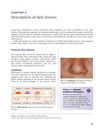
The document explains different types of skin lesions and their characteristics, causes, and related conditions.
 December 2016 in “British Journal of Dermatology”
 The meeting highlighted the importance of genetic testing and multidisciplinary approaches in pediatric dermatology.
 June 2016 in “CRC Press eBooks”
 Sleep problems and skin issues affect each other; poor sleep can worsen skin conditions, and some skin treatments can improve or harm sleep quality.
 February 2015 in “Dermatologic Surgery”
 Smaller reticle sizes are as accurate as the standard size for measuring hair density in hair restoration.
 January 2015 in “Dermatology”
 The document covers various dermatological treatments and conditions.
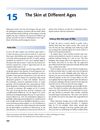
Skin changes throughout life, from development before birth to aging effects like wrinkles, influenced by both genetics and environment.
 September 2014 in “Springer eBooks”
 Men and women experience skin aging differently due to changes in sex hormone levels with age.

Chemotherapy can cause skin issues and hair loss, and this guide explains how to manage them.
 May 2013 in “Springer eBooks”
 Skin problems in the elderly are unique and may indicate other diseases, involving changes in skin, hair, nails, and increased cancer risk.
 January 2013 in “Journal of dermatology”
 A new medical syndrome may include skin changes, hair loss, sweating issues, bone malformations, leg swelling, and low cortisol.
 April 2012 in “Informa Healthcare eBooks”
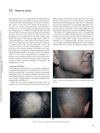
 Alopecia areata is a common autoimmune condition causing varying hair loss, diagnosed by specific patterns of inflammation around hair follicles, with several treatment options available.
 April 2012 in “Informa Healthcare eBooks”
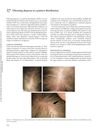
 Fibrosing alopecia in a pattern distribution is a unique hair loss condition with inflammation and scarring, resembling but distinct from common balding.
 April 2012 in “Informa Healthcare eBooks”
 Lichen planopilaris is a rare, chronic condition causing hair loss, mainly in middle-aged women, and early treatment is important to prevent permanent baldness.
 January 2012 in “Methods in pharmacology and toxicology”
 Hair follicle culture helps study hair growth but has limitations in modeling the full hair cycle.
 January 2010 in “Elsevier eBooks”
 The document concludes that different types of hair loss have specific treatments, and early diagnosis is crucial for preventing permanent hair loss.
 August 2009 in “Expert Review of Dermatology”
 Pregnancy can cause skin changes and conditions that need correct diagnosis and treatment for the health of the mother and baby.
 June 2006 in “British Journal of Dermatology”
 Lower adrenal hormone levels may cause hair loss in postmenopausal women, certain patterns help diagnose nail cancer, and a gene variant linked to higher skin cancer risk in kidney transplant patients suggests monitoring folate levels.
 March 2006 in “Drug Discovery Today: Therapeutic Strategies”
 The 2006 editorial concluded that immunotherapy was advancing with new drugs, focusing on specific biological therapies and convenient oral treatments, and highlighted the importance of partnerships and new regulations in the field.
 January 2006 in “Carl von Ossiezky University of Oldenburg”
 Unpigmented keratinocytes absorb substances faster, while melanocytes bind more strongly to melanin.