June 2022 in “Narrative Inquiry in Bioethics” Organ transplants can greatly improve life but also bring challenges, requiring empathy and better communication from providers.
 May 2022 in “Frontiers in Cell and Developmental Biology”
 miR-29a-5p prevents the formation of early hair structures by targeting a gene important for hair growth and is regulated by a complex network involving lncRNA627.1.
April 2022 in “Journal of Investigative Dermatology” Hair shaft miniaturization leads to hair follicle stem cell loss, suggesting Piezo1 as a potential treatment target.
Hairlessness in mammals is due to complex genetic changes in both genes and regulatory regions.
CCC1 is crucial for pH balance in plant cells, affecting growth and stress tolerance.
Keratinocytes can reduce the survival of certain melanoma cells, suggesting new therapy paths.
Different types of sun exposure damage skin cells and immune cells, with chronic exposure leading to more severe and lasting damage.
February 2021 in “Journal of the European Academy of Dermatology and Venereology” Alopecia areata is linked to more chronic illnesses, a specific lamp helps with notalgia paresthetica itch, pycnogenol aids melasma treatment, and dupilumab improves severe atopic dermatitis in children.
New acne treatments like clascoterone and minocycline foam are effective, and using antibiotics carefully is important to avoid resistance.
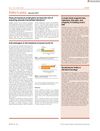 January 2021 in “Journal of the European Academy of Dermatology and Venereology”
 PrEP doesn't increase STI risk in high-risk men, anti-androgen drugs may lower ICU admission for male COVID-19 patients, a 3-point injection is better for crow's feet, and the 'Geriatric-8' tool could help assess frailty in older skin cancer patients.
 July 2019 in “Journal of Cosmetic Dermatology”
 The July 2019 journal had articles on rosacea treatment and herbal hair loss remedies.
February 2019 in “Urology” Generic drugs for benign prostatic hyperplasia can cost up to 500% more at chain pharmacies compared to independent ones.
January 2019 in “Deleted Journal”  October 2018 in “Current Opinion in Genetics & Development”
 The document emphasizes the importance of ongoing research and ethical considerations in genome editing and cellular reprogramming.
 May 2018 in “Journal of Cosmetic and Laser Therapy”
 The editorial discusses the effectiveness and safety of various laser and energy-based cosmetic treatments.
 April 2018 in “Journal of Cosmetic and Laser Therapy”
 The editorial introduces studies on various cosmetic and laser treatments, their effectiveness, and posttreatment care.
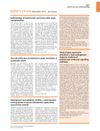 November 2017 in “British Journal of Dermatology”
 Organ transplant recipients have a higher risk of skin cancer over time, atopic dermatitis skin shows unusual bacterial and fungal patterns, a new tool for measuring hidradenitis suppurativa severity was created, and gene expression changes in male baldness suggest new treatments.
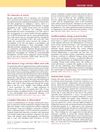 August 2017 in “Journal of Investigative Dermatology”
 Activin increases skin tumor formation, skin Tregs help hair growth, lymph-node removal doesn't improve melanoma survival, cells can revert to stem cells in wound healing, and skin bacteria produce peptides that may treat infections.

Mesenchymal stem cells could potentially help regenerate hair in people with hair loss.
January 2017 in “ResearchSpace (University of KwaZulu-Natal)” Edamame soy beans are a healthier, low-fat protein source preferred over sweet snacks, especially when flavored.
 January 2015 in “International Journal of Trichology”
 Lithium can treat bipolar disorder but may cause hair loss and other hair problems.

The conclusion cannot be provided because the document is not accessible.
 October 2013 in “Journal of Investigative Dermatology”
 Collagen VII helps skin heal and stay strong, sirolimus may lower skin cancer risk in kidney transplant patients, high-molecular-mass hyaluronan helps naked mole rats resist cancer, dermal γδ T cells aid in hair growth in rodents, and overexpression of IL-33 in mouse skin causes itchiness, offering a model for studying allergic inflammation treatments.
5-ARI therapy may help prevent prostate cancer progression.
 August 2012 in “Journal of Evidence-Based Medicine”
 The issue discussed China's research contributions, systematic review improvements, and featured various medical studies and trials.
 January 2012 in “Journal of Investigative Dermatology”
 Small molecule DMF improves psoriasis and multiple sclerosis, adult skin cells can be made to grow new hair, certain skin cells initiate hair growth, IL-17C controls gut health and can cause skin inflammation, and skin cells produce IL-17 that can lead to psoriasis.
January 2012 in “Journal of Northwest A & F University” The Eda gene helps regulate the hair cycle in goats.
 February 2011 in “Journal of Investigative Dermatology”
 New findings suggest targeting IL-23 could treat psoriasis, skin cells can adapt to new roles, direct conversion of skin cells to blood cells may aid cell therapy, removing certain tumor cells could boost cancer immunotherapy, and melanoma may have many tumorigenic cells, not just cancer stem cells.