 January 2022 in “Social Science Research Network”
 The Ar/miR-221/IGF-1 pathway is involved in male pattern baldness, with miR-221 potentially being a new target for treatment.
100 citations
,
August 2011 in “Journal of Investigative Dermatology” Lack of vitamin D receptor increases skin tumor risk by boosting hedgehog signaling.
 12 citations
,
September 2021 in “PLoS ONE”
12 citations
,
September 2021 in “PLoS ONE” WNT10A and EBF1 interaction affects hair growth in male-pattern baldness.
32 citations
,
May 2018 in “The Plant Cell” ERULUS is crucial for root hair growth by controlling calcium levels.
5 citations
,
March 2025 in “Phytomedicine” Deoxyshikonin from Arnebiae Radix helps hair grow by activating a specific cell pathway.
56 citations
,
January 2022 in “Burns & Trauma” WNT5A contributes to keloid scars by promoting cell changes through specific signaling pathways.
 11 citations
,
July 2015 in “Gene”
11 citations
,
July 2015 in “Gene” DHT affects bone growth by altering gene activity in osteoblasts, potentially complicating steroid use.
16 citations
,
November 2018 in “The journal of pain/Journal of pain” 14,15-EET may help reduce poststroke pain by affecting certain brain proteins.
CRISPR gene editing reduces harmful molecules in cells from Emery–Dreifuss Muscular Dystrophy patients.
The enzyme Dgat1 is essential for healthy hair and skin by controlling retinoid levels.
 May 2017 in “bioRxiv (Cold Spring Harbor Laboratory)”
 The peach gene pCTG134 helps control the interaction between auxin and ethylene hormones during fruit ripening.
 February 2013 in “Journal of the American Academy of Dermatology”
 Certain gene variations might increase the risk of a hair loss condition in Koreans.
16 citations
,
April 2021 in “Plant Signaling & Behavior” MYB30 and EIN3 work against each other to control root hair growth and phosphorus uptake in plants when phosphate is low.
 76 citations
,
April 2005 in “Cancer Epidemiology, Biomarkers & Prevention”
76 citations
,
April 2005 in “Cancer Epidemiology, Biomarkers & Prevention” E211 G>A gene linked to lower risk of severe prostate cancer and hair loss.
44 citations
,
January 2023 in “New Phytologist” FER and TOR signaling help root hair growth in low temperature and low nitrate conditions.
December 2021 in “Figshare” BBS7 is crucial for maintaining healthy gums by regulating important signaling pathways.
 3 citations
,
December 2020 in “bioRxiv (Cold Spring Harbor Laboratory)”
3 citations
,
December 2020 in “bioRxiv (Cold Spring Harbor Laboratory)” Disrupting YAP signaling in skin cells leads to scar-free healing directed by specific cell signals.
 20 citations
,
October 2008 in “European journal of endocrinology”
20 citations
,
October 2008 in “European journal of endocrinology” Lower lipin 1β in belly fat is linked to insulin resistance in people with polycystic ovary syndrome.
 18 citations
,
December 2010 in “The Journal of Steroid Biochemistry and Molecular Biology”
18 citations
,
December 2010 in “The Journal of Steroid Biochemistry and Molecular Biology” Increased HSD11B1 enzyme expression is linked to higher body fat and insulin resistance.
 3 citations
,
October 2022 in “International Journal of Dermatology”
3 citations
,
October 2022 in “International Journal of Dermatology” COVID-19 can cause hair and nail disorders after infection.
 April 2026 in “Health Sciences Quarterly”
 Many skin issues in hospitalized adults go unnoticed, needing better checks and teamwork.
 February 2026 in “Journal of Clinical Research in Pediatric Endocrinology”
 Children with Turner Syndrome often have skin, hair, and nail issues linked to hormonal problems, so regular skin checks are recommended.
 January 2024 in “Dermatologic therapy”
 Tofacitinib is a safe treatment for hair loss in children, but long-term use may be needed for best results.
 November 2022 in “PubMed”
 The COVID-19 pandemic increased some stress-related skin diseases but didn't affect others.

Vitamin D is crucial for skin health and managing skin diseases.
 January 2021 in “Erciyes medical journal”
 The COVID-19 pandemic changed the types of skin conditions seen at a clinic, with fewer patients and varying numbers of specific conditions.
 1 citations
,
April 2018 in “Journal of Investigative Dermatology”
1 citations
,
April 2018 in “Journal of Investigative Dermatology” Oleoylethanolamide (OEA) safely boosts fat production in skin cells and may help treat dry skin and reduce inflammation.
 10 citations
,
November 2015 in “Experimental Dermatology”
10 citations
,
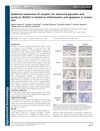
November 2015 in “Experimental Dermatology” Skin RAGE levels are linked to inflammation and cell death.
 27 citations
,
April 2017 in “British Journal of Dermatology”
27 citations
,
April 2017 in “British Journal of Dermatology” Hair loss involves immune responses, inflammation, and disrupted signaling pathways.
252 citations
,
November 1995 in “The EMBO Journal” Blocking EGFR in mice causes hair loss and skin changes.