 April 2025 in “Dermatology Practical & Conceptual”
 Biopsy is crucial for accurately diagnosing EPDS to avoid mistaking it for SCC.
June 2025 in “Preprints.org” EDA is vital for bone and cartilage formation and could help treat skeletal disorders.

A genetic mutation in the EDA gene causes hypohidrotic ectodermal dysplasia in cats.
July 2021 in “British Journal of Dermatology” The boy's genetic diagnosis of ectodermal dysplasia helped improve management and counseling for him and his sister.
 January 2023 in “Indian dermatology online journal”
 A child with ectodermal dysplasia-syndactyly syndrome has a new mutation in the NECTIN4 gene.
 June 2026 in “Scholarly review .”
 Endocrine-disrupting chemicals cause irreversible harm to children's development, increasing disease risk.
 4 citations
,
September 2024 in “BMC Oral Health”
4 citations
,
September 2024 in “BMC Oral Health” Children with Epidermolysis Bullosa need better access to specialized dental care.
3 citations
,
June 2004 in “Työväentutkimus Vuosikirja” Ectodermal dysplasia syndromes are caused by disruptions in key signaling pathways affecting tooth and hair development.
 35 citations
,
April 2014 in “American Journal of Medical Genetics”
35 citations
,
April 2014 in “American Journal of Medical Genetics” Boys with less severe EDA mutations in XLHED have milder symptoms and better sweat and hair production.
 13 citations
,
September 2019 in “Clinical, Cosmetic and Investigational Dermatology”
13 citations
,
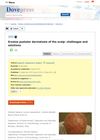
September 2019 in “Clinical, Cosmetic and Investigational Dermatology” Early treatment of EPDS can improve outcomes and reduce recurrence risk.
 39 citations
,
January 2015 in “Annals of dermatology/Annals of Dermatology”
39 citations
,
January 2015 in “Annals of dermatology/Annals of Dermatology” Three new types of a skin blistering disease were found, caused by specific gene mutations.
 39 citations
,
January 2016 in “PubMed”
39 citations
,
January 2016 in “PubMed” Understanding how EDC genes are regulated can help develop better drugs for skin diseases.
 February 2009 in “Journal of The American Academy of Dermatology”
 The document concludes that detailed clinical descriptions of seven family cases help understand dominant dystrophic epidermolysis bullosa's symptoms and inheritance.
 19 citations
,
June 2011 in “British Journal of Dermatology”
19 citations
,
June 2011 in “British Journal of Dermatology” Severe digestive issues in DRESS need early endoscopy for better treatment.
 October 2023 in “Pediatric dermatology”
 Middle Eastern patients with epidermolysis bullosa show specific genetic mutations linked to different types of the disease.
208 citations
,
November 2000 in “Development” Edar and Eda proteins are crucial for proper tooth development.
34 citations
,
July 2013 in “Clinical Cosmetic and Investigational Dermatology” Erosive pustular dermatosis is a rare skin disease that's hard to treat and affects the scalp or legs.
 3 citations
,
August 2024 in “Cureus”
3 citations
,
August 2024 in “Cureus” DALL-E 2 is only accurate for acne in pediatric dermatology and needs better data for other conditions.
249 citations
,
May 2003 in “Developmental Biology” Ectodysplasin-A1 is crucial for developing hair, teeth, and glands.
 April 2025 in “Dermatology Practical & Conceptual”
 Biopsy is crucial to accurately distinguish Erosive Pustular Dermatosis of the Scalp from Squamous Cell Carcinoma.

Individualized treatments may help manage Dercum's disease symptoms.
14 citations
,
April 2020 in “Journal of the American Academy of Dermatology” Viral reactivation is rare at the time of DRESS diagnosis in the U.S.
 39 citations
,
January 2012 in “Acta dermato-venereologica”
39 citations
,
January 2012 in “Acta dermato-venereologica” Early detection and stopping the drug are key to managing DRESS, and careful monitoring is important due to possible severe reactions.
10 citations
,
November 2017 in “Skin Appendage Disorders” Erosive pustular dermatosis in elderly people may be linked to aging immune systems and skin damage.
September 2021 in “CRC Press eBooks” Erosive pustular dermatosis of the scalp causes painful, scarring skin lesions on the scalp, mainly in elderly people with sun-damaged skin.
 37 citations
,
June 2002 in “The Laryngoscope”
37 citations
,
June 2002 in “The Laryngoscope” Ectodermal dysplasia causes various symptoms and early treatment is important for eye, dental, and skin issues.
 5 citations
,
September 2015 in “BMC Medical Genetics”
5 citations
,
September 2015 in “BMC Medical Genetics” The EDAR gene mutation leads to thinner and more deformed hair shafts.
March 2024 in “International journal of molecular sciences” Three specific genetic variants cause severe skin issues in children with EBS, highlighting the need for early genetic screening.
9 citations
,
March 2009 in “The journal of investigative dermatology/Journal of investigative dermatology” Ectodysplasin signaling is crucial for skin appendage development, requiring specific doses and durations.
 32 citations
,
April 2013 in “Anais Brasileiros de Dermatologia”
32 citations
,
April 2013 in “Anais Brasileiros de Dermatologia” The document concludes that inherited epidermolysis bullosa is a challenging genetic condition requiring multidisciplinary care and new treatments.