2 citations
,
May 2024 in “International Journal of Medical Arts” Diphenylcyclopropenone (DPCP) is more effective than anthralin for treating resistant alopecia areata.
1 citations
,
May 2024 in “Dermatology Online Journal” Scalp pemphigus vulgaris can be effectively treated with low-dose prednisone and triamcinolone.
10 citations
,
January 2013 in “International Journal of Trichology” Systemic steroids effectively treated severe nail issues in a card illusionist with alopecia areata.
7 citations
,
September 1962 in “Oral Surgery Oral Medicine Oral Pathology” Triamcinolone acetonide effectively treated black hairy tongue.
2 citations
,
February 2024 in “Indian Dermatology Online Journal” Tofacitinib effectively improved hair regrowth and skin condition in a woman with alopecia totalis and lichen planus hypertrophicus.
 37 citations
,
January 1980 in “PubMed”
37 citations
,
January 1980 in “PubMed” Hair lotions with 17 alpha-estradiol can reduce hair loss but won't regrow new hair.
June 2023 in “Journal of Paediatrics and Child Health” Early treatment of a rare scalp infection led to full recovery and hair regrowth.
November 2025 in “Journal of Investigative Dermatology” Estetrol may help prevent hair loss and support hair growth in women.
 9 citations
,
August 2018 in “Journal der Deutschen Dermatologischen Gesellschaft”
9 citations
,
August 2018 in “Journal der Deutschen Dermatologischen Gesellschaft” Most patients with frontal fibrosing alopecia are middle-aged women, often have thyroid disease, and some treatments can help stabilize the condition.
2 citations
,
October 1974 in “Archives of Dermatology” The woman's skin condition persisted for 20 years despite treatments.
July 2022 in “British Journal of Dermatology”  February 2024 in “Journal of dermatology”
 CGF therapy may help hair regrowth and improve scars in DLE patients.
February 2025 in “Actas Dermo-Sifiliográficas” Low-dose oral minoxidil can help improve hair and eyebrow growth in people with frontal fibrosing alopecia.
 January 2025 in “Revista del Centro Dermatológico Pascua”
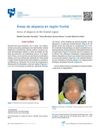
 Early diagnosis and treatment can help manage fibrosing alopecia in older women.
October 2024 in “International Journal of Pharmaceutics” Finasteride in lipid carriers improved hair growth in rats.
 May 2025 in “Journal of the Egyptian Womenʼs Dermatologic Society”
 Vitamin D3 is a safe and effective alternative to steroids for treating alopecia areata, with fewer side effects.
September 2015 in “Pediatrics in review” The baby's rash and hair loss were cured with zinc supplements and better skin care.
3 citations
,
August 2018 in “Medical Journal Armed Forces India/MJAFI” Intense Pulse Light effectively reduces hair growth in faun tail nevus.
 9 citations
,
February 2022 in “European Journal of Pharmaceutics and Biopharmaceutics”
9 citations
,
February 2022 in “European Journal of Pharmaceutics and Biopharmaceutics” A new treatment for hair loss uses tiny lipid carriers to deliver a mix of minoxidil and latanoprost directly to hair follicles, promoting hair growth and being well tolerated by the skin.
 12 citations
,
March 2013
12 citations
,
March 2013 Minoxidil cream can safely treat hair loss in kids with ectodermal dysplasia.
4 citations
,
September 2025 in “Journal of the American Academy of Dermatology” 20 citations
,
June 2019 in “Archives of dermatological research” Combining DPCP and anthralin helps regrow hair in some alopecia areata patients.
26 citations
,
October 2017 in “PubMed” Isotretinoin and acitretin may effectively stabilize the hairline in patients with frontal fibrosing alopecia.
 April 2021 in “Sohag Medical Journal”
 Superficial cryotherapy is effective and safe for treating alopecia areata, especially eyebrow hair loss.
June 2026 in “Clinical Case Reports” Topical minoxidil and tretinoin improved hair growth in a girl with EDSS1 over two years.
 April 2016 in “Journal of Investigative Dermatology”
 Phenylephrine may help prevent hair loss from pulling on the hair roots.
November 2010 in “International Journal of Dermatology and Venereology” EGFR inhibitors can cause skin issues, and managing these is important for treatment success.
 October 2007 in “Inpharma Weekly” 60 citations
,
October 2009 in “PubMed”
October 2007 in “Inpharma Weekly” 60 citations
,
October 2009 in “PubMed” Intralesional steroid injections are safe and effective for treating severe alopecia areata.
 68 citations
,
February 2015 in “Journal of the European Academy of Dermatology and Venereology”
68 citations
,
February 2015 in “Journal of the European Academy of Dermatology and Venereology” Early onset and pustules indicate severe hair follicle inflammation, and while antibiotics help, the condition often worsens after treatment stops.