 2 citations
,
March 2009 in “Hair transplant forum international”
2 citations
,
March 2009 in “Hair transplant forum international” Hair loss at the site where hair was taken for a transplant can be due to the normal hair growth cycle.
 January 2018 in “Springer eBooks”
 Telogen effluvium is hair loss caused by disruption of the normal hair cycle.
 12 citations
,
January 1984 in “Anesthesia & Analgesia”
12 citations
,
January 1984 in “Anesthesia & Analgesia” Anesthesia and surgery can cause temporary hair loss, but hair usually grows back without treatment.
 November 2021 in “CRC Press eBooks”
 Telogen effluvium is a common, temporary hair loss condition often affecting young women.
 23 citations
,
January 2021 in “Journal of Dermatological Science”
23 citations
,
January 2021 in “Journal of Dermatological Science” The document concludes that we need more research to understand Telogen Effluvium and find effective treatments.
 21 citations
,
January 1988 in “Critical Care Medicine”
21 citations
,
January 1988 in “Critical Care Medicine” Critically ill patients may experience temporary hair loss after a fever.
 13 citations
,
May 1993 in “International Journal of Dermatology”
13 citations
,
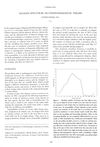
May 1993 in “International Journal of Dermatology” The paper suggests that telogen effluvium, a type of hair loss, may be a long-lasting condition triggered by stress or illness in people whose hair growth is unusually synchronized.
 November 2021 in “CRC Press eBooks”
 Anagen effluvium is a reversible condition causing sudden hair loss, often due to chemotherapy or head radiation.
January 2020 in “Hair therapy & transplantation” Telogen effluvium is a common hair loss where hair sheds due to stress but new hair still grows.
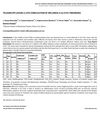
Hair loss can happen after severe H1N1 flu but usually grows back in 4 months.
August 2015 in “Europe PMC (PubMed Central)”  1 citations
,
June 2007 in “Journal of Oral and Maxillofacial Surgery”
1 citations
,
June 2007 in “Journal of Oral and Maxillofacial Surgery” A woman experienced temporary hair loss after jaw surgery due to the stress of the operation.
 November 2024 in “Huisarts en Wetenschap”
 Telogen effluvium hair loss often resolves on its own in 3 to 6 months, but see a dermatologist if it persists.
 November 2023 in “Italian journal of dermatology and venereology”
 Telogen effluvium is a common, often temporary hair loss caused by stress and other factors, and it's hard to pinpoint and treat.
 January 2018 in “The Egyptian Family Medicine Journal”
 Iron deficiency anemia is significantly linked to hair loss in childbearing women, and taking iron improves the condition.
 January 2023 in “Skin appendage disorders”
 Hair loss can occur in the area where hair was taken for a transplant.
 July 2018 in “Elsevier eBooks”
 Telogen Effluvium is a common, usually reversible hair loss condition, often improved by removing the trigger and possibly treated with various products, though their effectiveness is uncertain.
 March 2015 in “CRC Press eBooks”
 Telogen effluvium is a type of hair loss in women caused by many factors, and iron and thyroid tests are recommended for diagnosis.
 2 citations
,
December 1995 in “Pediatrics”
2 citations
,
December 1995 in “Pediatrics” Infant hair loss is usually temporary and grows back without treatment.
 April 2012 in “Informa Healthcare eBooks”
 Telogen effluvium is a common hair loss condition where many hairs enter the resting phase, often not noticeable until significant loss occurs, and treatment focuses on the underlying cause.
 34 citations
,
May 2013 in “Journal of the European Academy of Dermatology and Venereology”
34 citations
,
May 2013 in “Journal of the European Academy of Dermatology and Venereology” Hair growth slows and shedding increases after childbirth, but most women don't experience excessive hair loss.
 2 citations
,
September 2020 in “Dermatologic Surgery”
2 citations
,
September 2020 in “Dermatologic Surgery” Hair transplant surgery can cause temporary hair loss in the area where hair was taken from.
 1 citations
,
October 2013 in “A & A case reports”
1 citations
,
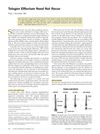
October 2013 in “A & A case reports” Hair loss from telogen effluvium may not happen again after another surgery.
 13 citations
,
May 2017 in “Dermatologica Sinica”
13 citations
,
May 2017 in “Dermatologica Sinica” Dengue fever can cause a temporary type of hair loss called telogen effluvium.
 3 citations
,
January 2021 in “Skin appendage disorders”
3 citations
,
January 2021 in “Skin appendage disorders” Hair loss can occur about 4 weeks after scalp surgery but usually grows back within 3 months without treatment.
 January 2017 in “Archives of Aesthetic Plastic Surgery”
 Hair care products with placental growth factor can improve hair thickness and density in postpartum hair loss.
 5 citations
,
February 2014 in “PubMed”
5 citations
,
February 2014 in “PubMed” Hair loss in Telogen effluvium is often chronic, linked to stress, and lacks a confirmed treatment, but topical corticosteroids may be used.
 March 2024 in “Buletin de psihiatrie integrativă (Print)”
 Hair loss from telogen effluvium can cause mental health issues and lower life quality, needing both medical and emotional support.
 August 2024 in “International Journal of Health Science”
 Telogen Effluvium (TE) significantly affects women due to stress and hormonal changes, requiring better public health policies and mental health support.
 August 2003 in “Journal of Investigative Dermatology Symposium Proceedings”
 The document did not provide enough information to summarize the causes of hair loss in pre- and postmenopausal women.