 August 2002 in “Dermatologic Surgery”
 Fluridil safely promotes hair growth in men with androgenetic alopecia.
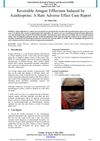 May 2025 in “International Journal of Science and Research (IJSR)”
 Stopping azathioprine led to full hair regrowth and recovery in 2.5 months.
 January 2016 in “International Journal of Research in Medical Sciences”
 Low iron, low thyroid function, and stress are linked to excessive hair shedding in women.
 July 2021 in “Al-Azhar Assiut Medical Journal”
 Low ferritin, vitamin D deficiency, and thyroid problems may contribute to hair loss in some hospital patients in Western Saudi Arabia.
 19 citations
,
January 2016 in “Dermatology Research and Practice”
19 citations
,
January 2016 in “Dermatology Research and Practice” The study concluded that hair loss in Indian women is not significantly linked to anemia or thyroid problems, but checking thyroid function could help those with ongoing hair loss.
 November 2022 in “Journal of Investigative Dermatology”
 COVID-19 patients with hair loss experienced greater cognitive deficits and more symptoms of depression, anxiety, and stress.
 February 2007 in “Independent Nurse”
 Different scalp conditions have distinct features and causes.
 August 2022 in “RECISATEC”
 Female pattern hair loss is common, often starts in the 30s or 40s, worsens after menopause, and can negatively affect quality of life.
 10 citations
,
January 2015 in “Journal of Dermatology and Dermatologic Surgery”
10 citations
,
January 2015 in “Journal of Dermatology and Dermatologic Surgery” Hair loss in adult females in Makkah is often linked to iron-deficiency anemia and thyroid issues.

GV-350 improves hair growth and quality of life in iron-deficient women without side effects.
 January 2026 in “Ciencia Latina Revista Científica Multidisciplinar”
 Exosomes helped regrow hair in a 14-year-old with difficult-to-treat alopecia.
 September 2025 in “PubMed”
 Hair miniaturization is the main cause of long-term hair loss after stem cell transplantation and chemotherapy, and treatments like topical minoxidil can help improve hair volume.
December 2025 in “ILDS-DEV”  October 2024 in “Experimental Dermatology”
 The belief about hair shedding phases is likely incorrect and needs reevaluation.
April 2026 in “Frontiers in Medicine” The 675-nm diode laser may safely help treat telogen effluvium.
 April 2023 in “Voprosy kurortologii fizioterapii i lechebnoĭ fizicheskoĭ kultury”
 COVID-19 may cause hair loss, often after recovery, with androgenetic alopecia being the most common type.
 October 2025 in “International Journal of Homoeopathic Sciences”
 Wiesbaden 30CH is more effective than supportive haircare for improving telogen effluvium.
 7 citations
,
February 2010 in “Journal of Dermatological Treatment”
7 citations
,
February 2010 in “Journal of Dermatological Treatment” Imiquimod cream can rarely cause temporary hair loss.
 17 citations
,
March 2006 in “Journal of Cosmetic Dermatology”
17 citations
,
March 2006 in “Journal of Cosmetic Dermatology” Hormonal changes during and after pregnancy can cause hair growth changes and hair loss, with treatments available for some conditions.
 6 citations
,
June 2011 in “Journal of The American Academy of Dermatology”
6 citations
,
June 2011 in “Journal of The American Academy of Dermatology” Iron deficiency might be linked to hair loss, but more research is needed.
 3 citations
,
April 2022 in “Clinical, Cosmetic and Investigational Dermatology”
3 citations
,
April 2022 in “Clinical, Cosmetic and Investigational Dermatology” Different methods, including stress management, healthy diet, supplements, and treatments like minoxidil, can help hair grow back after COVID-19 related hair loss.
 2 citations
,
February 2023 in “Vaccines”
2 citations
,
February 2023 in “Vaccines” Some people experienced hair loss after COVID-19 vaccination, but it's very rare and vaccines' benefits are greater than this risk.
 12 citations
,
July 2022 in “Journal of Cosmetic Dermatology”
12 citations
,
July 2022 in “Journal of Cosmetic Dermatology” COVID-19 patients may experience temporary hair loss, mainly in women, which is likely reversible.
 22 citations
,
April 2011 in “Anais Brasileiros de Dermatologia”
22 citations
,
April 2011 in “Anais Brasileiros de Dermatologia” Hair transplants can lead to hair loss from lichen planopilaris, and patients should be tested and wait two years before the procedure.
 4 citations
,
July 1996 in “Annals of Internal Medicine”
4 citations
,
July 1996 in “Annals of Internal Medicine” High doses of fluconazole can cause reversible hair loss.
56 citations
,
January 1970 in “Cell and Tissue Research” 
The man has Temporal Triangular Alopecia, a stable, non-scarring hair loss condition best treated with hair transplantation.
 January 2022 in “International Journal of Medicine in Developing Countries”
 Many patients with hair loss had low iron and vitamin D levels, but thyroid issues were not common.
 17 citations
,
August 2002 in “Dermatologic Surgery”
17 citations
,
August 2002 in “Dermatologic Surgery” Fluridil safely promotes hair growth in men with androgenetic alopecia.
 12 citations
,
February 2010 in “Journal of the European Academy of Dermatology and Venereology”
12 citations
,
February 2010 in “Journal of the European Academy of Dermatology and Venereology” Some people with chronic hair loss may have thyroid autoimmunity.